Metals Step Out of Downtrends
Key Takeaways
- •President Trump warned Iran against firing on ships in the Strait of Hormuz, through which approximately one-fifth of global oil supply transits daily.
- •Energy price shocks resulting from geopolitical disruptions can affect metals markets by influencing inflation expectations, production costs, and broader commodity risk sentiment.
- •Epstein suggests that nuclear negotiations between the United States and Iran could emerge by year-end, potentially driven by the economic costs borne by both sides.
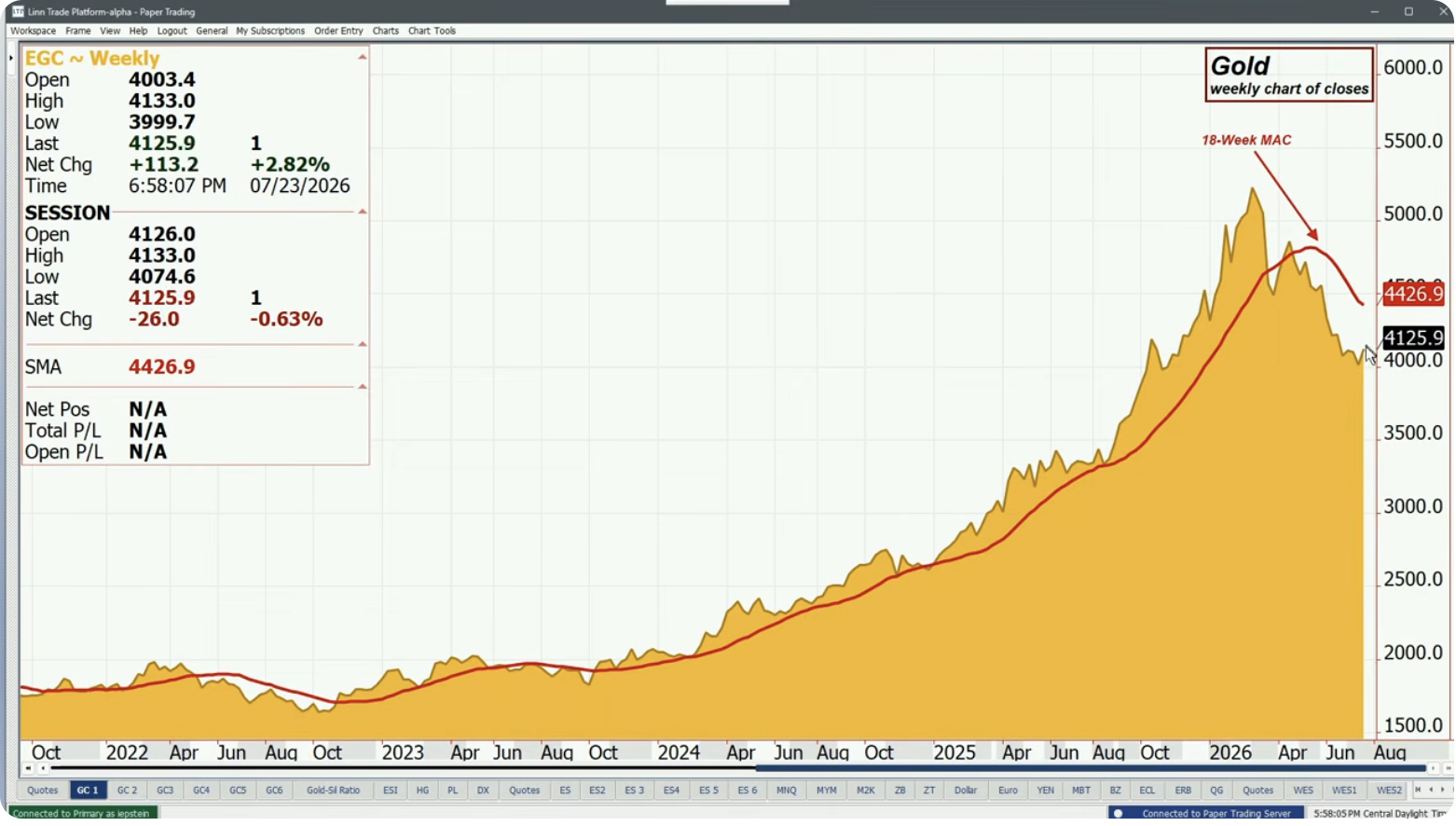
- •Metals prices appear to be breaking out of extended downtrends, a technical movement connected to the broader macroeconomic and geopolitical environment.
- •Upcoming US economic data releases, including Weekly Jobless Claims and the Chicago Fed National Activity Index for June, may influence metals pricing through their effect on interest rate and dollar expectations.
Metals Step Out of Downtrends
Ira Epstein
In his latest market commentary, Ira Epstein addresses the escalating geopolitical tensions between the United States and Iran, with a particular focus on President Donald Trump's warning to Iran against firing on ships in the Strait of Hormuz. The Strait of Hormuz is a narrow chokepoint at the mouth of the Persian Gulf through which roughly one-fifth of global oil supply transits, making it one of the most strategically important maritime corridors in the world.
Epstein discusses the potential for further military escalation between the two nations and the cascading economic implications, including upward pressure on oil prices that is already rippling through global markets. Historically, disruptions or threats to shipping in the Strait of Hormuz have caused sharp fluctuations in crude oil pricing, given the volume of energy exports that pass through the waterway daily. For metals traders, energy price shocks can matter because they feed into inflation expectations, production costs, and broader risk sentiment across commodities.
Beyond the immediate military and economic concerns, Epstein touches on the broader geopolitical landscape, including the prospect that negotiations on nuclear issues between the United States and Iran could emerge by the end of the year. He suggests that such a diplomatic opening could be driven by mutual economic pain—where the economic costs borne by both sides create an incentive to seek a negotiated resolution.
Epstein also notes upcoming U.S. economic data releases that market participants will be watching, including the Weekly Jobless Claims report and the Chicago Fed National Activity Index for June. These indicators provide insight into labor market conditions and broader economic activity, respectively, and are closely followed by traders and analysts for signals about the trajectory of the U.S. economy. Their relevance for metals lies in the way growth and labor data can influence expectations for interest rates, the U.S. dollar, and industrial demand.
The title of the commentary, "Metals Step Out of Downtrends," refers to the observed technical movement in metals markets, where prices appear to be breaking out of extended downward trends—a development Epstein connects to the broader macroeconomic and geopolitical environment he outlines. The key point for readers is that the metals move is being framed not in isolation, but against a backdrop of geopolitical risk, energy-market sensitivity, and incoming U.S. economic data.

