Malampaya Starts Gas Production From New Wells Under Nearly $1-Billion Phase 4 Project
Key Takeaways
- •The Malampaya East-1 and Camago-3 wells have delivered their first gas into the existing Malampaya production system under the nearly $1-billion Phase 4 development.
- •The two new wells are estimated to add 222 billion cubic feet of recoverable gas reserves, capable of generating roughly 31.46 billion kilowatt-hours of electricity, equivalent to the annual needs of about 13.11 million Filipino households.
- •Prime Energy projects that the additional reserves will extend Malampaya's productive life by approximately six years, with the timeline dependent on future gas offtake and sustainable production levels still to be determined.
- •The Phase 4 project was completed 27 months after the final investment decision, approximately five months ahead of schedule, and marked the Philippines' first offshore drilling campaign in more than a decade, drawing on contractors from 17 countries.
- •Domestic Malampaya gas has maintained a price advantage over imported spot LNG over the past decade, at times exceeding $4 per million British thermal units, potentially reducing the power sector's exposure to international fuel price fluctuations.
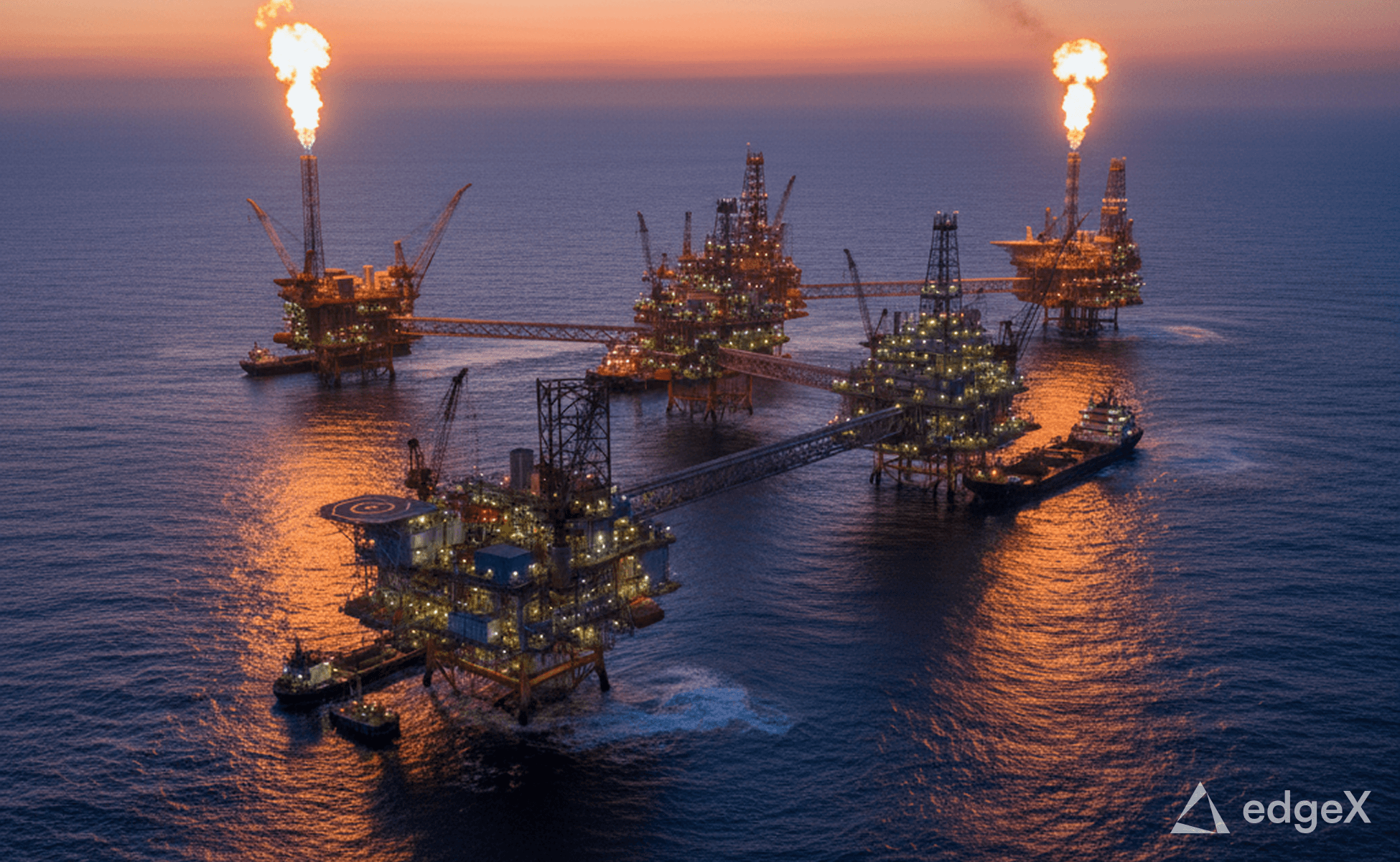
MANILA — The Malampaya gas field has begun delivering natural gas from two newly developed wells under its nearly $1-billion Phase 4 project, which its operator, Razon-led Prime Energy Resources Development B.V., expects to extend the field's productive life by approximately six years.
In a statement on Thursday, Prime Energy said the Malampaya East-1 and Camago-3 wells had successfully delivered their first gas into the existing Malampaya production system, marking a major milestone in efforts to sustain the country's indigenous natural gas supply.
The two wells are estimated to add 222 billion cubic feet of recoverable natural gas reserves, with the potential to generate approximately 31.46 billion kilowatt-hours of electricity — equivalent to the annual power requirements of about 13.11 million Filipino households. Based on initial well-test results, the additional reserves are expected to extend Malampaya's productive life by roughly six years, depending on future gas offtake, the company said.
Prime Energy added that integration and production ramp-up would continue over the coming months, with sustainable production levels to be determined as operating data become available — a detail to watch, since the company tied the projected six-year extension to future gas offtake.
President Ferdinand R. Marcos, Jr., joined by government officials and the Malampaya consortium, witnessed the ceremonial first flow of gas at the Malampaya Onshore Gas Plant in Batangas City on Thursday.
“From offshore Palawan, this indigenous natural gas will flow through the Malampaya gas transmission infrastructure to Batangas, and ultimately to the gas-fired power plants serving the Luzon grid,” Mr. Marcos said.
The Malampaya Deep Water Gas-to-Power Project supplies natural gas to power plants in Batangas that have historically supported approximately one-fifth of Luzon's electricity requirements — a reliance that gives the new supply weight beyond a single project, since it bears on how long a sizable share of the grid's generation can run on domestic gas rather than imports.
Delivered ahead of schedule
The Phase 4 development involved drilling two deepwater wells and installing subsea infrastructure to connect them to the existing Malampaya production platform. Prime Energy said the project was completed 27 months after the final investment decision, approximately five months ahead of its original schedule.
The campaign also marked the Philippines' first offshore drilling effort in more than a decade, drawing on contractors and suppliers from 17 countries.
Prime Infrastructure Capital, Inc. Chairman Enrique K. Razon, Jr. said Malampaya has contributed more than $14 billion in revenues to the Philippine government since production began in 2001.
“For 25 years, Malampaya has demonstrated the value of developing our own energy resources. It has powered millions of Filipino households and businesses, supported economic growth, and generated more than $14 billion in government revenues. But Malampaya's resources are finite. Sustaining production requires continued investment and the technical expertise to develop reserves that are increasingly challenging to access. That is what Malampaya Phase 4 represents,” he said.
Price advantage
Prime Energy said the additional indigenous gas supply could help reduce the power sector's exposure to fluctuations in international fuel prices. It noted that domestic Malampaya gas has maintained a price advantage over imported spot liquefied natural gas over the past decade, with the difference exceeding $4 per million British thermal units at various points — a spread that frames the trade-off between indigenous supply and imported spot cargoes for the power sector.
The company cautioned, however, that electricity rates remain subject to factors including generation costs, plant operations, market conditions, and applicable supply agreements.
The Malampaya project is operated under Service Contract No. 38 by a consortium comprising Prime Energy, Prime Oil & Gas, Inc., UC38 LLC, and state-owned PNOC Exploration Corp. Prime Energy and its affiliates hold a combined 90% operating interest in the project.
The government renewed Service Contract No. 38 in 2023 for another 15 years, extending its validity until 2039 and allowing the consortium to pursue further exploration and development activities.
— Sheldeen Joy Talavera
Source: BusinessWorld

