Maersk Suspends Buenaventura Port Operations After Colombia Earthquake
Key Takeaways
- •Maersk suspended all terminal operations at the Port of Buenaventura after an earthquake struck Colombia beginning August 11, 2026.
- •The Luna Maersk was unable to complete its cargo operations at Buenaventura, while the Gudrun Maersk cancelled its scheduled call entirely.
- •Cargo from both affected vessels will be rescheduled or rerouted to the next available sailings, according to Maersk.
- •Buenaventura is Colombia's largest Pacific port, handling a substantial share of the country's containerised cargo including coffee, sugar, and industrial goods.
- •The duration of the operational suspension depends on the outcome of ongoing structural assessments of terminal facilities, cranes, and berth infrastructure.
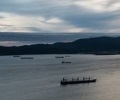
Maersk has temporarily suspended terminal operations at the Port of Buenaventura in Colombia following an earthquake that has affected multiple regions of the country since Monday, 11 August 2026.
Vessel operations, cargo handling, and service schedules at the port have all been impacted, the Danish shipping giant confirmed. Facility and infrastructure assessments are currently underway, and the full extent of the disruption remains under evaluation.
Logistics operations in other parts of Colombia have also experienced disruptions as a result of the seismic event.
In Buenaventura, the container vessel Luna Maersk was unable to complete its planned cargo operations. Containers that were not discharged or loaded will be rescheduled onto the next available vessel, the company stated.
Additionally, the Gudrun Maersk has cancelled its scheduled call at Buenaventura. Cargo that had been planned for that vessel will be rerouted to the next available sailing, Maersk said.
Buenaventura, located on Colombia's Pacific coast, is the country's largest Pacific port and a key logistics hub for international trade, handling a substantial share of the country's containerised cargo and serving as a critical gateway for both imports and exports of commodities such as coffee, sugar, and industrial goods. Its disruption can ripple through regional supply chains, particularly for Latin American trade lanes where alternative routing options are limited. Colombia's other major maritime gateway, the Port of Cartagena on the Caribbean coast, may absorb some rerouted cargo, though capacity and scheduling constraints could complicate diversion efforts.
The port also serves as a bunker location, with Very Low Sulphur Fuel Oil (VLSFO) and Low Sulphur Marine Gas Oil (LSMGO) available. High Sulphur Fuel Oil (HSFO) is additionally offered by at least one supplier at the port, according to a source cited by ENGINE.
Colombia sits along the seismically active Pacific Ring of Fire, where the Nazca, South American, and Caribbean tectonic plates converge, making earthquakes a recurring risk for infrastructure along the country's Pacific coast. The duration of Maersk's operational suspension will depend on the outcome of ongoing structural assessments of terminal facilities, cranes, and berth infrastructure.
Source: By Gautamee Hazarika, ENGINE —

