Machado Backs U.S. Role in Venezuelan Oil but Questions Authority Behind Sweeping Deal
Key Takeaways
- •María Corina Machado backs a long-term U.S. role in Venezuela's oil sector but questions acting President Delcy Rodríguez's authority to sign the announced agreement.
- •The announced deal covers roughly 65 billion barrels of crude across 17 oilfields over 25 years, targeting 1.5 million barrels per day, but the full contract has not been released publicly.
- •Venezuela currently produces about 1.25 million bpd, down from over 3 million bpd before nationalizations and underinvestment damaged PDVSA.
- •Foreign investors face multibillion-dollar outstanding claims, including roughly $10-12 billion owed to ConocoPhillips from Venezuela's 2007 nationalizations.
- •Machado argues development should rest on publicly approved rules and competitive bidding so contracts survive future changes in government.
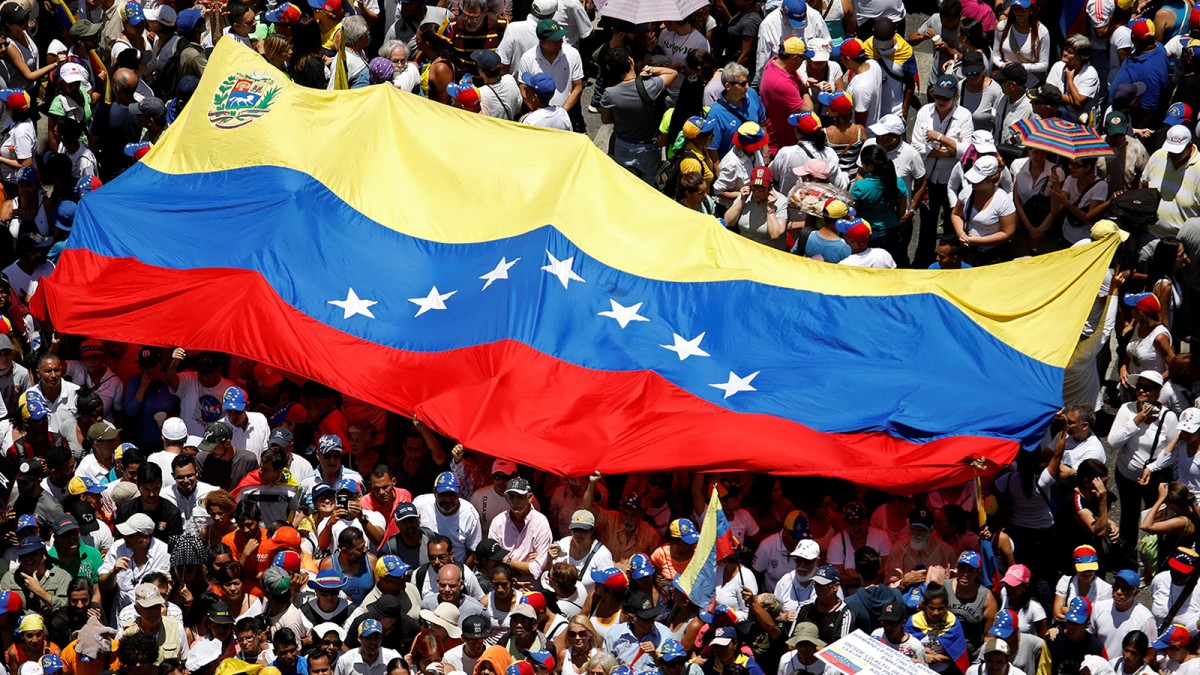
Venezuelan opposition leader María Corina Machado is supporting a long-term U.S. role in developing the country's oil reserves, while questioning who holds the authority to sign the sweeping agreement announced by acting President Delcy Rodríguez.
Machado said Thursday that the scope of the agreement remains unclear, including who is signing it, who will finance it, what guarantees investors would receive, and how Venezuelans would benefit. These are significant unanswered questions for a deal covering roughly 65 billion barrels of Venezuelan crude. Machado, who was barred from holding office by Venezuelan authorities and led the opposition's 2024 election effort around a candidate she backed, has long argued that the country's crisis requires a democratic transition backed by broad international support.
She called for a "strong, mutually beneficial partnership" between Venezuela and the United States and promoted a development model built around publicly approved rules and competitive bidding. Her criticism focused on Rodríguez's authority and the process used to negotiate the agreement. Rodríguez, who serves as vice president in the government of Nicolás Maduro, was named acting president in an announcement earlier this month—another reason the durability of her signature is in question.
The Trump administration and Caracas announced the agreement last week. Rodríguez has described a 25-year arrangement involving 17 oilfields and a production target of 1.5 million barrels per day. The full contract has not been released publicly.
Venezuela currently produces about 1.25 million bpd despite holding the world's largest proven crude reserves. Output has collapsed from levels above 3 million bpd in the late 1990s and early 2000s, before nationalizations and underinvestment took their toll on state oil company PDVSA. Much of Venezuela's output is extra-heavy Orinoco crude that requires diluent, upgraded infrastructure, and extensive drilling and workovers before production can rise substantially. Years of underinvestment have also left pipelines, power systems, and production facilities in poor condition. U.S. sanctions on Venezuela's oil sector, tightened and loosened in cycles by successive administrations, have further shaped which companies can legally operate there and on what terms.
Foreign oil companies face another issue before committing large sums. ExxonMobil and ConocoPhillips still hold multibillion-dollar claims stemming from Venezuela's 2007 nationalizations, with ConocoPhillips alone owed roughly $10 billion to $12 billion. Venezuela also still owes billions on defaulted bonds and nationalization claims. Any company investing new money in the country's oil fields will want to know where it stands in that long line of creditors—and whether a contract signed today will retain its value under a future government.
Machado's position adds a further dimension. She wants U.S. capital and expertise in Venezuela's oil industry and is not calling for the agreement to be abandoned. Instead, she argues that future development should rest on rules capable of surviving a change in government. That argument echoes a central lesson of Venezuela's recent oil history: contracts awarded through opaque, politically negotiated processes in the 2000s were later rewritten or voided when governments changed.
For producers considering billions of dollars in Venezuelan fields, that distinction is hardly academic: a 25-year oil project only works if the contract outlasts the people who signed it.
By Julianne Geiger for Oilprice.com
