Protests in Libya Threaten Oil and Gas Supply as Mellitah Complex Comes Under Pressure
Key Takeaways
- •Protests in Tripoli began over frequent power outages and high electricity rates and have targeted the Government of National Unity led by Abdul Hamid Dbeibah.
- •Demonstrators entered the Mellitah Oil and Gas complex and reportedly sought to stop natural gas exports to Italy.
- •As of Tuesday morning, it was not clear whether protesters had disrupted any gas or oil supply.
- •Any interruption at Mellitah could slow Libya’s recent oil and gas recovery after years of civil war.
- •Further disruption in Libya could add pressure to global energy markets already affected by supply losses from the Middle East.
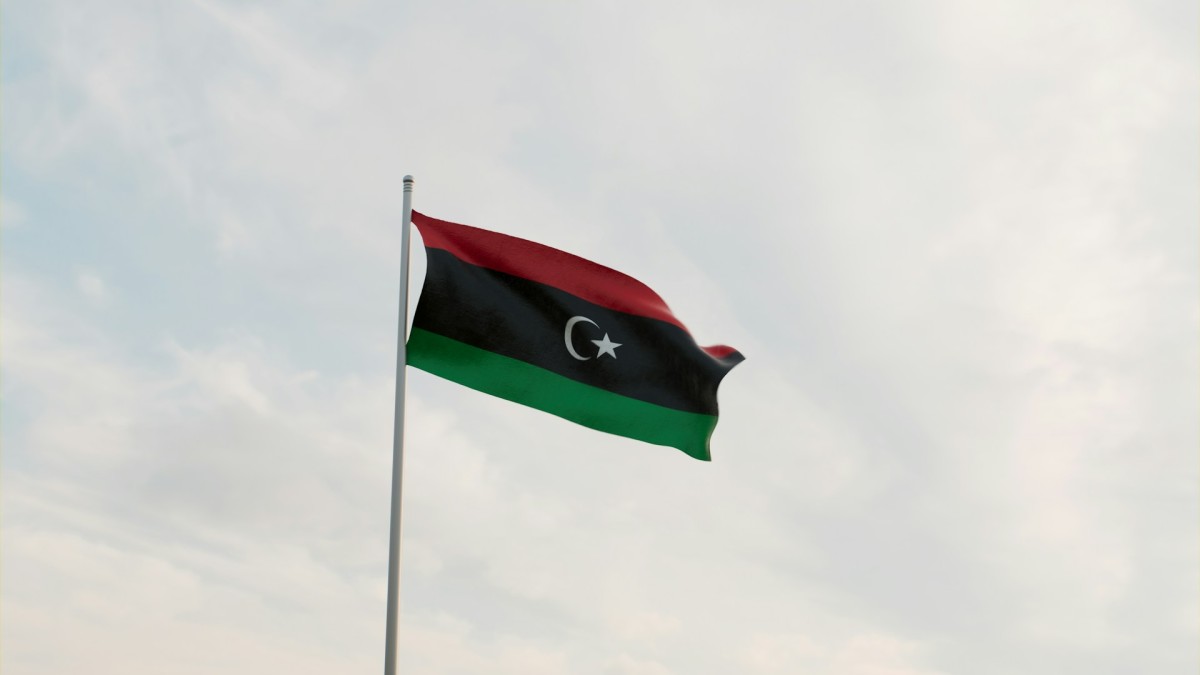
Anti-government protests in Libya over power cuts and high electricity bills escalated on Tuesday, when protesters entered the Mellitah Oil and Gas complex and threatened to halt gas and fuel supplies for domestic and international markets.
Tripoli, Libya’s capital, has been the main center of demonstrations against the Government of National Unity led by Abdul Hamid Dbeibah. Earlier this week, protesters blocked streets and roads leading out of the capital in response to frequent and widespread power cuts and high electricity rates.
The unrest has now spread to the Mellitah gas processing plant, where protesters are reportedly trying to stop natural gas exports to Italy through a pipeline as a way to address Libya’s gas and power shortages. According to sources among the protesters quoted by Middle East Online on Tuesday, the demonstrations are expanding to the Mellitah Oil and Gas complex with the aim of halting gas exports to Italy and increasing economic pressure on the Government of National Unity in an effort to force its resignation. The Mellitah site matters because it is part of Libya’s wider oil and gas export network, so any disruption there can quickly become more than a local protest issue.
As of Tuesday morning local time, it was not clear whether protesters had succeeded in disrupting any gas or oil supply.
Any further escalation, and any potential suspension of oil and gas activity, would be a significant setback for Libya’s hydrocarbon recovery, which had only recently begun to gather pace under relatively more stable conditions after years of civil war. That recovery has depended on keeping fields, pipelines and export terminals operating despite periodic political unrest, making the situation at Mellitah a test of how resilient those energy flows are under domestic pressure.
Earlier this month, Libya’s National Oil Corporation, or NOC, and Austrian energy company OMV declared the Essar oil discovery commercially viable, as the OPEC member and Africa’s second-largest oil producer seeks to revive its industry through partnerships with international oil majors.
Fresh interruptions to Libya’s oil and gas recovery would also add pressure to global energy markets, which have already been dealing with the loss of crude, refined fuels and LNG supply from the Middle East. For buyers and shipping-linked suppliers watching North African output, the key near-term issue is whether protests remain confined to access disruptions in Tripoli or spill further into production and export operations.
By Charles Kennedy for Oilprice.com

