Libya Targets 2 Million Bpd Oil Production by Early 2030s as Funding Restored
Key Takeaways
- •Libya's National Oil Corporation targets production of 2 million barrels per day by early next decade, up from approximately 1.4 million bpd currently.
- •A US-assisted 2026 unified budget provides NOC with over $2 billion in operating funds after the company received zero funding under the 2025 budget.
- •NOC has signed exploration and production-sharing agreements from its 2025 bid round with international companies including Repsol, Eni, QatarEnergy, Turkish Petroleum, and MOL, marking Libya's first major licensing push in 17 years.
- •NOC and Austria's OMV declared the Essar oil discovery commercially viable in July, advancing Libya's industry revival alongside major oil companies.
- •Libya holds Africa's largest proven oil reserves at roughly 48 billion barrels and remains exempt from OPEC+ production quotas, allowing unconstrained pursuit of output growth.
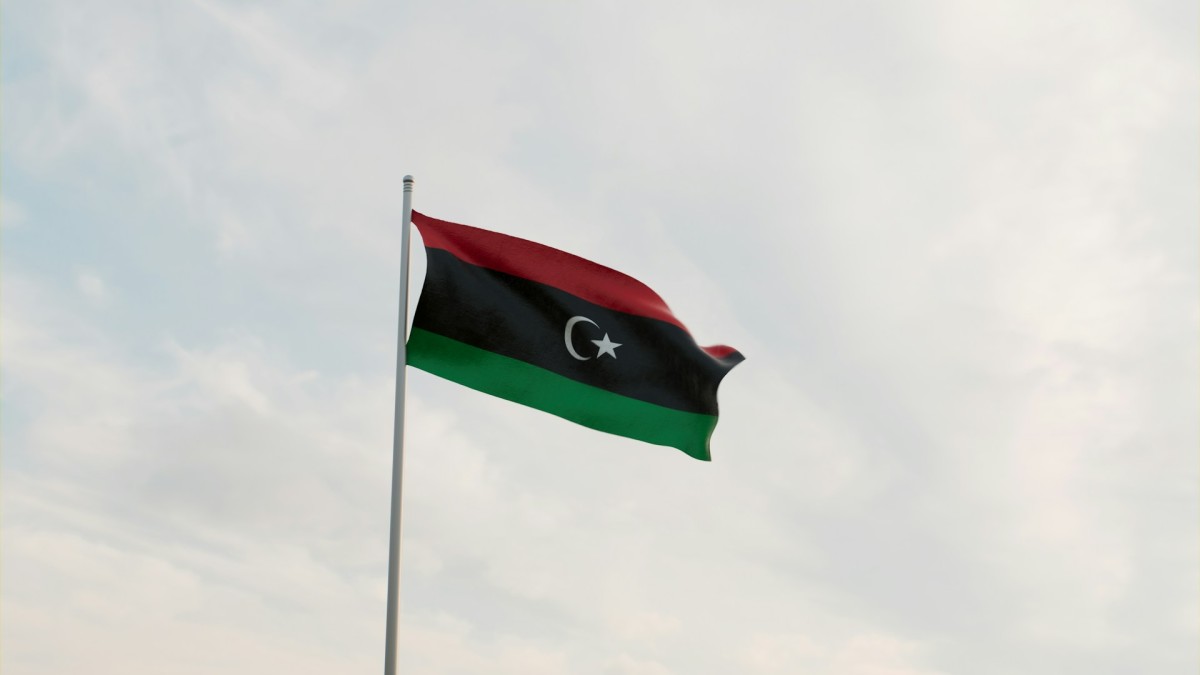
Libya's National Oil Corporation (NOC) is confident the country can raise oil production to 2 million barrels per day (bpd) by early next decade, up from approximately 1.4 million bpd currently, NOC Chairman Masoud Suleman told Bloomberg in an interview published on Friday.
A 2026 unified budget for Libya, brokered with the assistance of the United States, provides the NOC with what Suleman described as a "lifeline" of more than $2 billion (13 billion Libyan dinars) in operating funds. The national oil company received no funding at all under the 2025 budget. The funding gap reflected years of institutional paralysis stemming from Libya's division between rival administrations in the east and west, which repeatedly delayed budget approvals and disrupted state operations.
"The era of delayed funding, which used to cause problems and concerns, both for us and our partners, is now behind us," Suleman said during the interview in Tripoli.
The restored budget allocations and payments have strengthened NOC's confidence in attracting investment to Libya's oil and gas sector. Interest has grown as numerous international oil and gas companies have returned to the country, resuming operations and partnerships. Libya holds the largest proven oil reserves in Africa, at roughly 48 billion barrels, and as OPEC's second-largest African producer it remains exempt from OPEC+ production quotas due to its political circumstances — a status that gives it latitude to pursue output growth unconstrained by the cuts applied to other members.
In July, NOC and Austrian energy firm OMV declared the Essar oil discovery commercially viable, as OPEC's second-largest African producer pushes to revive its industry in collaboration with major oil companies.
Following years of civil war and political turmoil, Libya and its national oil company have launched a campaign to bring major international oil firms back to the country's upstream sector, holding the first oil tendering rounds in nearly two decades.
Last year, Libya held its first bid round for oil and gas exploration in 18 years. The previous round took place in 2007, four years before the toppling of Muammar Gaddafi in 2011 — an event that plunged the country into protracted civil conflict, with competing factions and tribal interests vying for control of key institutions and major oilfields. Reaching 2 million bpd would exceed Libya's pre-conflict production levels, which peaked at roughly 1.6–1.7 million bpd before the 2011 uprising.
Earlier this year, NOC formally signed exploration and production-sharing agreements from its 2025 bid round with international companies including Repsol, Turkish Petroleum, Eni, QatarEnergy, and MOL, marking the country's first major licensing push in 17 years.
By Charles Kennedy for Oilprice.com

