Kuwait and Saudi Arabia Plan Major Output Increase at Shared Wafra Oilfield
Key Takeaways
- •Kuwait and Saudi Arabia plan to increase Wafra's crude production capacity to between 300,000 and 350,000 barrels per day over the next five years.
- •The Wafra oilfield holds an estimated 25 billion barrels of proven reserves and currently produces between 150,000 and 250,000 barrels per day.
- •A bilateral committee reviewed expansion plans and the fiscal year 2027 budget during a virtual meeting focused on removing obstacles and deploying advanced technologies.
- •Onshore operations at Wafra are managed by Wafra Joint Operations, a 50-50 venture between Kuwait Gulf Oil Company and Saudi Arabian Chevron.
- •Production at the field was suspended for several years before Saudi Arabia and Kuwait resolved a dispute and restarted output in 2020.
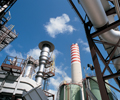
Kuwait and Saudi Arabia Plan Major Output Increase at Shared Wafra Oilfield
Kuwait and Saudi Arabia have agreed to deploy cutting-edge technologies to develop the Wafra oilfield, a major onshore deposit located within the Partitioned Neutral Zone — a jointly administered border area between the two countries established in the 1920s and later divided for oil governance purposes.
A bilateral committee created approximately five decades ago to oversee petroleum operations in the Neutral Zone discussed expansion plans for Wafra during a virtual meeting held last week. According to a statement from the Kuwaiti oil ministry, the discussions centered on the field's current operations as well as upcoming development projects.
"The meeting, which lasted several hours, covered obstacles that may hinder the implementation of the plans, in addition to the use of modern and advanced technologies in developing operations," the ministry statement said.
Sheikh Nimr Al-Sabah, Undersecretary of the Kuwaiti oil ministry, confirmed after the talks that the planned initiatives include scaling up Wafra's operations and developing additional deposits within the field.
"We reviewed the budget for fiscal year 2027 as part of efforts to enhance the efficiency of joint work and support the sustainability of petroleum operations," Sheikh Al-Sabah added.
While the undersecretary did not disclose specific development details, Kuwait's Arabic-language daily Al-Seyassah, citing informed oil sector sources, reported that the project aims to raise Wafra's crude production capacity to between 300,000 and 350,000 barrels per day (bpd) over the next five years.
Wafra is estimated to hold nearly 25 billion barrels of proven oil reserves. Since Saudi Arabia and Kuwait resolved a prolonged dispute over production rights and restarted output at the field in 2020, Wafra has produced between 150,000 and 250,000 bpd. Al-Seyassah reported that Kuwait's current share of the field's output stands at approximately 75,000 bpd.
The Neutral Zone, also known as the Divided Zone, was historically a unique arrangement in global oil governance, with both nations sharing equally in its hydrocarbon revenues. Onshore operations at Wafra are managed through Wafra Joint Operations, a 50-50 venture between Kuwait Gulf Oil Company and Saudi Arabian Chevron, a subsidiary of Chevron Corporation. Neutral Zone production carries no separate OPEC quota; output is split equally between the two countries and counts toward their respective national allotments under OPEC+ supply agreements. Production at Wafra and other shared fields was suspended for several years before the 2020 agreement restored cooperation.
Saudi Arabia and Kuwait — both founding members of OPEC and among the world's largest oil producers — also jointly manage the offshore Durra (Arash) gas field located within the same maritime boundary area. That field has been the subject of separate regional discussions involving Iran, which claims a portion of the deposit.
Source: Zawya Projects

