Gulf Producers Find Workarounds as Hormuz Tensions Persist
Key Takeaways
- •Kuwait's crude exports have recovered to around 1 million bpd, about two-thirds of the 1.6 million bpd shipped through the Strait of Hormuz before the Iran war.
- •KPC has increased shipments partly by using ship-to-ship transfers of cargoes outside the Strait of Hormuz.
- •Buyers receiving crude delivered outside Hormuz will pay more, while those loading inside the Persian Gulf will receive discounts.
- •Total flows out of Hormuz are currently estimated at about 10 million bpd, comprising 9 million bpd of crude and the remainder fuels.
- •Kuwait's August crude exports were still 36% below the pre-war baseline of January and February 2026, according to TankerTrackers.com data.
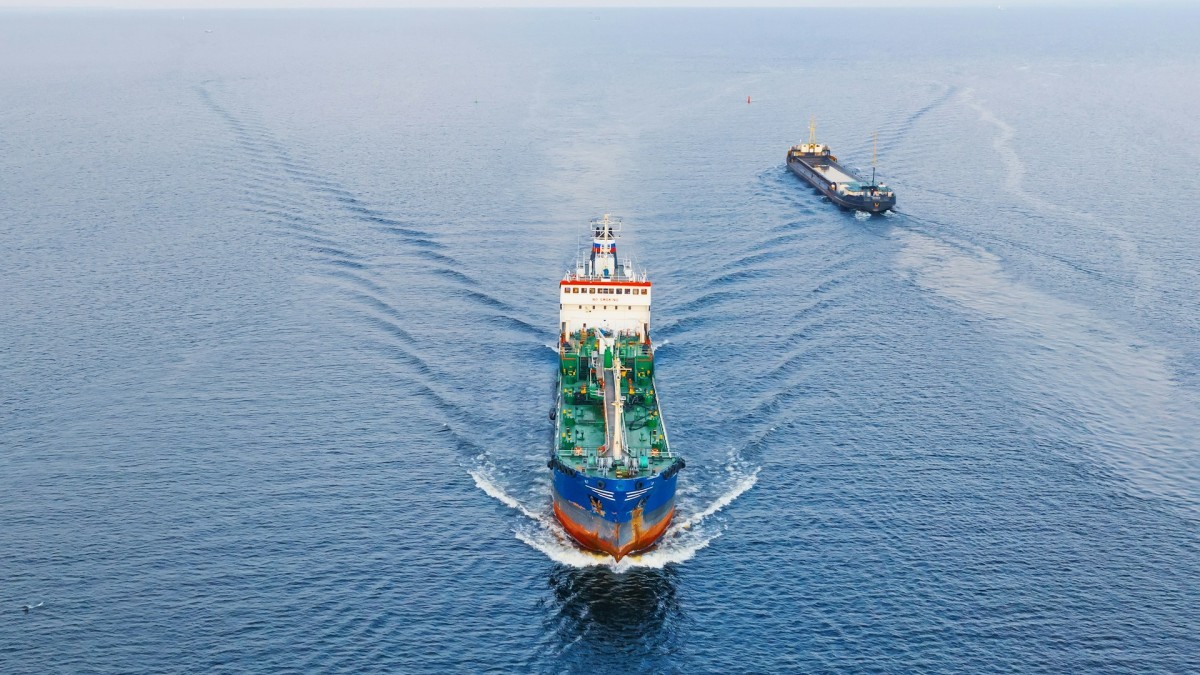
Kuwait's crude oil exports have rebounded to approximately 1 million barrels per day (bpd), recovering to two-thirds of the 1.6 million bpd shipped through the Strait of Hormuz before the Iran war, according to a senior official at state-owned Kuwait Petroleum Corporation (KPC).
The Strait of Hormuz, the narrow chokepoint between Oman and Iran, is one of the world's most important oil transit routes, historically carrying roughly a fifth of globally traded petroleum liquids, so sustained disruption there affects seaborne crude supply well beyond the Gulf itself.
Kuwait has managed to ramp up its crude oil shipments in recent weeks, including through ship-to-ship (STS) transfers outside the Strait of Hormuz, Shaikh Khaled Ahmad Al Sabah, managing director for international marketing at KPC, said on Tuesday at the Asia Pacific Petroleum Conference in Singapore.
"We can supply all of our customers but some volumes are not the same as before," Shaikh Khaled told the conference, as carried by Bloomberg.
Buyers will have to pay more for KPC to deliver crude outside Hormuz, in order to compensate for the risks of transiting the chokepoint, the official said. Buyers prepared to load cargoes inside the Persian Gulf, on the other hand, will receive discounts on the price of oil, Shaikh Khaled said. The pricing split effectively shifts part of the transit risk onto customers deciding where to take delivery.
Kuwait and other Gulf producers have managed in recent weeks to raise their exports out of the Strait of Hormuz, including by shuttling cargoes just outside the Strait and then transferring the oil onto other vessels.
Total daily flows out of Hormuz are currently estimated at about 10 million bpd, of which 9 million bpd are crude and the rest is fuels.
As of the end of August, Qatar and Kuwait were estimated to have boosted their crude oil exports from the Strait of Hormuz to 70% of pre-war levels, following the United Arab Emirates in shuttling oil through the chokepoint and using ship-to-ship transfers in the Gulf of Oman.
Kuwait's crude oil exports in August were 36% below the immediate pre-war baseline of January and February 2026, data from TankerTrackers.com showed last week. Kuwait is among the Gulf producers that have recovered the most of the lost shipments. How quickly the remaining gap closes will depend on continued access to the STS workarounds and conditions at the chokepoint itself.
By Tsvetana Paraskova for Oilprice.com.
