Krugman says Trump’s gas-price promises remain unfulfilled amid new energy blame game
Key Takeaways
- •Trump campaigned on a promise to cut fuel prices by 50 percent within 12 months of taking office, but 18 months into his term prices remain higher, according to Krugman.
- •Politifact found Trump had not brought gas prices below $2 a gallon even halfway through his first year, despite his claims of success.
- •Trump's latest proposal involves taking oil from Venezuela, which CNN reported is unlikely to work and could take a decade or more to have any meaningful effect.
- •Treasury Secretary Scott Bessent has blamed Ukrainian attacks on Russian oil facilities for pushing prices higher, a claim Krugman says omits why Ukraine targets that infrastructure.
- •Krugman argued that neither Trump nor Bessent can actually change Ukraine's war strategy, saying they are 'not in a good position' and 'don't have the cards.'
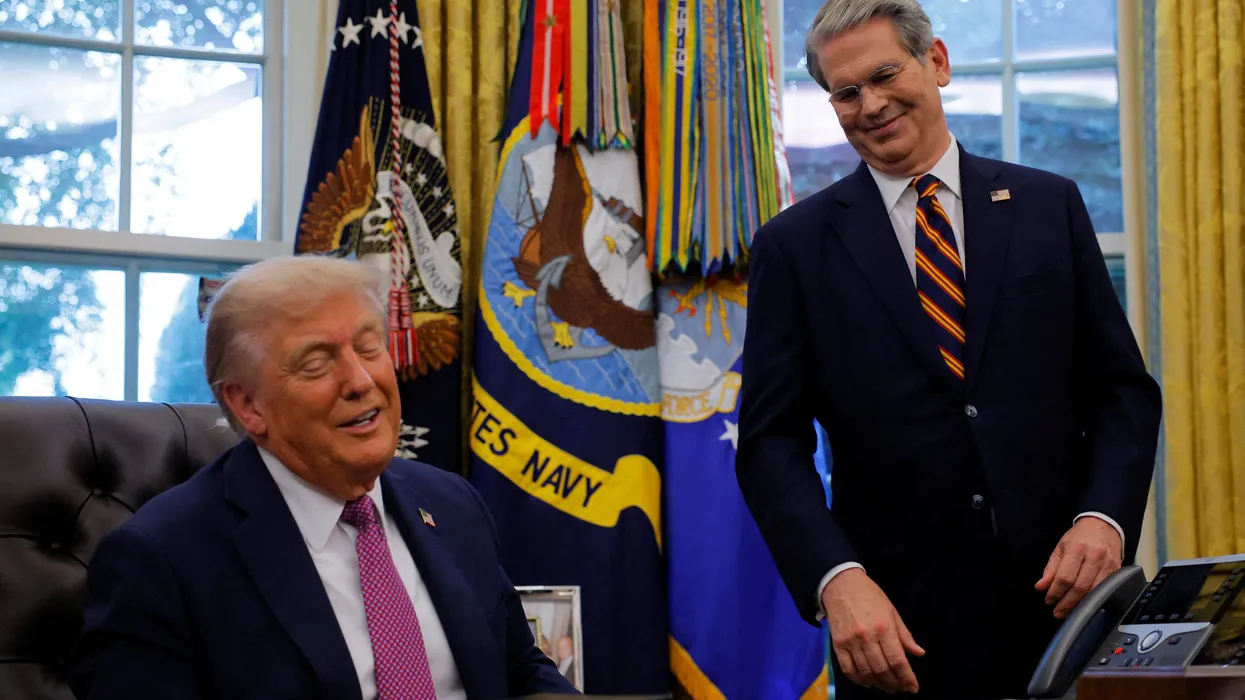
Nobel Prize-winning economist Paul Krugman wrote in his Thursday column that President Donald Trump promised lower fuel prices during his 2024 campaign, but 18 months into his term, he has still not delivered them. Krugman said conditions are now worse.
Trump campaigned on a pledge to cut fuel prices by 50 percent within 12 months of taking office. He also argued that if the United States simply increased drilling, more goods would become cheaper. Krugman said that misunderstanding of the global petroleum market has continued into Trump’s second term. U.S. gasoline prices are largely shaped by global crude oil benchmarks and refining capacity rather than by domestic drilling volumes alone, a dynamic economists have long cited when explaining why presidents of both parties have limited direct control over pump prices. Trump is now framing high gas prices as a cost Americans should accept in the name of freedom.
“For you to pay a tiny little bit more for your gasoline, just remember you’re doing it so that a very evil country cannot have a [nuclear weapon],” Trump said last month at a rally on Long Island. “So, remember that when you have to pay a little bit more, you’re at $4. It’s OK. I’ll never apologize; I did the right thing.”
Politifact said that even halfway through Trump’s first year, he had not been able to bring gas prices below $2 a gallon. The fact-checking outlet noted that Trump first tried to claim success in lowering gas prices, but “it wasn’t true in April, and it wasn’t true in early July.” That reporting came before the war with Iran began.
Trump’s latest plan, according to the report, involves taking oil from Venezuela. CNN reported that the idea is not expected to work and that it could take a decade or more before Americans see any meaningful effect.
Krugman said Trump is now trying to avoid responsibility for his actions on Iran and instead blame Ukraine.
He pointed to Treasury Secretary Scott Bessent, who has also spent recent days shifting blame for the energy shock. While appearing on “Fox & Friends,” Bessent said Ukrainian attacks on Russian oil facilities were reducing global refining capacity and pushing prices higher. Krugman said some of those strikes may be affecting supply, especially diesel, which has risen more than crude oil. But he said Bessent omitted the reason Kyiv is targeting Russian oil infrastructure: Ukraine is fighting a long war against Russia and is trying to weaken the military and economic base of Vladimir Putin’s invasion. Ukraine’s drone and missile strikes on Russian refineries and export terminals have been a documented feature of its war strategy, aimed at cutting revenue flowing to Moscow’s war effort.
Krugman also blamed the Trump administration for undermining Ukraine, a U.S. ally, while refusing to offer realistic alternative fuels. He said that early in Trump’s second administration, Bessent traveled to Kyiv and demanded a large share of Ukraine’s future rare earth mineral revenues in exchange for little security guarantee or aid.
Krugman described the proposal as a colonial-style resource extraction arrangement. He also cited details attributed to Maggie Haberman and Jonathan Swan’s book, Regime Change, saying Bessent spoke harshly about Ukrainian President Volodymyr Zelenskyy in private.
“I’ve dealt with this little f——,” Bessent would say to associates about President Volodymyr Zelenskyy. “He’s tricky. He’s like the special-needs child for the Europeans. And he’s acting like Mr. Bean on crack.”
Krugman also referred to the Oval Office meeting in which Trump told Zelenskyy, “You’re not in a good position. You don’t have the cards right now.” Krugman said the same line now appears to apply to Trump.
“So while I’m sure that Bessent and Trump wish that Ukraine would stop blowing up Russian energy assets — they would demand that Ukraine stop, if they could — they can’t, in practice, do anything to change Ukraine’s war strategy,” Krugman wrote. “To put it bluntly, they’re not in a good position. They don’t have the cards.”
