Japan's Eneos Purchases Rare Canadian Crude Cargo as Diversification from Middle East Accelerates
Key Takeaways
- •Eneos purchased a 750,000-barrel cargo of Canadian crude from Exxon, marking the first Japanese acquisition of Canadian oil since 2025.
- •The expanded Trans Mountain pipeline, operational at increased capacity since 2024, has given Alberta producers direct access to Pacific Basin buyers for the first time.
- •Japan previously sourced over 90% of its crude oil from the Middle East and is now actively pursuing alternative suppliers including Canada, the United States, and Russia.
- •Approximately 77% of Vancouver's total oil exports have been directed to Asia in 2025, a significant increase from 51% in 2024.
- •Trans Mountain Corp. is evaluating a further capacity expansion that could raise pipeline throughput to as much as 1.2 million barrels per day.
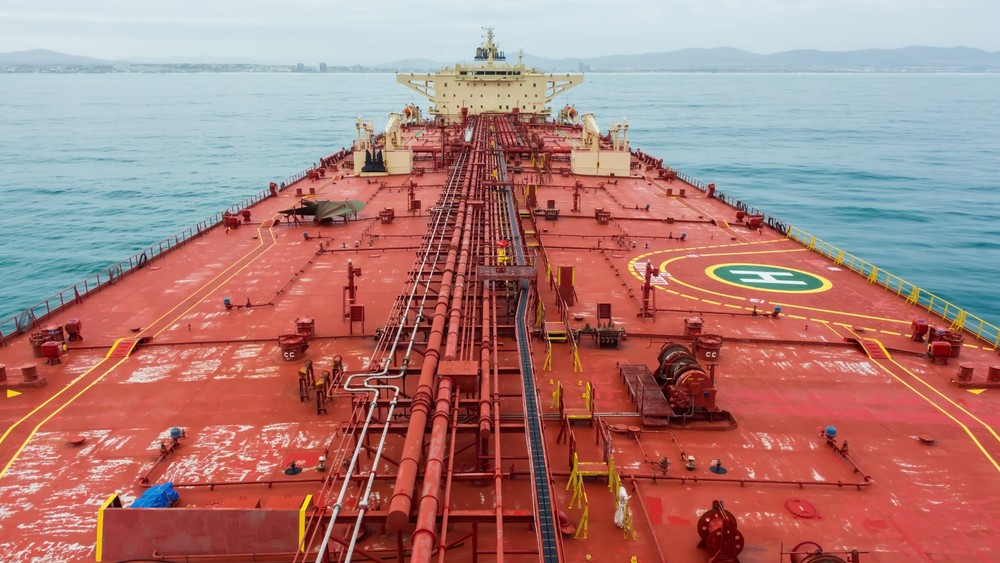
Japan's largest refining company, Eneos, has purchased a rare cargo of Canadian crude, marking a significant step in the country's efforts to diversify its oil supply sources away from the Middle East.
According to a Reuters report citing ship-tracking data from Kpler and LSEG, this represents the first Canadian oil shipment acquired by a Japanese company since 2025. The cargo was loaded onto an Aframax tanker with a capacity of 750,000 barrels. Exxon is identified as the seller.
"Japan's renewed purchases of TMX crude highlight Canada's growing role in Asia's evolving import strategy as refiners diversify away from Middle East Gulf supplies," Kpler senior analyst Richard Ro told Reuters.
Canadian crude reaches Asian markets through the Trans Mountain pipeline, which terminates at the coast of British Columbia. Since 2024, the pipeline has been operating at approximately double its previous capacity of 890,000 barrels per day, as Canadian producers move to secure a larger foothold in Asian markets. The long-delayed TMX expansion, completed in 2024, gave Alberta producers their first meaningful direct access to Pacific Basin buyers, reducing reliance on the U.S. Gulf Coast as the primary export route.
Ongoing oil export disruptions in the Middle East have heightened the appeal of Canadian crude, particularly for countries like Japan. Prior to the conflict, Japan sourced over 90% of its crude oil from Middle Eastern producers. As the world's fourth-largest oil consumer, Japan imports nearly all of the crude it processes, making supply chain resilience a core strategic priority for the country's refining sector.
Since the war began, Japan has actively pursued alternative supply sources, including the United States and Russia. Japan is not alone in turning to Canadian crude — India, Malaysia, and Singapore are also purchasing oil from Alberta that is transported to the coast via the Trans Mountain pipeline. Canadian heavy crude has historically traded at a discount to benchmark grades like Brent, adding a cost-competitive dimension to its logistical appeal for Asian refiners equipped to process heavier barrels.
According to Reuters, as much as 77% of total oil exports from the port of Vancouver have been directed to Asia since the start of the year. This represents a notable increase from 51% in 2024, when the expanded Trans Mountain pipeline (TMX) began operations at its higher capacity.
Driven by robust international demand for Canadian crude, Trans Mountain Corp. announced earlier this year that it is considering a further capacity expansion of the pipeline, potentially raising throughput to as much as 1.2 million barrels per day. Whether additional Japanese refiners follow Eneos' lead will be a key signal of how durably Canada is establishing itself as a Pacific-facing crude supplier alongside established Middle Eastern and U.S. sources.
Source: OilPrice.com

