Japan Deploys $96.5 Billion in Record Yen Intervention as Import Costs and Food Prices Climb
Key Takeaways
- •Japan reportedly spent $96.5 billion on its largest currency intervention in history to defend the yen.
- •The intervention was carried out over about one month as authorities responded to continued yen weakness.
- •Japan’s July import bill reached ¥12.1 trillion, adding to pressure from higher foreign-currency costs.
- •Food prices are still rising broadly, with 2,311 products set to increase in August and 4,531 more in September.
- •The reported intervention would be larger than Japan’s yen-buying operations in 2022 and 2024.
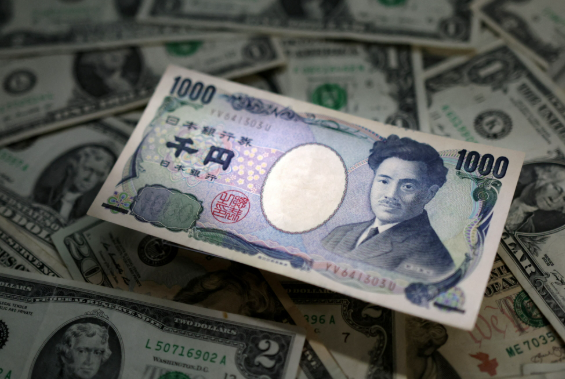
Japan spent $96.5 billion defending the yen in its largest currency intervention in history, according to figures shared by @coinbureau on X. The operation was carried out over just one month as authorities confronted continued weakness in the Japanese currency and rising costs for imported goods.
The currency pressure comes alongside significant increases in import costs and consumer prices. Japan recorded a ¥12.1 trillion import bill in July, while 2,311 food products are scheduled to see price increases in August and another 4,531 products are set for price hikes in September. The combination of a weaker yen and higher import costs has increased pressure on Japanese consumers and businesses, putting currency stability at the center of economic policy discussions.
Japan Records Largest Yen Intervention
The $96.5 billion operation represents the largest currency intervention in Japan's history, according to the information cited in the X post.
In Japan, currency intervention is decided by the Ministry of Finance and executed by the Bank of Japan on the government's behalf, drawing on foreign exchange reserves that total more than $1 trillion. That machinery has been used repeatedly in recent years: authorities spent roughly ¥9.2 trillion buying yen in September and October 2022, the first yen-buying operations since 1998, and about ¥9.8 trillion, or roughly $62 billion, in April and May 2024. The newly reported $96.5 billion outlay would exceed both of those prior rounds.
Currency intervention refers to actions by authorities intended to influence exchange rates. In Japan's case, intervention can be used to support the yen when officials determine that excessive currency weakness is creating undesirable economic and financial consequences.
The reported scale of the latest intervention illustrates the extent of the resources deployed to address pressure on the yen. Carrying out the operation over a single month also highlights the speed at which authorities responded to the currency's weakness.
The yen plays an important role in Japan's economy because the country relies heavily on imports for a wide range of goods and resources. Changes in the exchange rate therefore have a direct effect on the domestic cost of imported products. A weaker yen means that Japanese buyers require more yen to purchase goods priced in foreign currencies, which can raise costs for importers and businesses and, in turn, contribute to higher prices for consumers. That exposure is unusually broad: Japan imports nearly all of its crude oil and natural gas, and government data put its food self-sufficiency at around 38 percent on a calorie basis, among the lowest levels for a major developed economy.
¥12.1 Trillion July Import Bill Adds Pressure
Japan's record July import bill reached ¥12.1 trillion, according to the figures shared in the X post.
The size of the import bill is particularly significant in the context of yen weakness because exchange-rate movements can affect the domestic cost of imported goods. When the yen loses value against foreign currencies, Japanese companies generally face higher yen-denominated costs for products purchased from abroad.
Those higher costs can eventually be reflected in consumer prices, depending on how much of the increase businesses pass through to customers. The pressure is especially relevant for food and other imported goods that are regularly purchased by households. Rising import costs can therefore extend the effects of currency weakness beyond financial markets and into everyday consumer spending.
Thousands of Food Products Face Price Increases
The impact of higher costs is also visible in Japan's food sector. According to the information shared by @coinbureau, 2,311 food products are raising prices in August, while a further 4,531 products have price increases scheduled for September.
The figures point to continued pricing pressure across a broad range of food products. For consumers, repeated price increases can raise household expenses and reduce purchasing power.
The connection between currency weakness and consumer prices is particularly important for an economy such as Japan's, where imported materials, ingredients and energy can contribute to the costs faced by domestic businesses. As import prices rise, companies must decide whether to absorb those additional expenses or pass some of them on to consumers through higher retail prices.
Yen Weakness Creates Broader Economic Challenges
The latest figures illustrate the broader economic consequences associated with a weaker yen.
The currency's decline has also coincided with a wide gap between Japanese interest rates and those in the United States and Europe. The Bank of Japan ended eight years of negative rates in March 2024, but Japanese borrowing costs have remained comparatively low, and analysts have widely cited that rate differential as a source of downward pressure on the yen — a condition that currency intervention does not directly change.
While currency movements can affect different parts of an economy in different ways, yen weakness generally increases the domestic cost of goods purchased from overseas. That can place additional pressure on households and companies when import prices are already elevated.
Japan's response therefore involves more than attempting to stabilize the exchange rate. Authorities must also contend with the effects that currency movements can have on inflation and household costs. The $96.5 billion intervention reported in the update represents a major effort to address currency weakness, while the ¥12.1 trillion July import bill and thousands of scheduled food-price increases demonstrate how exchange-rate movements intersect with the broader economy.
Japan Faces Continued Currency and Price Pressures
Japan is now confronting the challenge of managing yen weakness while higher import costs feed through to consumers.
The record scale of the reported intervention demonstrates the importance authorities have placed on the currency, while the food-price figures show the pressure being experienced by consumers. With 2,311 food products increasing prices in August and 4,531 more scheduled for increases in September, pricing pressures remain a significant issue.
Japan's Ministry of Finance typically confirms intervention totals with a delay, publishing monthly aggregates in the weeks after operations occur and day-by-day details quarterly, which will allow the reported $96.5 billion figure to be checked against official data. Upcoming trade releases and monthly food-price surveys will show how import costs and scheduled increases develop from here.
The information originated from an update shared by @coinbureau on X. The reported figures highlight the connection between Japan's currency market, import costs and consumer prices as authorities respond to continued yen weakness.

