Iron Ore Set for Second Weekly Gain on Freight Costs and China Restocking Hopes
Key Takeaways
- •Iron ore futures neared CNY 730 per ton and were set for a second consecutive weekly gain.
- •Rising freight costs, driven by Pacific weather disruptions, higher oil prices, and increased Guinea transshipment volumes, supported iron ore prices.
- •Iron ore inventories at major Chinese ports fell for a fourth straight week, pointing to potential pre-holiday restocking.
- •Brazilian miner Usiminas temporarily halted its Samambaia iron ore plant from September 2 due to weak ore prices and sharply higher freight costs.
- •Shrinking margins at Chinese steel mills, pressured by a prolonged property sector downturn, may limit further upside in iron ore prices.
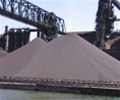
Iron ore futures climbed toward CNY 730 per ton and were on track for a second consecutive weekly gain, supported by elevated ocean freight costs and expectations of pre-holiday restocking in top buyer China. The anticipated restocking is linked to upcoming holidays in China, when steel producers and traders typically build inventories ahead of plant slowdowns and construction scheduling shifts.
A combination of factors has driven up freight costs, providing support to iron ore prices. Poor weather in the Pacific, higher oil prices, and increased transshipment volumes from Guinea have all contributed to the rise in shipping expenses. The Guinea connection reflects the growth of bauxite and bulk cargo shipments from West Africa, which has tightened availability of large dry-bulk vessel capacity on key routes serving iron ore trade.
Industry data also showed that iron ore inventories at major Chinese ports declined in the latest week, marking a fourth consecutive weekly drop and signaling potential for restocking. China is the world's largest importer of iron ore, importing the majority of seaborne iron ore trade, and port stockpile levels are a widely watched indicator of demand in the country's steel sector. China produces roughly half of the world's steel, so shifts in its raw material purchasing patterns move global benchmark prices, including Singapore Exchange and Dalian Commodity Exchange iron ore contracts.
Elsewhere, Brazilian miner Usiminas temporarily suspended operations at its Samambaia iron ore plant in Itatiaiuçu from September 2, citing weaker ore prices and sharply higher freight costs. Usiminas is a Brazilian steel and mining company based in the state of Minas Gerais. Supply suspensions of this kind, if sustained, can tighten the seaborne market, though the plant's outage was framed by the company as temporary.
Meanwhile, iron ore prices may face a ceiling as margins at Chinese steel mills continue to shrink. Steel mill profitability is a key factor influencing raw material purchasing appetite, and compressed margins can weigh on demand for iron ore. Chinese steel producers have been contending with weak downstream demand tied to a prolonged property sector downturn, which has kept steel prices and mill margins under pressure even as Beijing introduces stimulus measures aimed at supporting the economy.
Iron ore is the primary raw material for steel production, and its price movements are closely tied to conditions in China's construction and manufacturing sectors, which account for the bulk of global steel output. Traders are also watching for further signals on Chinese steel production policy, as output curbs or stimulus targeting infrastructure and property would directly shape ore demand in the months ahead.
Source: Trading Economics
