Iraq More Than Doubles Oil Exports via Hormuz, Offering Relief to Asian Refiners
Key Takeaways
- •Iraq's crude exports via the Strait of Hormuz rose to about 2.34 million bpd in August, up from 1.35 million bpd in July, according to Iraqi officials and vessel-tracking estimates.
- •Iran granted permission for some tankers carrying Iraqi crude to transit the Strait of Hormuz, easing Iraq's export bottleneck, though it remains unclear whether all Iraqi tankers are being allowed through.
- •Iraq attracted buyers by offering heavy discounts on Basrah crude, with Chinese refiners alone estimated to have purchased at least 16 million barrels for September delivery.
- •August export volumes still trail Iraq's pre-war levels of more than 3.5 million bpd, and oil sales account for the overwhelming majority of Iraqi government revenues and foreign exchange.
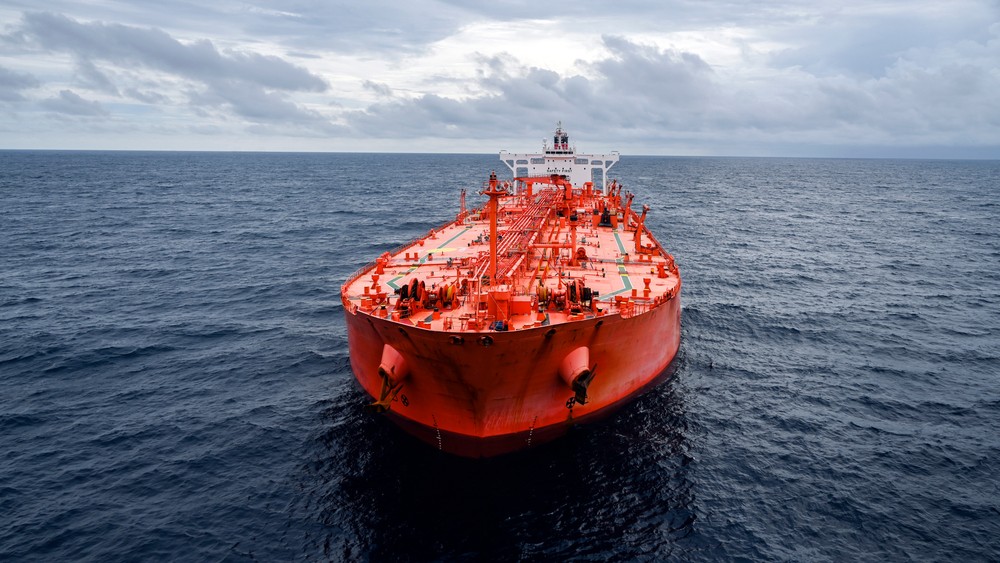
Iraq, OPEC's second-largest producer, more than doubled its crude oil exports via the Strait of Hormuz in August, as it offered steep discounts for loadings at Basrah in the Persian Gulf and Iran allowed Iraqi oil cargoes to transit the chokepoint.
Iraqi oil exports jumped to some 2.34 million barrels per day (bpd) in August, up from 1.35 million bpd in July, two Iraqi energy officials told Reuters. The figures are consistent with estimates from vessel-tracking firms Vortexa and Kpler, which put Iraq's oil shipments at between 2.2 million bpd and 2.3 million bpd last month.
Although these volumes still trail the pre-war levels of over 3.5 million bpd, the increased flows would benefit refiners in India and China that are geared to process the heavier and higher-sulfur crude Iraq produces. Such grades, including Basrah Medium and Basrah Heavy, typically trade at a discount to lighter benchmarks, and Iraqi barrels have long been a staple feedstock for complex Asian refineries designed to run cheaper sour crude.
Last month, Iranian state media reported that Tehran had granted permission to a number of oil tankers carrying Iraqi crude to transit the Strait of Hormuz, easing Baghdad's export bottleneck. It remains unclear whether Iran is allowing all Iraqi oil tankers through the strait — a question that will shape how much of the recovery in exports can be sustained in the months ahead. Even so, batches of permitted tankers provide meaningful relief for Iraq, which has borne the brunt of the Middle East crisis as its heavily oil-dependent economy collapsed under trickling oil revenues during the blockage of the Strait of Hormuz. Oil sales account for the overwhelming majority of Iraq's government revenues and foreign exchange, leaving the federal budget acutely exposed to any disruption in export flows.
Because of the de facto closure of the Strait of Hormuz, Iraq was forced to slash its oil production, as its exports from Basrah must transit the world's most vital oil chokepoint. The strait normally carries roughly a fifth of globally traded oil, which is why the closure rippled far beyond Iraq, and why any partial reopening of transits matters for broader crude supply.
The Iranian corridor out of the Gulf came on top of considerable discounts Iraq has offered buyers to encourage them to send tankers to pick up crude from Basrah, according to various reports and analysts.
"Iraq has been giving heavy discounts ... which has incentivised buyers to find shipping options to get the cargoes out," Sparta Commodities senior analyst June Goh told Reuters.
As a result, Chinese and Indian refiners have received Basrah crude cargoes in recent weeks and have chartered tankers to lift additional volumes from Basrah in the coming weeks. China's refiners alone are estimated to have bought at least 16 million barrels of Basrah crude for September delivery, trade sources told Reuters. Traders and refiners will be watching whether Tehran extends transit permissions more broadly and whether Iraq can rebuild volumes toward pre-war levels, while the discounts Baghdad is offering trim the revenues it earns on each barrel.
By Tsvetana Paraskova for Oilprice.com
