Iran Weighs Permanent Hormuz Ban as Trump Says Deal Is Close
Key Takeaways
- •Iran's Parliament is reviewing legislation to permanently block US, Israeli, and other hostile vessels from the Strait of Hormuz, a waterway carrying roughly 20% of global daily oil consumption.
- •Saudi Aramco reduced its flagship Arab Light price for Asian buyers to a $2 per barrel discount while raising scarce Arab Medium and Heavy grades by $1.25, a move read as a forward indicator of potential OPEC+ supply changes.
- •The Democratic Republic of Congo implemented an immediate ban on copper and cobalt concentrate exports to force domestic processing, aligning with a broader wave of African resource nationalism.
- •Record-low water levels on the Rhine River restricted navigable depth at Kaub to just 17 cm, forcing vessels to carry under 20% of normal loads and tripling inland German tanker freight costs to €160 per tonne.
- •Iraq and Syria announced plans to rebuild the Kirkuk–Baniyas pipeline by 2029, aiming to create a Mediterranean export route that would reduce Baghdad's near-total dependence on Gulf shipping lanes.
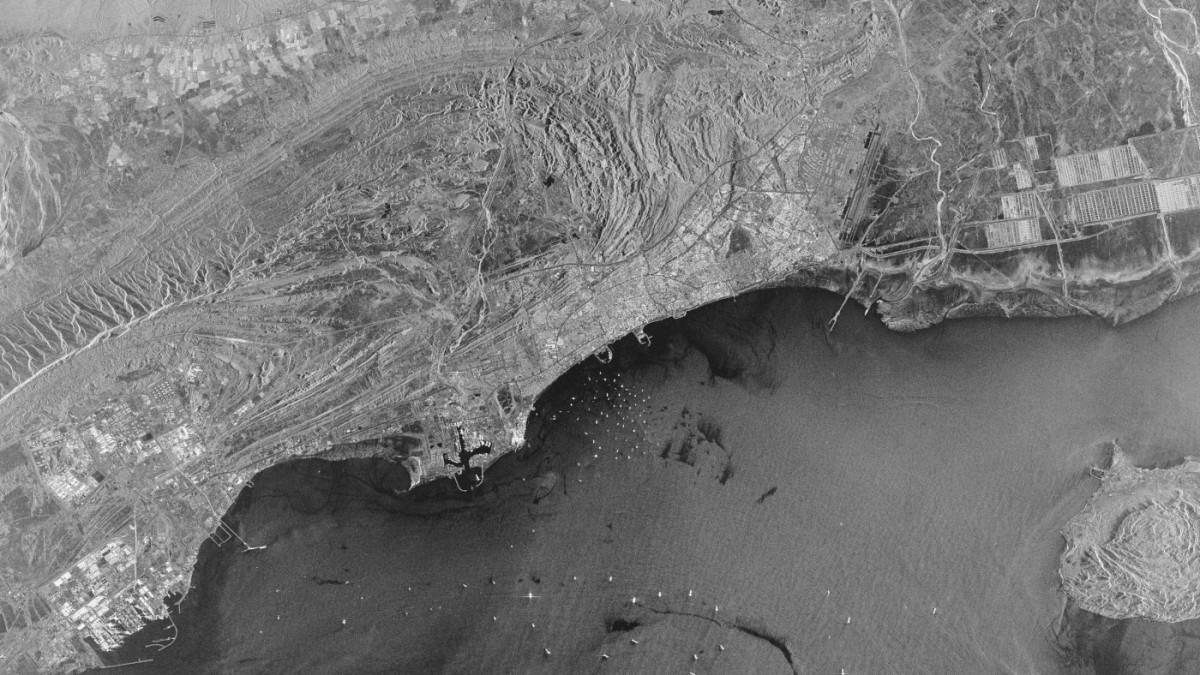
Conflicting signals from Washington and Tehran are keeping oil markets on edge as Iran weighs a permanent shipping ban in the Strait of Hormuz while President Trump says a deal is within reach.
Friday, August 07, 2026
The oil market's own whiplash — trying to interpret contradictory claims from US President Trump and Iranian officials seeking to escalate the blockade of Hormuz even further — continues to puzzle analysts and traders. Iran's Parliament is reviewing a bill to permanently ban US, Israeli and other hostile vessels from the Strait of Hormuz, supported by a flurry of drone and missile strikes in the waterway, just as Trump said a final deal was "close." ICE Brent is set to end the week at $83 per barrel.
Iran and Oman Draw the Lines Through Hormuz
Tehran and Muscat have agreed on the coordinates of a proposed shipping corridor that would give Iran control over Gulf-bound vessels, but Iranian officials cautioned that key details remain unresolved and that the new arrangement alone would not guarantee security in the strait. The Strait of Hormuz carries roughly 20% of the world's daily oil consumption, making any disruption a flashpoint for global energy security and a primary reason Brent has held above $80 despite conflicting signals on negotiations.
Aramco Splits Its September Pricing Strategy
Saudi Aramco (TADAWUL:2222) cut its flagship Arab Light grade for Asia by 50 cents to a $2 per barrel discount to Oman/Dubai, while raising scarce Arab Medium and Heavy grades by $1.25 per barrel. The move suggests the company could increase Gulf output soon, and Aramco's monthly official selling prices are widely read as a forward indicator of OPEC+ supply direction.
Court Blocks Trump's $20 Billion Climate Clawback
A US federal appeals court ruled that the EPA could not cancel Biden-era clean-energy grants solely because of policy disagreements, restoring an injunction that protects $20 billion in funds for nonprofit lenders such as the Climate United Fund and CGC.
US Major Changes Guard After 14 Years
Ryan Lance, CEO of ConocoPhillips (NYSE:COP), will retire next month and hand leadership to CFO Andy O'Brien. Lance transformed the company into the world's largest independent oil producer through acquisitions including Concho Resources, Shell's Permian assets and Marathon Oil.
China Opens Its Fuel Export Taps Wider
Beijing has loosened restrictions on refined product exports for a second month, allowing August transportation fuel shipments of up to 3.6 million to 3.7 million tonnes. That is well above last year's monthly average as refinery runs recover, reaching 13 million b/d last month.
Mexico Bans Fracking Despite US Gas Dependence
Mexico President Claudia Sheinbaum has ruled out pilot fracking projects in Coahuila and Tamaulipas, despite rumors to the contrary. The decision comes even as declining conventional gas output leaves Mexico dependent on the US for 75% of its gas needs.
Rhine Shipping Costs Explode as Water Hits Record Low
Navigable depth at Kaub fell to just 17 cm this week, forcing vessels to carry barely 20% of normal loads and tripling inland German tanker freight to €160 per tonne. The Rhine is a critical artery for moving diesel, gasoline, and heating oil into Germany and Switzerland, so the low-water bottleneck is tightening product supply across northwest Europe. Light precipitation on Friday has halted the continuous declines seen over the past weeks.
US Natural Gas Sinks Despite the Summer Heat
Henry Hub futures fell to a 14-week low of $2.64 per MMBtu after gas inventories rose by 33 Bcf, well above the five-year average. Near-record production and weaker LNG feedgas flows outweighed higher cooling demand across the country.
China Pushes the Yuan into Iron Ore Pricing
China's main steel association, CISA, called for yuan-denominated benchmarks based on its vast port-side market. The group is seeking to expand China's influence in a market dominated by Australian and Brazilian miners and to encourage more yuan term deals for state buyers. Related: ADNOC Reports 15 Vessel Attacks as Hormuz Risks Mount
Britain Tightens the Screws on Russia's Shadow Fleet
London sanctioned six Russian banks, six newly acquired tankers and four companies importing weapons-grade tantalum and niobium, widening a pressure campaign that has now targeted more than 3,400 Russian individuals and entities since 2022.
Russia Drops Fuel Standards as Refineries Burn
Moscow has extended its waiver allowing refiners to produce lower-grade Euro-2, Euro-3 and Euro-4 gasoline until July 2027. Euro-2 through Euro-4 standards fall well below the Euro-5 and Euro-6 specifications used in most of Europe, meaning Russian domestic fuel quality will continue to lag neighboring markets for the foreseeable future. The move comes as Ukrainian attacks leave roughly 40% of refining capacity offline and push the country's crude runs to a 21-year low in July.
Trump Puts a Price Floor Under US Solar
The White House will impose a 15% tariff and minimum import prices on polysilicon, wafers, cells and panels from December 4. The administration says the measures are intended to shield domestic solar manufacturing from Chinese competition and help restart domestic polysilicon output, with only two factories currently operating.
China's Rare-Earth Exports Hit a Summer Slump
Chinese exports of rare earths fell 17.3% month-on-month in July to a four-month low of 4,224 tonnes, down 30% from a year earlier. China controls roughly 70% of global rare-earth mining and an even larger share of processing capacity, so any sustained export slowdown tightens supply for the permanent magnets used in EV motors, wind turbines, and defense systems. Slower approvals from Beijing and seasonally weaker demand from overseas buyers contributed to the drop.
Congo Slams the Door on Raw Copper and Cobalt Exports
The Democratic Republic of Congo has banned copper and cobalt concentrate exports with immediate effect to force more domestic processing and lift mining revenue as the 0.5 mtpa Kamoa-Kakula smelter ramps up. The country is the world's second-largest copper producer and the largest cobalt producer. The ban aligns with a broader wave of African resource nationalism, with neighboring Zambia and other producing nations weighing similar measures to capture more value from mineral supply chains critical to the energy transition.
Iraq and Syria Dust Off a Hormuz Bypass
Baghdad and Damascus aim to rebuild the Kirkuk–Baniyas pipeline by 2029, potentially carrying 1.5 million b/d to 2 million b/d to the Mediterranean. The pipeline, originally built in the 1950s and out of service since the Iraq War and Syrian civil war, could give Iraq an alternative route after the Hormuz closure exposed its near-total dependence on Gulf export routes.
By Tom Kool for Oilprice.com
More Top Reads From Oilprice.com

