Iran warns of tougher response as traders watch oil, gold and stocks over the holiday weekend
Key Takeaways
- •U.S. Central Command said American forces struck three Iranian crude-oil tankers after Iranian ballistic-missile attacks on two U.S. Navy ships, with no U.S. personnel reported injured.
- •Iran's Parliament Speaker Mohammad Bagher Ghalibaf warned that any new attacks would draw a faster and more painful response.
- •The U.S. Energy Information Administration estimates about one-fifth of global petroleum liquids consumption passes through the Strait of Hormuz, with no practical pipeline alternative for most of that volume.
- •U.S. stock markets are closed Monday, September 7 for Labor Day, with the regular session resuming Tuesday, September 8 at 9:30 a.m. New York time.
- •Key markets to monitor include Brent and WTI crude, gold futures, S&P 500 and Nasdaq-100 futures, plus weekend trading in Bitcoin and Ethereum as an early risk-appetite indicator.
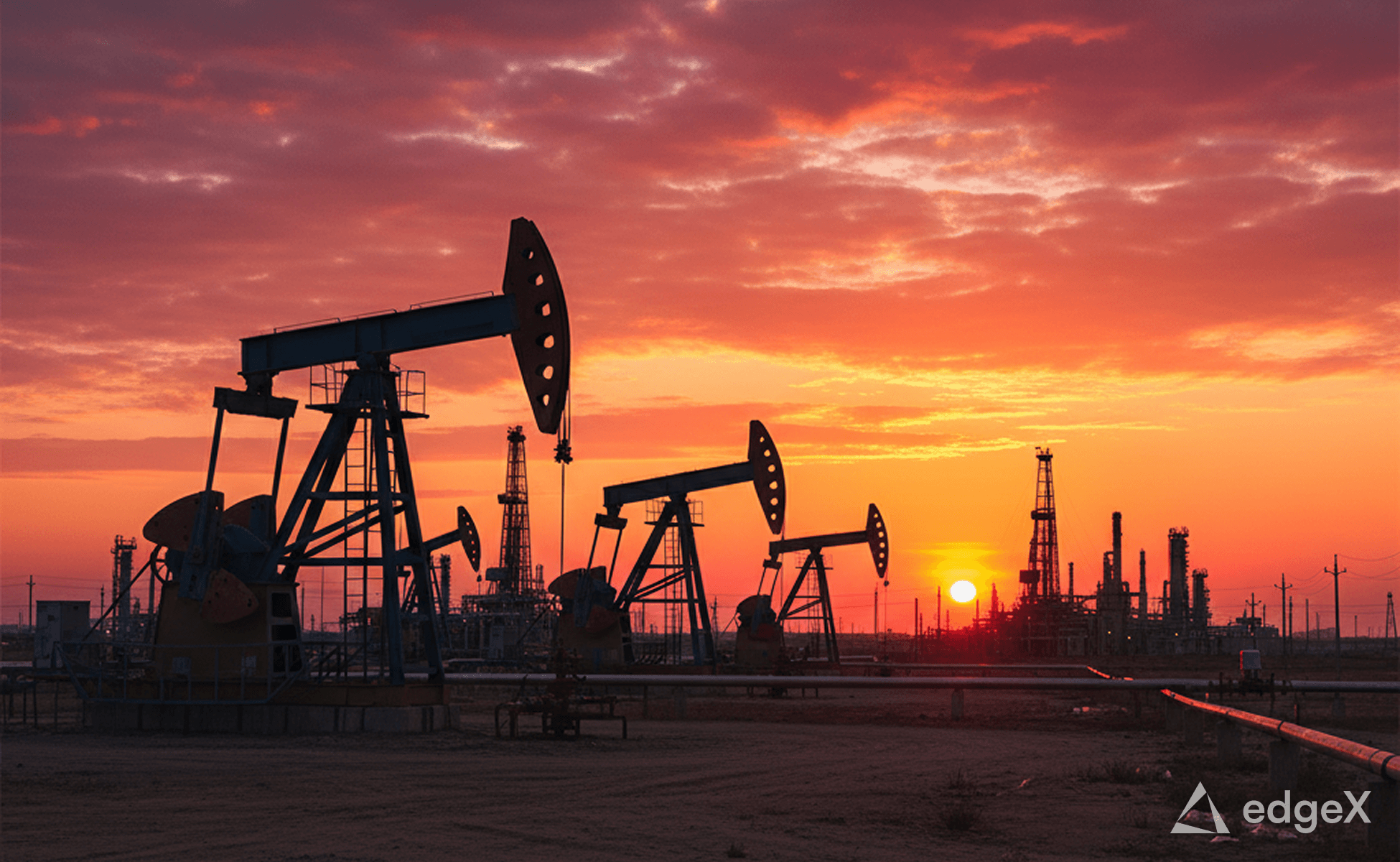
Iran’s latest warning puts oil supplies and shipping through the Strait of Hormuz back in focus for traders. Crude oil is the most direct market to watch, followed by gold and stock-index futures. Bitcoin and Ethereum can offer an earlier weekend indication of risk appetite, although their movements cannot reliably predict Tuesday’s stock-market direction.
Iran’s Parliament Speaker Mohammad Bagher Ghalibaf said new attacks on the country would “meet a faster, heavier and more painful response.” Reuters separately reported his warning that further attacks would bring a stronger response.
The warning followed U.S. Central Command’s statement that American forces struck three Iranian crude-oil tankers on Saturday, after Iranian ballistic-missile attacks on two U.S. Navy ships. CENTCOM said no American personnel were injured. Reuters
According to an Al Jazeera update, the IRGC also said it attacked three U.S.-affiliated vessels and three oil tankers using what it described as an unauthorised route through Hormuz. That remains an Iranian claim; the excerpt does not independently establish the damage or operational consequences.
Why this matters for investors
The Strait of Hormuz is one of the world’s most important chokepoints for oil: the U.S. Energy Information Administration has estimated that roughly a fifth of global petroleum liquids consumption passes through it, with no practical alternative route by pipeline for most of that volume. That concentration is why threats to shipping in the strait have historically moved oil prices more than threats elsewhere.
The main economic risk is that further attacks delay oil deliveries, discourage shipping or raise transport costs. Sustained higher energy prices could squeeze corporate profits and household spending while complicating the inflation outlook.
However, a threatening statement does not establish how much additional oil supply has been lost. Markets will need to assess shipping activity, damage reports and whether the confrontation broadens. This builds on investingLive’s coverage of how producers are trying to keep oil moving through Hormuz.
The following are conditional market scenarios, rather than claims about price moves already underway.
During the weekend: Bitcoin and Ethereum
Spot BTC and ETH trade throughout the weekend. A sustained decline after escalation headlines could indicate reduced willingness to hold risky assets. A rapid recovery would suggest the initial selling lacked follow-through. Crypto remains available around the clock, subject to platform availability (Coinbase trading hours).
Treat that reaction as an early clue. Weekend liquidity and crypto-specific liquidations can exaggerate moves, and Bitcoin should not automatically be treated as a war hedge.
Before Tuesday: Crude oil, gold and stock-index futures
U.S. stocks are closed Monday, September 7, for Labor Day. Their regular session resumes Tuesday, September 8, at 9:30 a.m. New York time. Futures can react before then, with product-specific holiday hours; check the relevant contract and broker schedule (NYSE calendar, CME trading hours).
The priority watchlist:
- Brent and WTI crude futures, including CL or MCL: Does an initial rise hold as shipping reports arrive? Persistent strength alongside verified disruption would strengthen the bullish oil scenario. A spike that quickly reverses would weaken it.
- Gold futures, GC or MGC: Watch whether demand for protection translates into sustained buying. A stronger dollar or rising bond yields could offset that demand.
- S&P 500 and Nasdaq-100 futures, ES/MES and NQ/MNQ: Persistent oil strength accompanied by weakening equity futures would suggest concern is spreading into growth and corporate earnings.
- EUR/USD and U.S. Treasury yields: These help distinguish demand for dollar safety from concern about energy-driven inflation. Bond yields could fall on growth fears or rise on inflation concerns.
Tuesday’s stock-market watchlist
- Energy: XLE, Exxon Mobil and Chevron. These are candidates to examine if oil remains elevated. XLE provides exposure to energy companies rather than directly tracking crude prices. Watch whether energy shares outperform the broader market and retain their opening gains (XLE fund information).
- Airlines: Delta and United. Sustained higher fuel costs could pressure margins. Relative weakness after the opening volatility settles would make these more relevant to a bearish watchlist.
- Broad equities: SPY and QQQ. Watch whether an opening decline attracts buyers or develops into sustained selling. A gap down alone does not establish the day’s direction.
- Gold exposure: GLD or IAU. These offer stock-market-listed gold exposure. Their Tuesday opening may already incorporate moves made in gold while U.S. stocks were closed.
For traders, the useful question is whether the initial move holds as better information arrives. For investors, the more consequential issue is whether this becomes a prolonged energy-cost shock. Further disruption could support oil and pressure equities; credible de-escalation could reverse those same trades. Holiday liquidity and opening gaps make entry price and position size especially important.
