Iran Rejects Oman Proposal to Share Strait of Hormuz Control Evenly
Key Takeaways
- •Oman proposed dividing the Strait of Hormuz’s shipping lanes equally and funding safety and environmental work through voluntary ship fees.
- •Iran rejected the proposal, saying it would not agree to evenly shared control of the waterway with Oman.
- •A senior Iranian official said Tehran wants control over all inbound traffic into the Persian Gulf and part of the outbound lanes.
- •Renewed strikes in the Middle East pushed oil prices higher in early Wednesday trading in Asia.
- •Iran’s IRGC said it struck three oil tankers in the Strait of Hormuz and forced them to stop after the vessels ignored warnings.
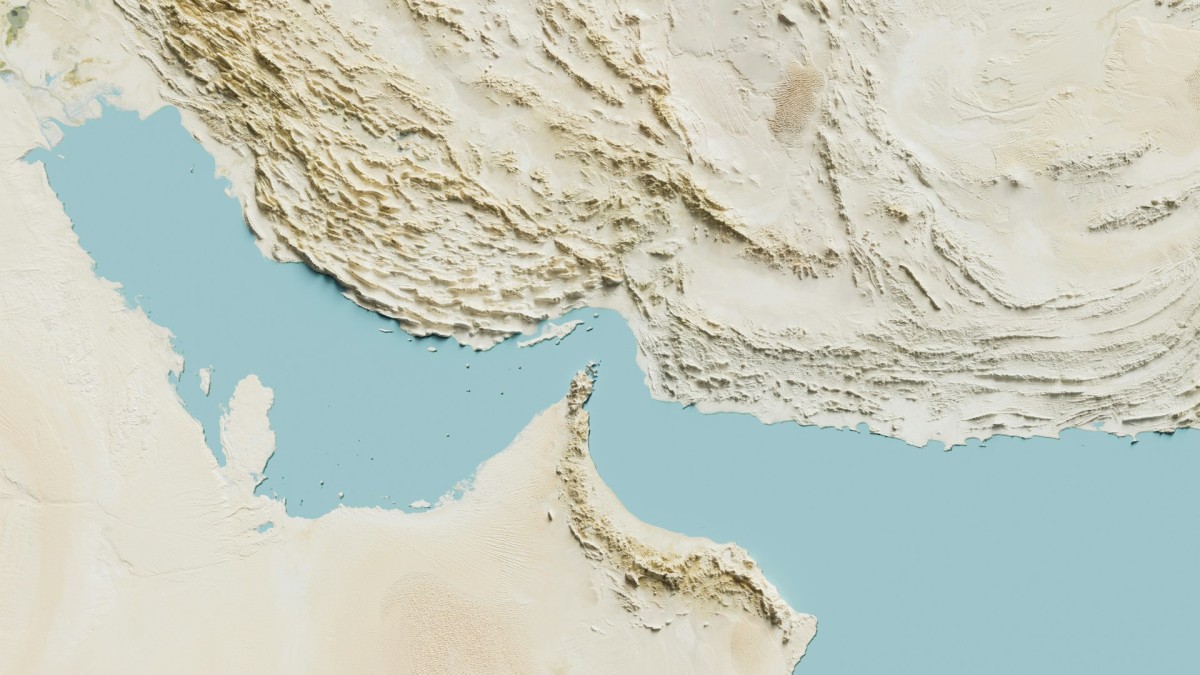
Iran has rejected a proposal from Oman to divide control of the Strait of Hormuz’s shipping lanes evenly, according to a senior Iranian official who spoke to Reuters on Wednesday, as renewed strikes in the region complicated efforts to return quickly to diplomacy.
Oman, which sits across from Iran in the narrow waterway, had proposed splitting the lanes equally and charging ships a voluntary fee to help fund navigation, environmental protection, and rescue operations. The idea was modeled on arrangements in the Strait of Malacca in Asia, where Indonesia, Malaysia, and Singapore request voluntary contributions from vessels to support safe navigation.
The Iranian official said Tehran was unwilling to share control of the strait evenly with Oman. According to the official, the United States and Saudi Arabia were seeking to pressure Oman into putting forward what Iran described as “unrealistic plans” for control of the waterway.
Tehran wants all inbound traffic into the Persian Gulf through the Strait of Hormuz to fall under Iranian control, as well as part of the outbound lanes, the official told Reuters. The official added that while Iran considers Oman a valuable neighbor, evenly divided control would not serve Iran’s interests.
The rejection came as strikes and attacks resumed overnight in the Middle East, pushing oil prices higher again in early Wednesday trading in Asia. The Strait of Hormuz remains a critical chokepoint for global energy flows, so any escalation there tends to draw close attention from shipping markets and regional governments.
Iran’s Islamic Revolutionary Guard Corps (IRGC) said on Wednesday that it struck three oil tankers in the Strait of Hormuz and forced them to stop after the vessels ignored warnings and used what Iran called an “unsafe and illegal route.”
The IRGC Navy said it maintained full control over Hormuz and warned that “The IRGC Navy once again warns that the illegal interventions and orders of the US, a child-killing army, will not go unanswered by vessels in the region.”
By Charles Kennedy for Oilprice.com

