Tehran Losing Ground in Strait of Hormuz Standoff With US, WSJ Reports
Key Takeaways
- •The Strait of Hormuz is the world's most important oil shipping chokepoint, carrying roughly a fifth of globally traded petroleum liquids plus a substantial share of liquefied natural gas.
- •Recent developments suggest the strategic trend in the U.S.-Iran standoff is turning against Tehran, increasing pressure on the Iranian regime.
- •Market pricing indicates a decreased probability of a U.S.-Iran agreement being reached by the September 15 deadline.
- •Market odds of regime change in Iran before the end of 2026 have risen.
- •Observers are watching for announcements from U.S. and Iranian officials, changes in maritime traffic data, and oil price movements as indicators of the evolving situation.
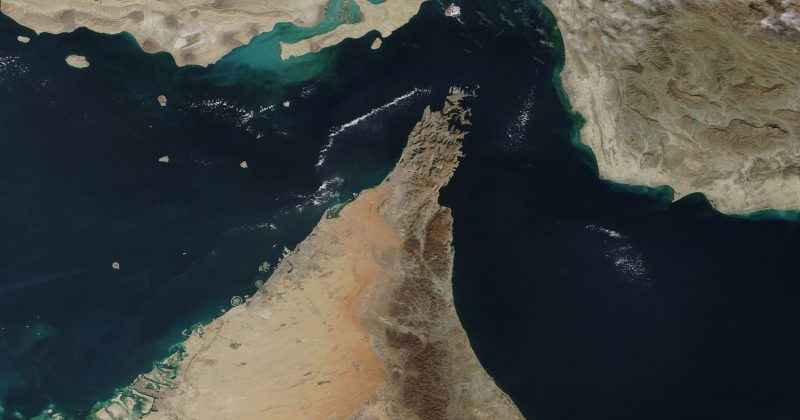
The Wall Street Journal has reported a shift in the strategic dynamics surrounding the Strait of Hormuz, suggesting that Tehran may be losing ground in its standoff with the United States. The Strait, which links the Persian Gulf to the Gulf of Oman and the Arabian Sea, is the world's most important oil shipping chokepoint, typically carrying roughly a fifth of globally traded petroleum liquids as well as a substantial share of liquefied natural gas. Both nations have been leveraging control over the critical maritime passage, each believing that time would work in its favor. Recent developments, however, indicate that the trend may now be turning against Iran, with potential consequences for ongoing negotiations and the stability of the Iranian regime.
Current market pricing reflects this shift. The likelihood of outcomes favoring a normalization of traffic through the Strait, as well as a broader agreement between the U.S. and Iran, has decreased. Conversely, the odds of a potential regime change in Iran have risen. The shift comes amid heightened tensions and economic pressures exacerbated by prolonged conflict and sanctions, which have long weighed on Iran's economy and constrained its oil exports.
Market participants are closely monitoring the implications of these developments, weighing the potential for increased instability in the region. Because the Strait handles such a large share of the world's seaborne oil, any sustained disruption there has historically drawn attention from major importers and naval powers. These factors could play a significant role in shaping geopolitical dynamics and energy markets in the coming months.
Key Takeaways
The shift in dynamics appears to place increased pressure on Tehran, affecting the likelihood of a normalization of traffic through the Strait of Hormuz.
Market pricing implies a decreased probability of a U.S.-Iran agreement being reached by the September 15 deadline.
Observers suggest there is an increased chance of instability within the Iranian regime, as reflected in a rise in market odds for regime change before the end of 2026.
What to Watch
Observers will be closely tracking any announcements from key Iranian and U.S. officials that could further influence the situation. Developments such as a joint U.S.-Iran statement or a major diplomatic breakthrough could alter current market expectations. Conversely, reports of escalating military action or a breakdown in negotiations could solidify current trends. Market participants will also be attentive to any significant changes in maritime traffic data or oil prices, as these could serve as indicators of the evolving geopolitical landscape.
