Iran Conflict Pushes Energy Buyers Toward Local Sources Amid Strait of Hormuz Disruptions
Key Takeaways
- •Energy buyers in Asia and Europe are looking more closely at domestic gas and local alternatives to reduce exposure to global markets.
- •Disruptions through the Strait of Hormuz are a central concern because the route is a major passage for global oil and liquefied natural gas trade.
- •China and India face added pressure to diversify energy portfolios to improve supply security and manage costs.
- •Prediction markets place the odds of crude oil reaching a new all-time high at 6% by September 30 and 13.5% by December 31.
- •Signals from OPEC’s Secretary General and Saudi Arabia’s Energy Minister could affect expectations for production adjustments and market dynamics.
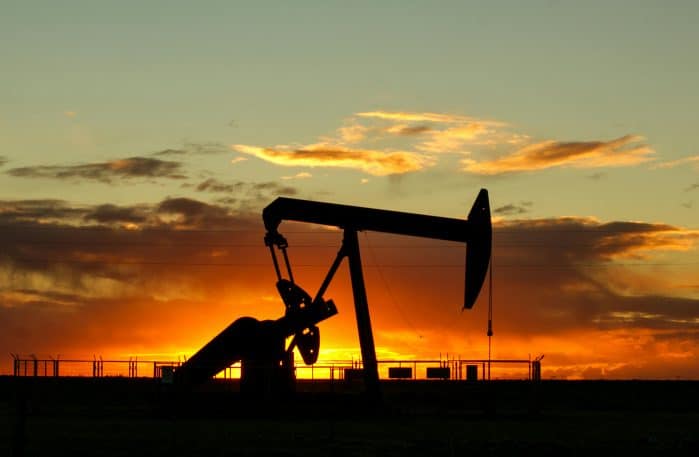
The continuing conflict involving Iran is prompting countries that rely heavily on imported fuel to reassess their energy strategies. According to a report by The New York Times, the war is encouraging energy buyers, particularly in Asia and Europe, to reduce exposure to global markets and look more closely at domestic gas supplies and other local energy alternatives.
The shift is tied in large part to disruptions in energy flows through the Strait of Hormuz, a key passage for the global oil and liquefied natural gas trade. The strait connects the Persian Gulf with the Gulf of Oman and is widely treated as one of the world’s most important energy chokepoints, making interruptions there especially consequential for import-dependent economies. The situation has added pressure on major consumers, including China and India, to diversify their energy portfolios in an effort to strengthen supply security and manage costs.
Prediction markets are also tracking the potential effect of the realignment on crude oil prices. Current market odds place the probability of crude oil reaching a new all-time high by September 30 at 6%. The odds for a new all-time high by December 31 stand at 13.5%.
Participants in those markets appear to view geopolitical tensions and constraints on energy supply as factors that could support a “YES” outcome in those scenarios. The market pricing indicates a modest increase in the perceived likelihood of crude oil reaching a new all-time high by year-end.
The broader energy-market shift reflects concerns about supply security and the possibility of sustained price increases. It also highlights the volatility and complexity of global energy markets during periods of geopolitical conflict, with potential consequences for wider economic stability. For governments and large buyers, the issue is not only the immediate availability of fuel but also exposure to shipping routes, long-distance supply chains, and price swings that can feed into power costs, transport expenses, and industrial production.
Developments in the Strait of Hormuz remain central to the outlook because they could either worsen or ease current supply disruptions. Statements or actions from officials such as OPEC’s Secretary General and Saudi Arabia’s Energy Minister may also offer signals on production adjustments that could affect market dynamics.
Policy changes by major energy consumers, including China and India, could further reshape the global energy landscape and influence how prediction markets price the probability of crude oil reaching new highs. Any move toward more domestic supply or local alternatives would likely unfold alongside existing import needs, since energy infrastructure, contracts, and fuel demand patterns typically change over time rather than all at once.

