Metals Market May Be Getting Ahead of Itself, Says Ira Epstein
Key Takeaways
- •Epstein indicated that silver could potentially reach $70 per ounce, which would surpass its all-time nominal high of approximately $50 set during the 2011 metals rally.
- •The metals complex is currently showing overbought signals, but technical indicators nonetheless point to the possibility of continued upward momentum in the sector.
- •Gold is trading in what Epstein described as a critical zone where caution is warranted, despite supportive demand from sustained central bank purchasing in emerging economies.
- •Upcoming CPI and PPI reports are expected to serve as key catalysts for metals prices, as the inflation data will directly influence expectations for Federal Reserve monetary policy decisions.
- •Epstein framed his metals outlook within a broader macroeconomic context that includes the potential for a stock market pullback and geopolitical tensions with Iran that could disrupt energy markets.
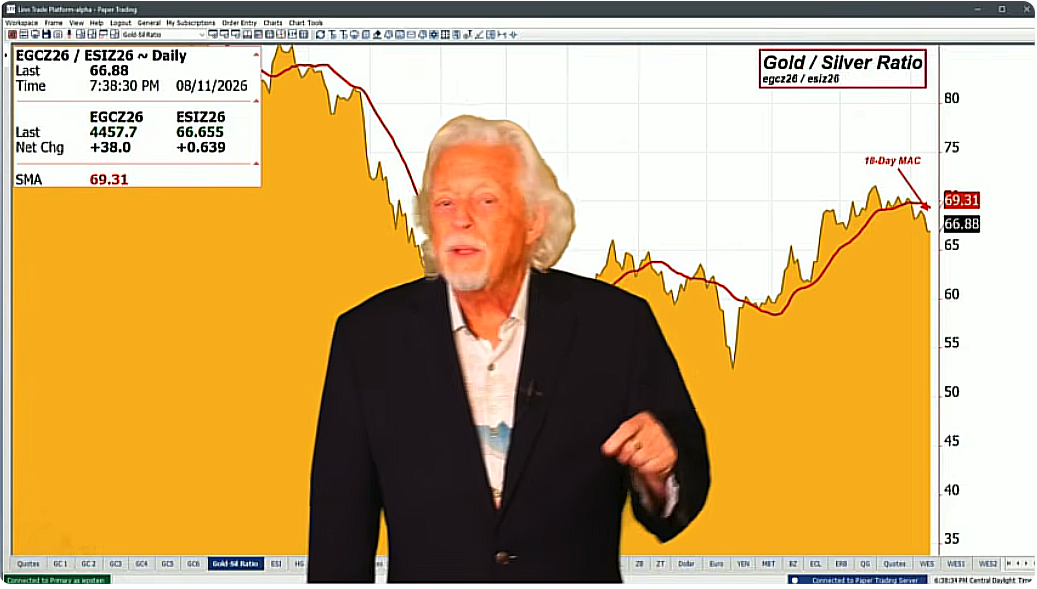
Ira Epstein, a veteran futures market analyst and founder of IraEpstein.com, recently shared his assessment of the current state of the metals markets, with a particular focus on silver, gold, copper, and platinum. According to Epstein, the metals complex is exhibiting signs of being overbought, even as technical indicators suggest the potential for further upward momentum. The assessment comes at a time when investor interest in hard assets has grown amid persistent inflationary pressures and global economic uncertainty.
Silver's Path Toward $70
Epstein highlighted the possibility of silver reaching $70 per ounce, a level that would represent a dramatic increase from historical trading ranges and would surpass silver's all-time nominal high of approximately $50, last reached during the 2011 precious metals rally. Silver, often referred to as "the poor man's gold," has long been known for its higher volatility relative to gold, with a tendency for sharper percentage moves in both directions. The metal serves dual roles as both a precious metal investment and an industrial commodity, used extensively in electronics, solar panels, and medical applications. Traders often monitor the gold-silver ratio—the number of silver ounces equivalent in value to one ounce of gold—as a measure of relative valuation, and periods of broad metals strength have historically been accompanied by a compression of that ratio as silver outpaces gold in percentage gains.
Gold at a Critical Zone
On gold, Epstein noted that the metal is trading in a critical zone where caution is warranted. Gold is traditionally viewed as a safe-haven asset and a hedge against inflation and currency devaluation. Central banks around the world hold gold reserves as part of their foreign exchange reserves, and the metal's price is often influenced by interest rate expectations, real yields, and shifts in currency markets, particularly the U.S. dollar. In recent years, sustained central bank gold purchasing, notably from emerging market economies, has been a significant source of demand that has supported gold prices even during periods of higher interest rates, which typically reduce the appeal of non-yielding assets.
Broader Market Context
Epstein placed his metals analysis within a wider macroeconomic framework. He pointed to the possibility of a stock market pullback and referenced geopolitical tensions with Iran, which he noted could have spillover effects on energy markets. Geopolitical instability in the Middle East has historically influenced oil and natural gas prices, which in turn can affect inflation expectations and commodity markets more broadly. Elevated energy costs are a meaningful input across the global supply chain, and sustained increases in crude oil or natural gas can complicate central banks' efforts to manage inflation, indirectly underpinning demand for precious metals as a store of value.
Inflation Data in Focus
A central theme in Epstein's analysis is the upcoming release of the Consumer Price Index (CPI) and Producer Price Index (PPI) reports. These reports, published by the U.S. Bureau of Labor Statistics, are among the most closely watched economic indicators for gauging inflationary pressures. The CPI measures changes in the price level of a basket of consumer goods and services, while the PPI tracks changes in selling prices received by domestic producers. Both reports are widely regarded as key inputs for Federal Reserve monetary policy decisions, and markets across equities, bonds, and commodities typically react to readings that deviate from expectations. For metals in particular, inflation data that comes in above consensus tends to reinforce expectations of a more restrictive Fed stance, while softer readings can shift sentiment toward potential rate cuts—a scenario that has historically been supportive of precious metals prices.
Technical Indicators Signal Strength Despite Overbought Conditions
Despite the metals market being in overbought territory and approaching resistance levels, Epstein's review of technical indicators suggested that the sector remains poised for a strong upward movement. In technical analysis, an overbought condition typically signals that an asset may have risen too far too quickly and could be due for a correction. However, sustained momentum can sometimes override such signals, particularly when supported by macroeconomic factors such as inflation concerns, currency weakness, or geopolitical uncertainty.
Epstein's full commentary is available through his website at IraEpstein.com. His market analysis is also distributed via email newsletters and his "Futures Videos" series, accessible through Market Center, Linn-IraChart Software, and YouTube.
Source: GoldSeek

