Indian Rupee Strengthens to 95.85 Against US Dollar Amid Lower Oil Prices and RBI Support
Key Takeaways
- •The Indian rupee strengthened to 95.85 per US dollar on July 28, 2026, aided by softer crude oil prices, steady foreign capital inflows, and RBI market intervention.
- •Lower global oil prices could help reduce India's import bill, ease domestic inflation, and narrow the country's current account deficit.
- •India operates under a managed float exchange rate regime where the RBI intervenes using its substantial foreign exchange reserves to curb excessive currency volatility.
- •Analysts cautioned that dollar demand from importers and broader global risks may limit further upside for the rupee.
- •Market participants are monitoring US Federal Reserve policy, the dollar index, domestic inflation and trade data, and global commodity prices for direction on the rupee's near-term movement.
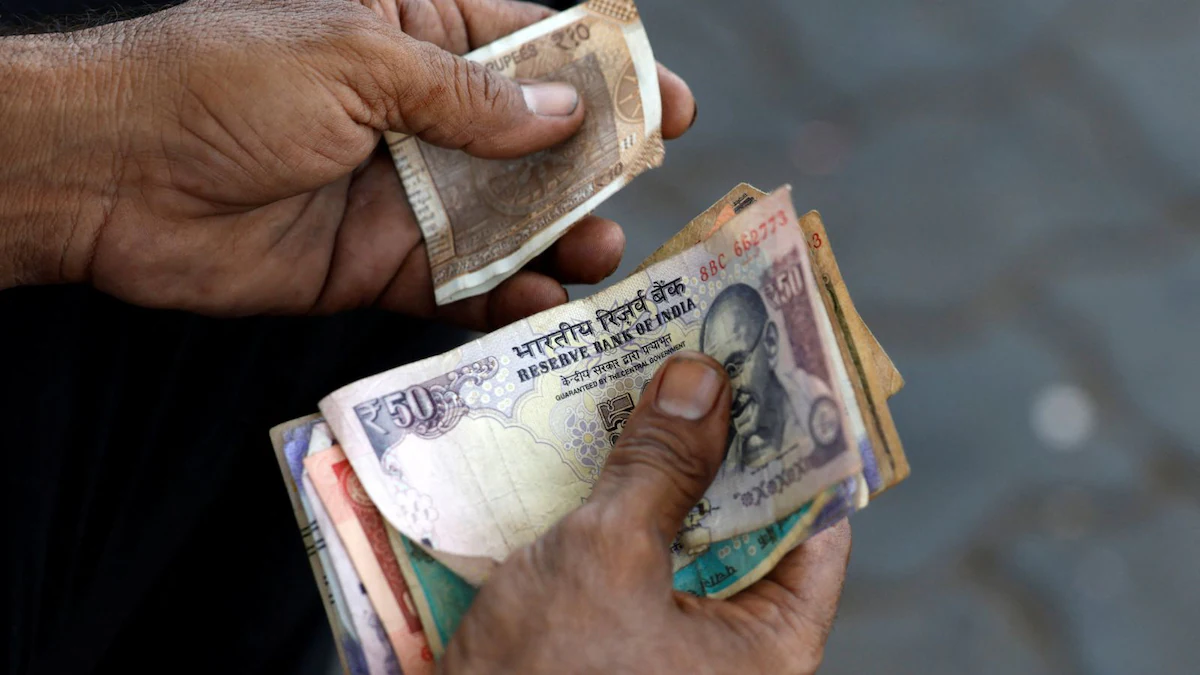
The Indian rupee strengthened against the US dollar on Tuesday, July 28, 2026, reaching 95.85 per dollar. The currency's gains were supported by softer crude oil prices, steady foreign capital inflows, and intervention by the Reserve Bank of India (RBI).
Analysts cited by CNBC-TV18 noted that lower oil prices could help ease domestic inflationary pressure in India, which imports a substantial portion of its crude oil requirements. As the world's third-largest oil consumer and a major petroleum importer, India is particularly sensitive to movements in global energy benchmarks. Reduced energy costs are also seen as beneficial for several sectors of the economy, including aviation and automobiles, where fuel represents a significant operating expense.
However, analysts cautioned that the rupee's upside may remain constrained by dollar demand from importers and broader global risks.
The Reserve Bank of India routinely monitors currency markets and intervenes as needed to curb excessive volatility in the foreign exchange rate. India operates under a managed float exchange rate regime, in which the rupee's value is largely determined by market forces but the central bank steps in to smooth sharp fluctuations. The RBI's capacity to intervene is underpinned by India's foreign exchange reserves, which are among the largest of any emerging market economy.
Crude oil prices are a key factor influencing the rupee's trajectory, as India is one of the world's largest importers of petroleum. Declines in global oil benchmarks typically reduce India's import bill and can narrow the country's current account deficit, providing support for the domestic currency.
Foreign portfolio inflows into Indian equity and debt markets have also contributed to rupee stability, as overseas investment brings dollar supply into the domestic foreign exchange market.
Market participants continue to monitor several variables that could influence the rupee's near-term direction, including the trajectory of US Federal Reserve policy, movements in the dollar index, upcoming domestic inflation and trade data, and any shifts in global commodity prices.
Source: CNBC-TV18

