Indian Oil Corp. Seeks Stakes in Gas Carriers to Cut U.S. LPG Freight Costs
Key Takeaways
- •Indian Oil Corp. is seeking 50% ownership stakes in VLGCs, making it the first Indian refiner to pursue direct vessel ownership to support rising U.S. LPG imports.
- •India plans to source up to one-quarter of its LPG imports from the United States by 2027, reducing heavy reliance on the Middle East, which supplied approximately 90% of the country's 21.85 million metric tons of LPG imports in 2025.
- •Freight costs are the single largest obstacle to expanding U.S. LPG purchases because cargoes from the U.S. Gulf Coast must travel significantly farther than Middle Eastern supplies, making delivered costs highly sensitive to volatile charter rates.
- •The Iran war and closure of the Strait of Hormuz earlier this year triggered India's worst LPG shortage, exposing the country's vulnerability to disruptions in tanker traffic through critical Middle East waterways.
- •U.S. energy purchases are part of India's broader commitment to expand American imports by $10 billion and increase bilateral trade to $500 billion by 2030.
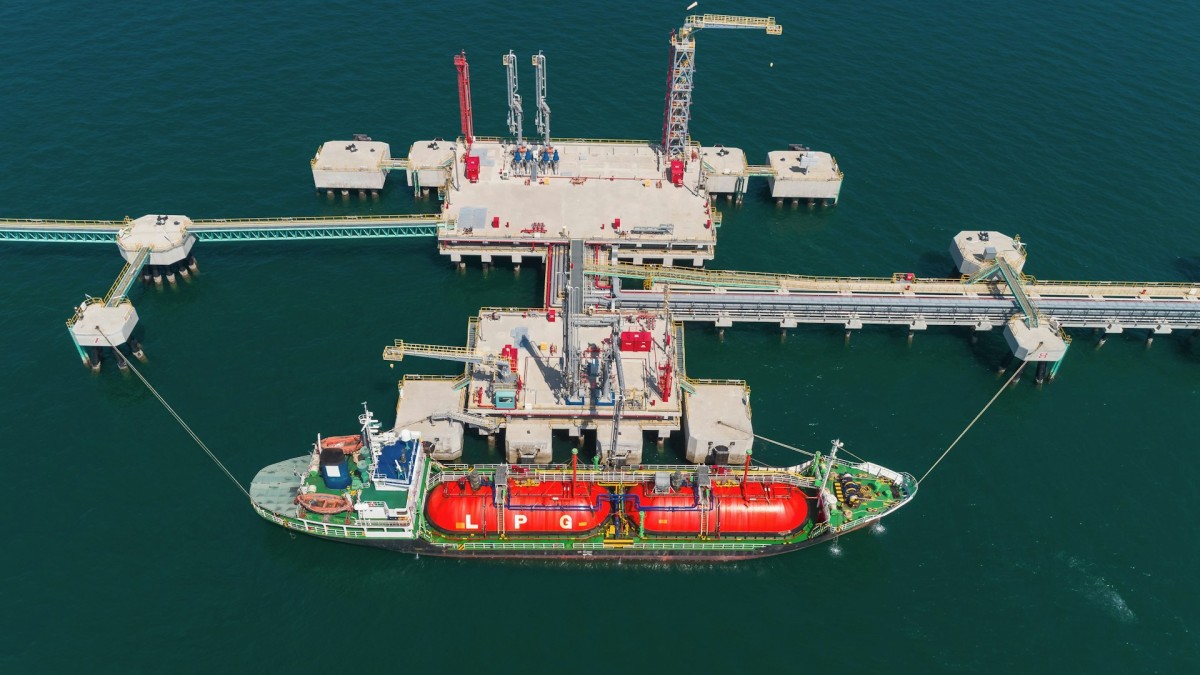
Indian Oil Corp. is seeking 50% ownership stakes in very large gas carriers (VLGCs), marking a first for an Indian refiner, as the company prepares to transport increasing volumes of U.S. liquefied petroleum gas (LPG). India, one of the world's largest LPG importers, depends on the fuel overwhelmingly for household cooking. The move aligns with India's plan to source up to one-quarter of its LPG imports from the United States by 2027 and to reduce its exposure to charter-market freight rates, Business Standard reported on Wednesday.
Indian Oil is accepting bids for vessels with carrying capacities between 80,000 and 93,500 cubic meters. Eligible ships must be no more than 12 years old. Bidders may submit as many as two vessels, and IndianOil LNG may acquire one or more through the tender, according to The Economic Times.
The company has scheduled a pre-bid meeting for August 5 and set a September 7 deadline for commercial and technical bids. All acquired vessels will be registered under the Indian flag.
Freight costs represent the single largest obstacle to expanding U.S. LPG purchases. The United States has become the world's largest LPG exporter on the back of shale gas production growth, making it an increasingly accessible supply source for import-dependent countries. However, cargoes shipped from the U.S. Gulf Coast must travel significantly farther than supplies sourced from Saudi Arabia, the United Arab Emirates, and Qatar, pushing delivered costs higher even when American propane and butane prices remain competitive. VLGC charter rates have historically been volatile, compounding the cost uncertainty for long-distance procurement.
In 2025, India purchased approximately 90% of its 21.85 million metric tons of LPG imports from the Middle East. Imports accounted for 66% of domestic consumption, leaving household cooking-gas availability exposed to disruptions affecting tanker traffic through the Strait of Hormuz.
The Iran war and the closure of the Strait of Hormuz triggered India's worst LPG shortage earlier this year. That supply disruption also exposed freight as India's primary constraint: even when U.S. LPG is competitively priced, the longer voyage from the U.S. Gulf Coast leaves delivered costs highly sensitive to VLGC charter rates. Vessel ownership has therefore become a strategic advantage rather than a purely logistical decision.
Indian Oil, Bharat Petroleum, and Hindustan Petroleum are preparing tenders for U.S. supplies beginning in 2027. India expects LPG imports to reach approximately 20 million metric tons next year as national consumption returns to roughly 31 million tons.
U.S. energy purchases also form part of India's broader commitment to expand American imports by $10 billion and increase bilateral trade to $500 billion by 2030, Reuters reported. Partial vessel ownership would give Indian Oil direct control over a portion of the freight bill attached to that trade shift.
By Charles Kennedy for OilPrice.com

