India Drives a Global Surge in New Coal Mine Plans
Key Takeaways
- •India proposed up to 638 million metric tons annually in new coal mine capacity last year, nearly doubling its prior year's plans and driving an 11% increase in the global total.
- •Global new coal mine additions declined by almost 40% year-on-year to 113 million tons annually, underscoring India's divergence from the broader international trend of a shrinking coal pipeline.
- •India aims to produce 1.15 billion metric tons of coal this fiscal year and 1.5 billion metric tons in fiscal 2026/27, while also targeting 500 gigawatts of non-fossil-fuel installed capacity by 2030.
- •India has been substituting domestic coal for imported fuel at plants built for foreign coal, with some power plants sourcing as much as 70% of their coal domestically as of June.
- •NITI Aayog officials indicate coal will remain central to India's power system for the next two decades despite the country's commitment to reach net-zero emissions by 2070.
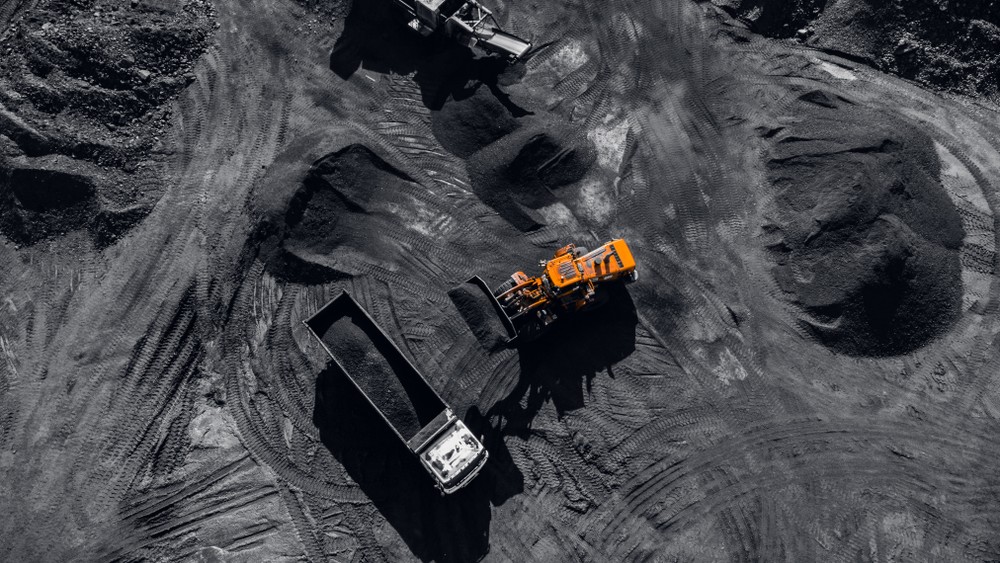
India became the world's largest builder of new coal power generation capacity last year, proposing as much as 638 million metric tons annually in new mine capacity. The figure represents a sharp increase from 329 million tons annually in planned coal capacity a year earlier and drove an 11% rise in the global total for the year.
The data comes from Global Energy Monitor, as cited by Reuters, and underscores India's approach to energy security—one that closely parallels China's strategy of leveraging all available sources of power generation to meet fast-growing demand. India, now the world's most populous nation, faces some of the fastest-rising electricity demand of any major economy, with peak loads driven by industrial expansion and intensifying heat waves that have strained grids in recent years.
India also aims to ramp up domestic coal production, targeting 1.15 billion metric tons for the current fiscal year and 1.5 billion metric tons in fiscal 2026/27. On a global level, however, new coal mine additions fell by nearly 40% year-on-year to 113 million tons annually, according to Global Energy Monitor, highlighting how India's trajectory is increasingly diverging from a broader international trend of contracting coal pipeline development.
The expansion sits alongside India's parallel push into renewables: the country has targeted 500 gigawatts of non-fossil-fuel installed capacity by 2030 and has pledged to reach net-zero emissions by 2070. The simultaneous scaling of coal and clean energy reflects the balancing act facing a nation that must lift per-capita power consumption—still among the lowest for a major economy—while meeting international climate commitments.
"We cannot be subjective about coal. The question is how sustainably we can use it," an analyst from an Indian government policy think tank said late last year. Coal will remain a key part of India's power system for the next two decades, Rajnith Singh Ram of NITI Aayog said at the time.
India, the world's second-largest coal importer and consumer after China, has been substituting domestic coal for imported fuel at plants designed to run on foreign coal. During the first half of this year, domestic coal was used to operate 5.7 gigawatts of capacity at the 18.7-GW fleet of plants built for imported coal, with efforts underway to shift another 4.3 GW of capacity to domestic supply. As of June, some Indian power plants were sourcing as much as 70% of their coal domestically.
Higher domestic production and expanding renewable energy installations have been instrumental in facilitating the transition to domestic coal. India has set a goal to cut its thermal coal imports and has made measurable progress toward that objective in recent months.
By Irina Slav for Oilprice.com.

