India Plans Two New Strategic Oil Reserve Sites to Strengthen Energy Security
Key Takeaways
- •ISPRL is finalizing a feasibility study for a strategic petroleum reserve facility at Bikaner in Rajasthan and has completed a pre-feasibility study for a cavern at Bina in Madhya Pradesh.
- •ONGC is leading a separate project to construct a storage site at Mangaluru in Karnataka with approximately 1.75 million metric tons of capacity, split evenly between strategic reserves and commercial operations.
- •India imports more than 85% of the crude oil it consumes, yet its current strategic reserves can cover only eight days of national demand, well below the 90-day minimum maintained by IEA member countries.
- •The expansion initiative was accelerated by Middle East supply disruptions, including the Iran war and interrupted crude flows through the Strait of Hormuz, even as record Russian imports partially offset the losses.
- •India's government tasked ONGC with building and filling a new strategic reserve site at an estimated investment of $1.6 billion, according to a June report by the Economic Times.
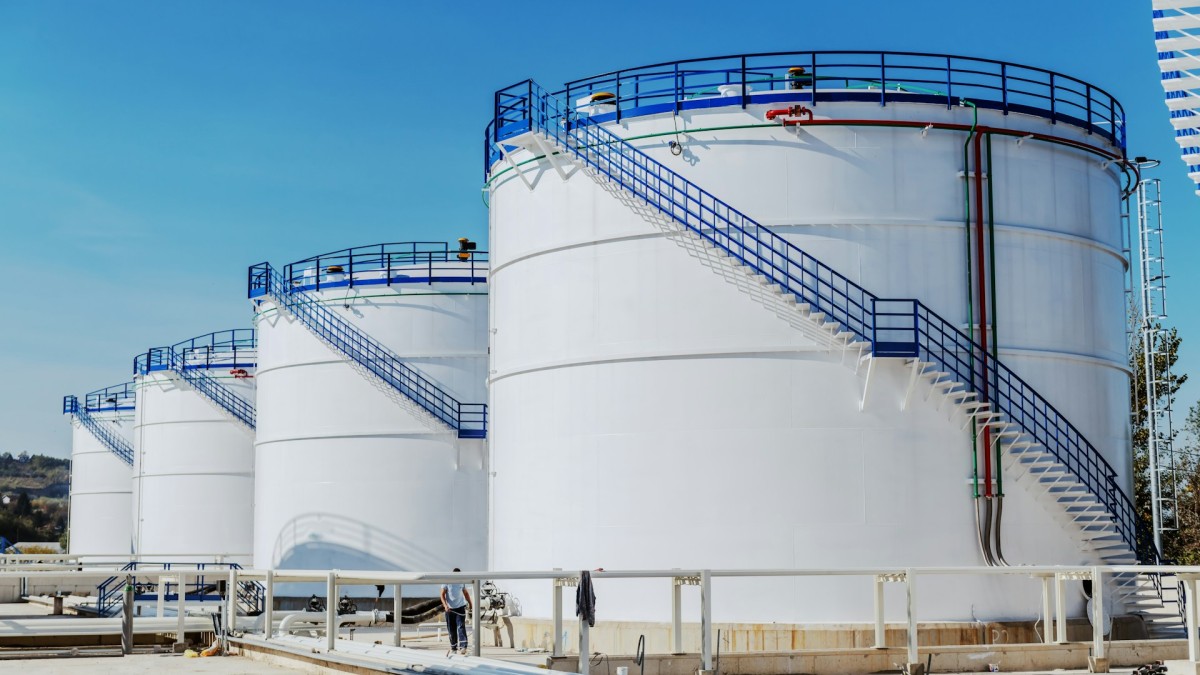
State-controlled Indian Strategic Petroleum Reserves Ltd (ISPRL) is finalizing feasibility studies for two new strategic petroleum reserve facilities as the world's third-largest crude oil importer moves to bolster its energy security amid prolonged supply disruptions in the Middle East.
ISPRL, a government-owned special purpose vehicle, is finalizing a feasibility study for a facility at Bikaner in the state of Rajasthan, northwestern India, and has completed a pre-feasibility study for a cavern at Bina in the central state of Madhya Pradesh, Indian media reported.
These two planned facilities would complement a separate project led by India's state-owned Oil and Natural Gas Corporation (ONGC), the country's top exploration company, to construct a storage site at Mangaluru in the southwestern state of Karnataka on the Arabian Sea. That facility is designed to hold approximately 1.75 million metric tons of crude oil, or about 13 million barrels.
Half of the new Mangaluru storage capacity will be designated for strategic reserves, with the remaining half supporting ONGC's commercial operations, India's Minister of State for Petroleum and Natural Gas, Suresh Gopi, told Parliament earlier this month.
India's push for expanded storage comes in the wake of the Iran war and the disruption of crude flows through the Strait of Hormuz, which left the country searching for alternatives to replace lost Middle Eastern supply. Record crude oil imports from Russia helped cushion the impact, but Indian authorities concluded that additional storage capacity for both commercial and strategic reserves was necessary.
India ranks among the world's largest crude oil importers but is also among the most exposed to supply shocks. The country imports more than 85% of the crude oil it consumes, yet its current maximum strategic reserve capacity can cover only eight days of national oil demand. By comparison, International Energy Agency members maintain emergency stocks equivalent to at least 90 days of net imports, though India is not an IEA member. India's existing strategic reserves comprise three operational underground rock cavern facilities—at Visakhapatnam on the east coast and at Mangaluru and Padur on the west coast—with a combined capacity of roughly 5.33 million metric tons, or about 39 million barrels.
Four months into the Middle East crisis, India's government asked ONGC to build and fill a new strategic petroleum reserve site, with an estimated investment of $1.6 billion, according to a June report by local outlet the Economic Times, which cited sources familiar with the plans.
Source: OilPrice.com

