45 Indian Coal Power Plants Running on Critically Low Coal Stocks as El Nino Heat Drives Up Demand
Key Takeaways
- •The number of Indian coal-fired plants with critically low stocks rose to 45 from 31 at the end of July, with inventories below 25% of required levels or insufficient for three days of generation.
- •Coal stocks at India's power plants fell 15.5% between August 1 and 23 as coal deliveries lagged consumption, and domestic coal prices rose this week.
- •An El Nino-disrupted monsoon has lifted air-conditioning demand while heavy rains flood open-pit mines and slow rail transport of coal to power stations.
- •India's power ministry has asked some coal plants to postpone planned maintenance until the supply issues are resolved.
- •India experienced a similar squeeze in October 2021, when more than 100 plants held critical stocks and several states faced power cuts.
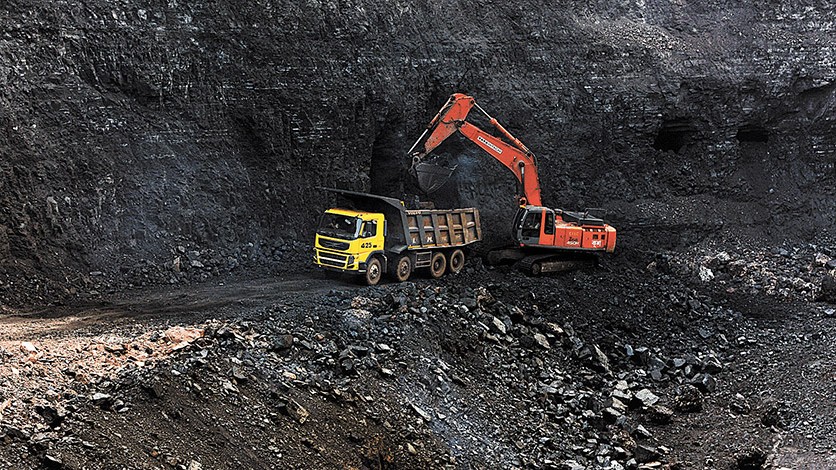
As many as 45 coal-fired power plants in India are operating with critically low coal stockpiles as electricity demand climbs under a strong El Nino while monsoon rains disrupt fuel supply, Reuters reported on Thursday, citing government data and industry officials.
The 45 plants are running with inventories below 25% of their required levels, or with stocks insufficient for three consecutive days of power generation, according to Central Electricity Authority data cited by Reuters. The number of plants with low coal stocks surged to 45 from 31 at the end of July. Coal supplies roughly three-quarters of India's electricity, so plant-level inventories are tracked closely as an early gauge of strain on one of the world's largest power grids.
Monsoon-related disruptions to domestic supply have tightened both the immediate availability and the transportation of coal from India's coal-rich producing states to its coal-fired power stations. Monsoon rains routinely flood open-pit mines and slow rail loading each year, which is why utilities typically aim to build up stockpiles before the season sets in. India is the world's second-largest producer, consumer, and importer of coal after China, and state-controlled Coal India accounts for the bulk of domestic output, while Indian Railways moves most of the fuel to power stations — making the rake counts cited by generators a direct measure of how fast plants can restock. As a result of the tightened supply, domestic coal prices in India rose this week, commodity consultancy BigMint said on Wednesday.
"India's thermal power plants drew down coal inventories sharply during the first 23 days of August as coal consumption continued to outpace supplies," BigMint said in a separate analysis. Stocks at India's power plants declined by 15.5% between August 1 and 23, as receipts of coal deliveries lagged the rate of coal burns, the consultancy added.
India's monsoon season has been disrupted by El Nino, with hotter-than-usual temperatures driving up power demand. "The uneven monsoon has driven power demand, primarily for air-conditioning. But coal supplies are running hand-to-mouth," an anonymous official at NTPC, India's biggest thermal power producer, told Reuters. "There is a need for five to six rakes at some plants, but we are receiving only half that number," the executive said. India faced a comparable squeeze in October 2021, when a weak monsoon and resurgent post-pandemic demand left more than 100 coal plants with critical stocks and triggered power cuts in several states; since then, the government has periodically directed generators to blend imported coal to cushion domestic shortfalls.
The higher coal demand for cooling is boosting India's reliance on thermal coal plants, and some of these facilities have been asked by the power ministry to delay planned maintenance until the supply issues are resolved, a senior official at the ministry told Reuters. The monsoon typically begins retreating from northwestern India in September, a window in which mining output and rail deliveries usually pick up, and Central Electricity Authority data — the basis of Thursday's Reuters report — will show whether plant stocks move with them.
By Charles Kennedy for Oilprice.com

