India's Coal Demand Projected to Reach 1.6 Billion Tons by 2030
Key Takeaways
- •Indian Coal Secretary Vikram Dev Dutt projected that national coal demand will rise to 1.6 billion tons by 2030, up from roughly 1.2 billion tons at present.
- •India plans to establish a coal trade exchange to create a transparent marketplace, which could later enable a market for coal derivatives.
- •Following 2020 reforms that opened commercial mining auctions to private companies without end-use restrictions, India's annual coal output has exceeded 1 billion tons in a fiscal year for the first time.
- •Coal accounts for about 60% of India's total power output, and imports have run above 200 million tons a year in recent fiscal years, including coking coal for steelmakers.
- •A NITI Aayog energy adviser said coal is expected to remain a key part of India's power system for the next two decades despite the national target of 500 gigawatts of non-fossil capacity by 2030.
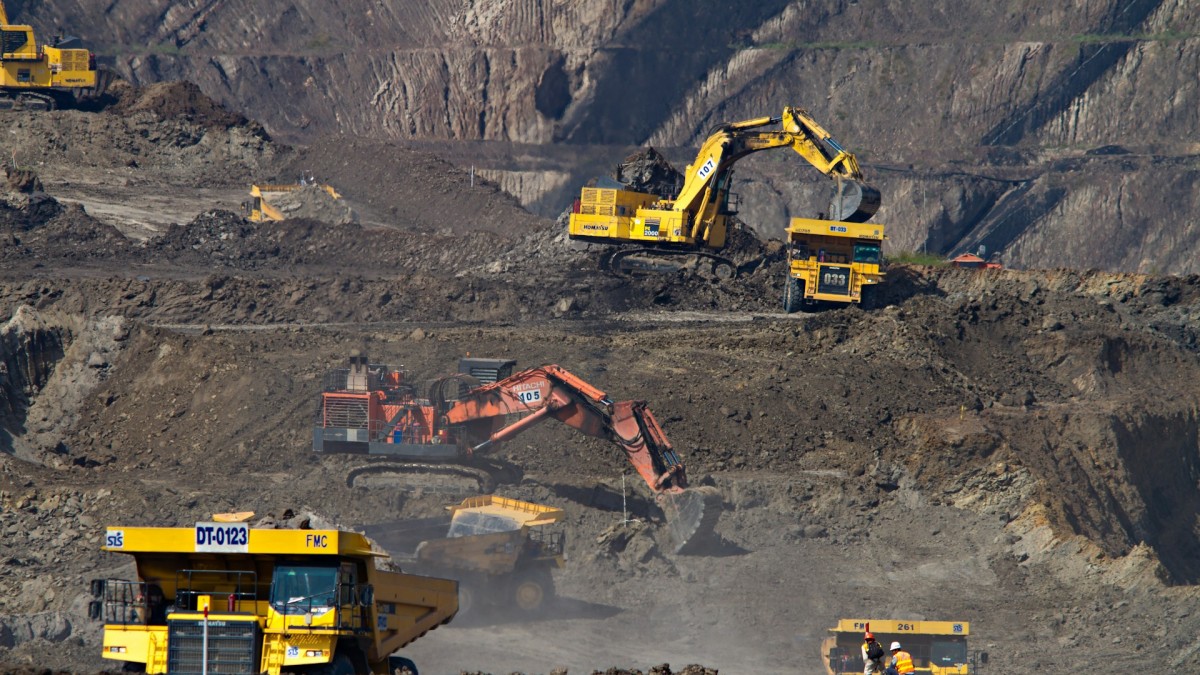
India's coal demand is set to jump to 1.6 billion tons by 2030, up from roughly 1.2 billion tons at present, driven by higher electricity generation and industrial activity, Indian Coal Secretary Vikram Dev Dutt said on Friday.
India, the world's second-biggest coal consumer behind China, plans to create a coal trade exchange and raise its domestic coal supply in order to boost market transparency and energy security, respectively. Speaking at a commodity industry event in Mumbai, the secretary said a local coal exchange would create a transparent marketplace for buyers and sellers, and could later lead to the establishment of a market for coal derivatives in India. The exchange would mark a shift for a market in which most domestic coal is currently sold through long-term contracts and government allocations rather than at an openly discovered price, and which still relies on imports running at well over 200 million tons a year in recent fiscal years, including coking coal for steelmakers.
"Coal demand is projected to rise further to an estimated 1.6 billion tonnes by 2030, and under this situation, where the country has moved from a scarcity scenario to a surplus scenario, a shift that underscores the need for more efficient, transparent and market-driven mechanisms for coal trade," Dutt said, as quoted by Indian media.
Last year, India's Coal Ministry proposed establishing a coal trading exchange as domestic coal production climbs amid the government's push for higher output and sector reforms allowing private firms to operate mines. Those reforms began in 2020, when commercial mining auctions were opened to private companies without end-use restrictions, and national coal output has since climbed past 1 billion tonnes in a single fiscal year for the first time.
Overall coal-fired power generation and capacity installations in India continue to rise, and coal remains a key pillar of the country's electricity mix, holding a share of about 60% of total power output. Despite booming renewable capacity additions — part of a national target of 500 gigawatts of non-fossil power capacity by 2030 — India continues to rely on coal to meet most of its power demand, with authorities also seeking to avoid blackouts during severe heat waves that have repeatedly pushed electricity demand to record highs.
Coal will still be a key part of India's power system for the next two decades, Rajnath Ram, adviser for energy at the government policy think tank NITI Aayog, said at the end of last year.
"We cannot be subjective about coal. The question is how sustainably we can use it," the official noted.
How quickly the proposed exchange moves from plan to launch, whether a coal derivatives market follows, and whether domestic production and transport capacity keep pace with the projected demand are among the open questions for the sector heading toward 2030.
By Charles Kennedy for Oilprice.com.

