Hungary's Paks Nuclear Plant Resumes as Danube Water Levels Rise
Key Takeaways
- •Hungary shut down the Paks Nuclear Power Plant on August 2, marking the first complete shutdown in the facility's 44-year history due to critically low Danube water levels.
- •The Paks plant, equipped with four Soviet-designed VVER reactors, normally generates approximately half of Hungary's electricity.
- •Danube water levels have recovered by 19 centimeters above the recent low point after rainfall returned to the river's Austrian catchment areas.
- •Romanian authorities blasted a rock formation and sank barges filled with rocks to redirect the Danube's flow, successfully ensuring cooling water for the Cernavoda nuclear plant and extending its second reactor's operation by at least nine days.
- •The drought-driven disruptions at Danube-cooled nuclear plants echo similar curtailments at river-dependent facilities across Europe, including France's Rhône and Garonne sites.
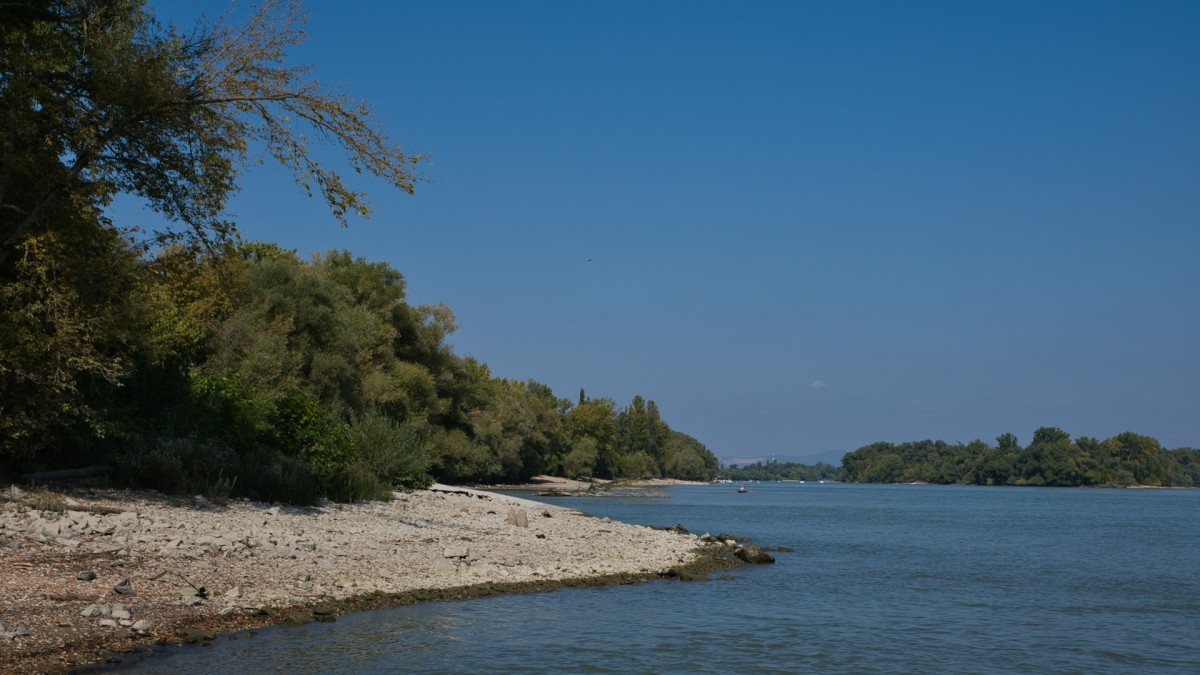
Hungary expects its only nuclear power plant to resume producing electricity as early as Monday evening, following the reconnection of a turbine at the Paks facility, Prime Minister Peter Magyar announced.
The Paks plant, equipped with four Soviet-designed VVER reactors, typically generates roughly half of Hungary's electricity, making the shutdown a significant test of the country's grid resilience.
The announcement marks a turning point after Hungary and Romania faced weeks of power supply disruptions caused by this summer's heatwaves and rainfall shortages, which drove the Danube to its lowest water levels in nearly 90 years. Both countries were forced to curtail nuclear output at their respective plants, which rely on the river for reactor cooling. The disruptions echo similar curtailments at river-cooled plants across Europe — including France's Rhône and Garonne sites — where extreme heat and drought have repeatedly forced operators to reduce output or seek regulatory exemptions in recent summers.
Hungary shut down the Paks Nuclear Power Plant on August 2 — the first such shutdown in the facility's 44-year history — as the Danube's water level continued to drop, Prime Minister Magyar said.
Danube water levels began recovering late last week as rainfall returned to the river's Austrian catchment areas. On Thursday, Magyar said: "We are already nine centimeters above the Danube's Sunday low point, and rain is expected in the Austrian catchment areas."
Despite the improving conditions, Hungary last week reiterated its call for "a strong need for voluntary reductions in electricity consumption" as a heatwave continued to grip Europe.
On Monday, Maguar confirmed: "The Danube's water level was 19 centimeters above the low point from one week ago this morning. The reconnection process of a Paks turbine has begun. From evening, the No. 3 turbine of the second unit will also generate power."
Reuters reported on the turbine reconnection process, while earlier coverage noted Magyar's warning that low Danube levels could have kept the Paks plant shuttered for weeks.
Romania, which also operates a nuclear power plant on the Danube, took more drastic measures. According to AP News, Romanian authorities blasted a rock formation and sank barges filled with rocks to redirect the Danube's flow and ensure sufficient cooling water for the reactors at Cernavoda, the country's only nuclear power plant, which supplies about a fifth of Romania's electricity. Bloomberg reported that the operation was successful — water levels at Cernavoda rose, allowing the plant's second nuclear reactor to continue operating for at least nine more days.
Source: OilPrice.com

