Houthis Say They Attacked Saudi Oil Tanker in Red Sea
Key Takeaways
- •The Houthis said they targeted the Saudi oil tanker NCC GHAZAL because it violated their maritime navigation ban and ignored warning calls.
- •Houthi spokesman Yahya Saree said the vessel was struck with ballistic missiles and forced to retreat.
- •Windward said the Saudi-flagged tanker had multiple periods of lost AIS transmission, ship-to-ship transfers, and destination changes before the reported attack.
- •The reported strike comes amid renewed regional violence, including Iranian missile launches at U.S. bases and subsequent U.S. and Saudi strikes in eastern Iraq.
- •Saudi Arabia is diverting more crude exports through Egypt’s Ain Sukhna, the SUMED pipeline, and Sidi Kerir as Red Sea security concerns rise.
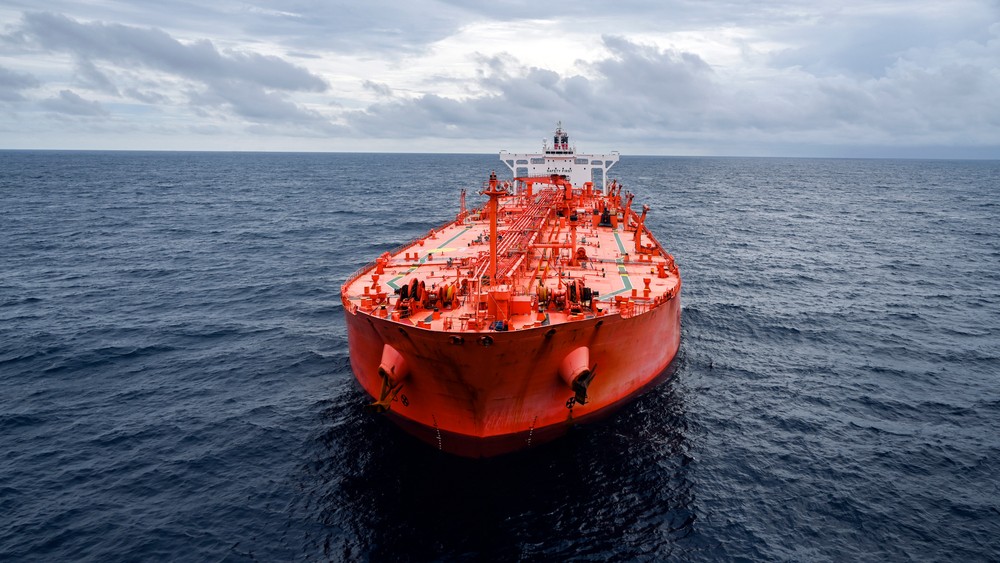
Yemen’s Houthis late on Tuesday said they attacked a Saudi oil tanker in the Red Sea, claiming the vessel violated the blockade the Iran-aligned group announced last week on Saudi shipments in the Red Sea and Bab el-Mandeb Strait.
“The Yemeni armed forces carried out a military operation targeting the Saudi oil tanker (NCC GHAZAL) for violating the maritime navigation ban imposed on the Saudi enemy and for refusing warning calls, using a number of ballistic missiles,” Yahya Saree, the Houthi military spokesman, said in a post on X. The spokesman added that the tanker was forced to retreat and return.
Maritime intelligence firm Windward said the Saudi-flagged GHAZAL had shown high-risk behavior in the Red Sea in the weeks before the reported strike, including a seven-day AIS blackout off the Yemen coast, multiple ship-to-ship transfers, and repeated destination changes. Windward analysts added that the tanker went dark again on July 23 and has not transmitted its position since then.
The reported Houthi attack comes amid fresh strikes in the region. Late on Tuesday, U.S. Central Command (CENTCOM) said Iranian forces launched multiple ballistic missiles at U.S. bases across the Middle East in what it described as a surprise attack. CENTCOM later said U.S. and Saudi forces carried out “precision strikes” against “multiple terrorist logistics and weapons sites across eastern Iraq.”
The latest report of a Houthi attack on a Saudi tanker is adding to concerns about tanker traffic in the Red Sea, where shipping companies have already had to track changing security risks along a route that links the Arabian Sea with the Suez Canal. Even as U.S.-Iran hostilities have somewhat abated in recent days, the episode underscores how quickly disruptions in the Red Sea can affect vessel routing and cargo planning.
In a sign that Saudi Arabia is again trying to reroute its crude exports, more than half a dozen empty supertankers are currently headed to Egypt’s Sidi Kerir port to pick up Saudi crude and avoid the new threat to Middle East chokepoints, including the Bab el-Mandeb in the Red Sea.
Since the Houthis announced last week a blockade on Saudi shipments in the southern Red Sea and the Bab el-Mandeb Strait, Saudi Arabia has been moving more crude from Yanbu to Egypt’s Ain Sukhna port on the Red Sea, then through the SUMED onshore pipeline to Sidi Kerir. Those cargo movements highlight the role of alternate export paths when access near the Red Sea is seen as less secure.
By Tsvetana Paraskova for Oilprice.com

