Energy Secretary Chris Wright pressed on Fox News over Strait of Hormuz traffic, blames Biden administration and Democratic policies for oil prices
Key Takeaways
- •Only 30 vessels transited the Strait of Hormuz on Sunday, far below the pre-war high of about 130 ships per day.
- •Wright maintained that the United States is still moving oil, gas, and other critical products through the strait, though he acknowledged flows have not fully returned to normal.
- •Oil is trading at approximately $83 a barrel, up from the low $60s in early February.
- •Wright said he did not know when vessel traffic through the strait would recover to pre-war levels.
- •Wright argued that Democratic green energy policies are at least as responsible for high energy prices as the conflict with Iran.
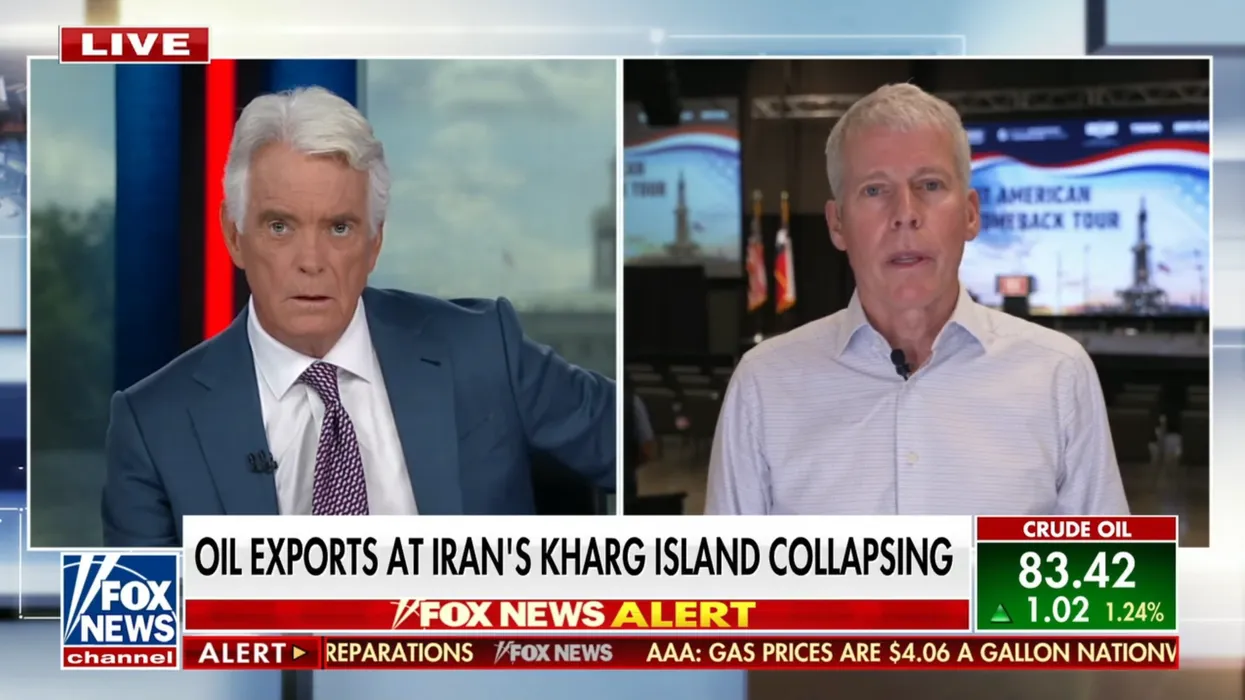
Energy Secretary Chris Wright appeared on Fox News on Monday to discuss vessel traffic through the Strait of Hormuz, a critical chokepoint for global oil shipments where, under normal conditions, roughly a fifth of global petroleum liquids consumption transits with no sea-route alternative for most Gulf crude exports. But the interview shifted after host John Roberts noted that current transit figures remain far below pre-war levels amid the ongoing U.S. war against Iran, which has caused severe disruptions to the waterway.
Wright said 30 vessels had transited the Strait of Hormuz on Sunday and maintained that the United States was “continuing to get oil and gas and other critical products” out of the channel.
“So even if the numbers were 30 ships per day, that's still down from a pre-war high of about 130 ships per day,” Roberts noted. “When can we expect to see the traffic increase back up to pre-war levels?”
Wright said he did not “know the future.” He insisted that a substantial amount of oil was still moving through the strait and downplayed the need for oil coming out of the waterway, citing the United States’ own oil production. The United States is the world’s largest crude oil producer, though in normal times much of the crude transiting Hormuz supplies refiners in Asia and Europe, and overland routes such as Saudi Arabia’s East-West pipeline and the UAE’s line to Fujairah can bypass only a fraction of the strait’s normal throughput.
“Oil is still $83 a barrel, up from I think low $60s back in early February,” Roberts said. “Why is the price of oil so high if almost all the oil that was getting out before the war is getting out now?”
Wright acknowledged that “we’re not fully back to the full flow” and that there had been a “disruption” before turning to criticism of the previous administration and Democratic lawmakers.
“I've got to point out: oil prices were far higher during the Biden administration when there wasn't disruption of flows in the Middle East, and another huge thing for energy prices in the United States is Democratic policies!” Wright said. “Foolish green energy policies, they're at least as responsible for high energy prices as the conflict with Iran.”
"Foolish green energy policies, they're at least as responsible for high energy prices as the conflict with Iran!" - Energy Secretary Chris Wright pic.twitter.com/ivRUDSxl57 — Alexander Willis (@ReporterWillis) August 17, 2026

