Tankers Face Fresh Threats in Strait of Hormuz Amid Renewed Diplomatic Efforts
Key Takeaways
- •The Bermuda-flagged LNG carrier GasLog Shanghai was reportedly struck by missiles in its engine room off Oman, rendering the vessel inoperable, though GasLog has not confirmed the incident.
- •Two Liberia-flagged tankers, Egypt Prosperity and On Pride, separately received threats and reported explosions while transiting the Strait of Hormuz over the weekend.
- •President Trump announced negotiations with Iran would commence Monday and said he called off a planned attack at the request of Saudi Arabia, Qatar, and the UAE to pursue a diplomatic reopening of the strait.
- •The Houthis denied reports of charging tolls for Bab al-Mandab transit but continue to designate certain vessel classes as prohibited and subject to attack.
- •Gulf states including Saudi Arabia and the UAE are pursuing pipeline expansion projects to bypass Hormuz, but infrastructure limitations mean these alternatives cannot fully replace normal export routes in the near term.
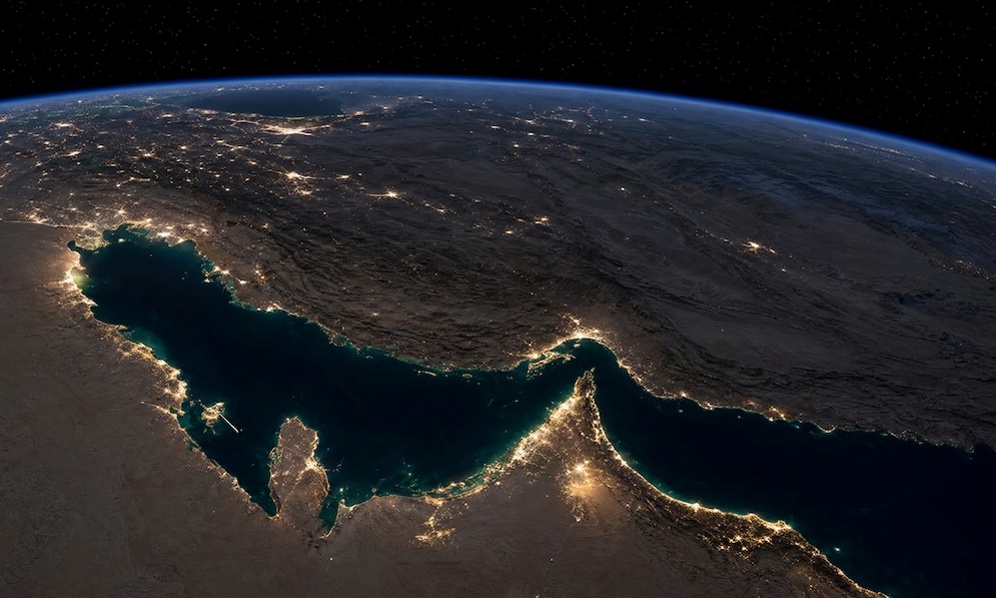
Merchant shipping remains vulnerable across the Middle East's two principal maritime chokepoints, with new threats and explosions reported in the Strait of Hormuz — the transit point for roughly 20% of global daily oil consumption — at the same time that Washington says a fresh round of peace negotiations with Iran is getting underway.
The latest incidents follow a reported attack on the Bermuda-flagged LNG carrier GasLog Shanghai off Oman overnight into Saturday. Missiles or other projectiles reportedly struck the vessel's engine-room area, rendering the ship inoperable. GasLog has not confirmed the incident. No casualties or pollution have been independently verified.
Risks persisted through the weekend. According to Vanguard Tech, the Liberia-flagged tanker Egypt Prosperity received repeated VHF threats while sailing eastbound through Hormuz, approximately 20 nautical miles northeast of Khasab, Oman, at 20:37 UTC on Sunday. Callers claiming affiliation with Iran's Islamic Revolutionary Guard Corps navy warned that the tanker would be attacked. The vessel's master subsequently heard a loud explosion at a considerable distance off the starboard beam, altered course, and headed toward Dubai's outer port limits. The ship and crew were reported safe.
A second Liberia-flagged tanker, On Pride, reported warning shots from the north and an explosion roughly 1.5 nautical miles from its port quarter while inbound through Omani territorial waters. The master believed the unidentified projectile had been aimed at another vessel but could not confirm this.
The reports underscore that Hormuz remains perilous despite renewed diplomacy, with traffic severely reduced and shipowners confronting uncertain war-risk insurance coverage.
US President Donald Trump stated that negotiations with Iran would commence Monday afternoon, though he did not name a venue, participants, or deadline. Trump said he had called off a planned attack at the request of Saudi Arabia, Qatar, and the UAE in the hope of securing the "Immediate, Complete and Total" reopening of Hormuz.
A proposal described by a regional official would see Iran reopen the strait and halt attacks in exchange for the US ending its naval blockade and permitting Iranian oil exports. Tehran disputes that any agreement has been reached.
Separate talks between Iran and Oman were said to be in their final stages, but Tehran characterized these as discussions over a new transit route rather than a restoration of the pre-war passage regime.
Meanwhile, at the other end of the region, the Houthis issued a rare press release directly to Splash denying reports that ships are being charged to transit the Bab al-Mandab strait. The Houthi-run Humanitarian Operations Coordination Center stated it had neither taken nor considered a decision to impose tolls and insisted passage remained free. It also said its Safe Transit Service was voluntary and free for ships outside the group's declared ban, warning owners not to make payments or provide information to anyone claiming to collect fees on its behalf.
The statement does not, however, amount to an assurance of unrestricted navigation. The Houthis continue to designate certain classes of vessels as prohibited and exposed to attack.
The simultaneous disruption of both Hormuz and Bab al-Mandab is compelling Gulf exporters to accelerate alternative routes, according to tanker broker Gibson. Saudi Arabia, the UAE, and Oman have emerged as relative beneficiaries because they possess ports outside Hormuz, although none has sufficient bypass capacity to fully replace normal Gulf exports.
Saudi Arabia is considering expanding its East-West pipeline to the Red Sea by up to 2 million barrels per day, with Kuwait discussing access for its crude. The bottleneck is increasingly at Yanbu, where port infrastructure must be improved before the pipeline's nominal capacity of 7 million barrels per day can be realized. Crude loadings there recently averaged 4.65 million barrels per day, far above the previous record of 1.7 million barrels per day.
The UAE is developing a second pipeline to Fujairah — already the country's primary crude export terminal on the Indian Ocean outside Hormuz — that would double capacity to 3.6 million bpd, potentially becoming operational later in 2027.
Iraq remains heavily exposed. Its route to Turkey has struggled to move much beyond 200,000 bpd since restarting in late 2025. Baghdad is considering projects linking Basrah with the Kirkuk-Ceyhan system, Aqaba, and Syria's Baniyas, but timelines remain uncertain.
A permanent shift of Emirati exports to Fujairah would trim tonne-mile demand only marginally, Gibson argued. Larger changes could come from Iraqi barrels moving west by pipeline rather than aboard VLCCs and suezmaxes. With pipeline expansion timelines measured in years rather than months, near-term relief for shipping through both chokepoints hinges primarily on the diplomatic track.
Source: Splash247

