Strait of Hormuz Crisis Reshapes Global LPG Trade as US Emerges as Leading Supplier
Key Takeaways
- •Daily tanker traffic through the Strait of Hormuz collapsed from roughly 54 vessels before the conflict to an average of 11 per day by late May.
- •Propane prices from the Texas Gulf Coast surged nearly 25% by mid-June compared to pre-war levels in February due to constrained global supply.
- •The United States has solidified its position as the world's leading LPG exporter, benefiting from the shale revolution that transformed it from a net importer to a major global supplier.
- •India, traditionally reliant on Middle Eastern LPG, is increasingly shifting toward American propane as geopolitical risks reshape trade routes and supply logistics.
- •Private commodity traders with flexible fleets, including BGN Group which handles over 10 million metric tonnes of LPG annually, are critical to maintaining supply chain continuity during the disruption.
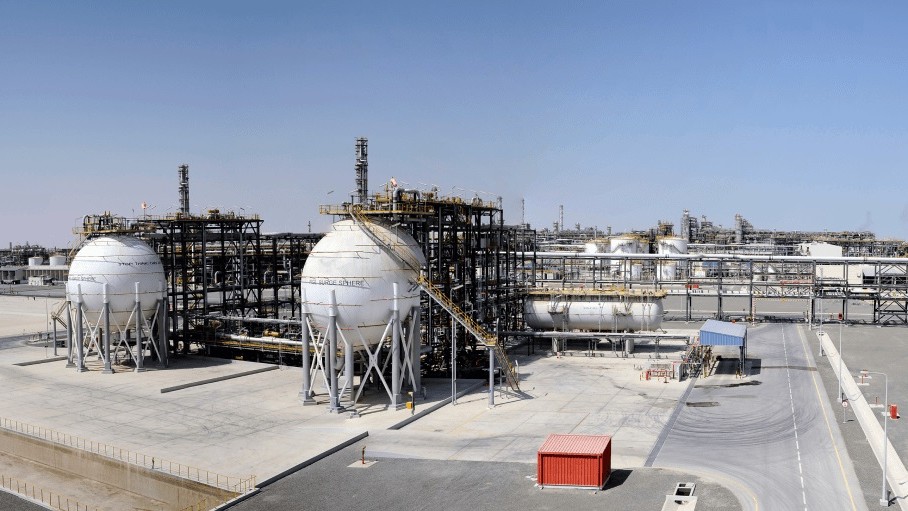
The Strait of Hormuz, the Middle East's most critical energy chokepoint, is effectively closed as Iranian attacks on commercial vessels persist, sending shockwaves through global supply chains. The narrow waterway — just 21 miles across at its narrowest point — normally carries roughly a fifth of global oil consumption and serves as a vital artery for Middle East LPG shipments to Asia. While crude oil and natural gas disruptions have dominated headlines, liquefied petroleum gas (LPG) has emerged as another casualty of the crisis — one with far-reaching implications for energy markets worldwide.
The United States leads the world in LPG exports by a substantial margin. However, Gulf nations remain vital to global supply: Saudi Arabia, the UAE, and Qatar are all major LPG exporters now cut off by the strait's closure. The conventional LPG supply chain, long anchored in the Middle East, faces unprecedented pressure from both rising US exports and escalating geopolitical turmoil.
The impact on the LPG market has been stark. Exports from Saudi Arabia, Qatar, the UAE, and Iran — whose tankers were recently turned back by a US Navy blockade — have slowed significantly since the conflict began. Before the war, approximately 54 oil, chemical, and LPG tankers transited Hormuz daily. By late May, that traffic had collapsed to an average of just 11 vessels per day.
Pricing data reflects the tightening supply. During the height of the conflict in early March, propane prices from the Texas Gulf Coast surged nearly 10%, reaching new highs as the strait's closure constrained global supply. By mid-June, the cost per gallon of propane was up roughly 25% compared to pre-war levels in February.
The crisis has laid bare the risks of overreliance on a single maritime chokepoint. It has also underscored the role of agile private commodity traders capable of identifying alternative routes to sustain supply chains. The comparatively lower risk profile and potentially reduced insurance costs associated with US export flows — as opposed to those originating from the Arab Gulf — have realigned the logistics of global LPG trade.
The Shale Revolution and America's LPG Ascent
The United States rose to become the world's leading LPG producer on the back of the shale revolution of the 2000s, which generated such a dramatic increase in propane and butane output that domestic demand could not absorb the surplus. During the 2010s, the US transitioned from a net propane importer to a major exporter, ultimately establishing itself as a driving force in global LPG commerce.
Today, just four countries supply approximately 60% of the world's LPG, while most of the global population depends on imports. Asia, Europe, most of South America, and several African nations are all net importers with growing demand for cleaner-burning fuel used in cooking, heating, and transportation. LPG also serves as a critical feedstock for petrochemical manufacturing — particularly for propane dehydrogenation plants across Asia that produce propylene, a building block for plastics — meaning supply disruptions ripple into industrial supply chains beyond the energy sector.
As the need for cleaner fossil fuels grows, analysts project steady expansion in the LPG market. Propane volumes are increasing to over 213 million metric tonnes in 2026 and are projected to reach 260 million mt by 2031, according to market data. Asia is absorbing an oversupply of LPG this year amid rising shipments, with a significant portion originating from the United States. India, which has traditionally sourced LPG from the Middle East, is now shifting toward American propane — a notable realignment given that India is among the world's largest LPG consumers for household cooking, supported by government subsidy programs that expand access to cleaner-burning fuel in place of wood and biomass.
Sanctions and Shifting Trade Flows
Beyond the Middle East and US Gulf Coast dynamics, sanctions imposed on Russia following its invasion of Ukraine have further reshaped the market. Historically a key LPG supplier to European and Mediterranean markets, Russia has seen EU sanctions divert its trade flows elsewhere, pushing Europe toward greater reliance on US imports.
As the US ramps up exports and the global LPG market expands, private commodity traders are the entities physically moving supply. LPG-focused trader BGN Group was reported to be the largest offtaker of US-sourced LPG in 2025. The firm operates globally, manages its own fleet, and handles over 10 million mt of LPG annually through a US subsidiary based in Houston. Other key players include Petredec, a significant buyer of American LPG, and Mitsui, the Japanese trading house supplying rapidly growing markets in the Far East.
In periods of conflict and severe market disruption, commodity traders with large, flexible fleets play a critical role in maintaining the continuity of supply chains.
The current geopolitical landscape has accelerated the United States' consolidation as the world's preeminent LPG supplier. The market for propane and butane is evolving rapidly, with traditional trade architectures being fundamentally rewritten. Traders aligned with US supply chains and positioned in high-demand markets are adapting to this realignment, with BGN Group among the most prominent beneficiaries.
By Jose Chalhoub for OilPrice.com

