Strait of Hormuz Draft Agreement Awaits Iran's Supreme Leader Approval
Key Takeaways
- •The proposed agreement would split transit through the Strait of Hormuz, with inbound ships using Iranian-controlled waters and outbound vessels taking an Omani-administered route.
- •Transit fee disagreements remain a major stumbling block, as Iran seeks 5-7% of cargo value, Oman proposes 3%, and the United States rejects any payment to Iran for passage.
- •Daily ship transits through the strait have collapsed from approximately 130-140 to just eight since the U.S.-Israeli conflict with Iran began on February 28.
- •Brent crude prices briefly fell on news of a potential deal before recovering to around $80 per barrel as attacks on regional shipping persisted.
- •Ongoing assaults on vessels across the Red Sea and Gulf, including Houthi missile strikes and explosive boat attacks, threaten the viability of any diplomatic arrangement.
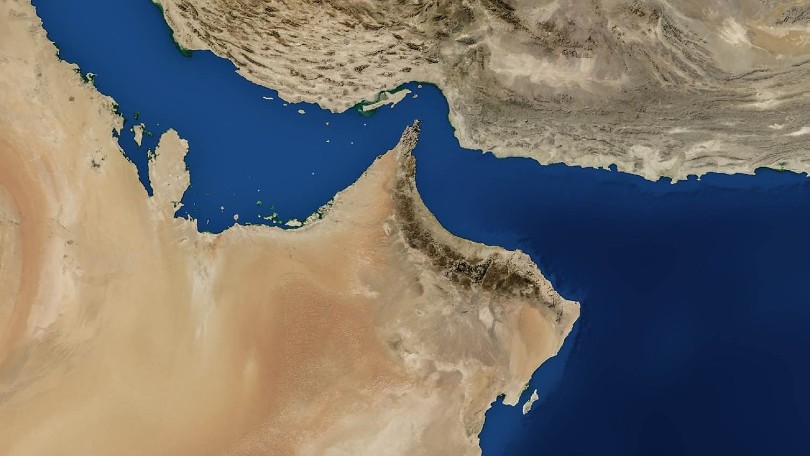
Oil markets are awaiting a decision from Iran's Supreme Leader Ayatollah Ali Khamenei after Iranian and Omani negotiators reportedly completed a draft agreement that could reopen the Strait of Hormuz, the primary export route for Persian Gulf oil and liquefied natural gas (LNG). Under normal conditions, roughly a fifth of global oil consumption passes through the strait daily, along with substantial Qatari and Emirati LNG shipments, making it one of the most economically critical maritime chokepoints in the world.
Two regional officials briefed on the talks told the Associated Press on Wednesday that the draft had been finalized, hours after U.S. President Donald Trump said an announcement could come as early as Wednesday or Thursday.
The proposed temporary arrangement would direct ships entering the Persian Gulf through waters controlled by Iran, while vessels exiting the Gulf would use a route administered by Oman. The agreement would revive elements of the U.S.-Iran memorandum reached in June, which collapsed after attacks on commercial shipping resumed.
Transit fees remain a significant obstacle. Reuters reported that Tehran is seeking payments equivalent to between 5% and 7% of cargo value, while Oman has proposed a 3% charge. The Trump administration has rejected any arrangement that would require ships to pay Iran for passage through what had been an open international waterway prior to the conflict—a stance consistent with longstanding U.S. policy that the strait must remain free for navigation under international law.
The diplomatic push comes as traffic through the Strait of Hormuz remains a fraction of normal levels. Eight ships crossed the strait on Tuesday, according to data from commodity analytics firm Kpler, compared with roughly 130 to 140 daily transits before the U.S.-Israeli war with Iran began on February 28.
Oil prices initially declined on expectations that an agreement could restore Gulf exports, before Brent crude recovered to approximately $80 per barrel as attacks on regional shipping continued.
The Houthis said Wednesday that they fired ballistic missiles at the Saudi tanker Wafa near the Red Sea port of Yanbu. A separate Indian-flagged vessel sank off Yemen on Tuesday after being struck by an explosive-laden boat, while another cargo ship reported being hit near Oman's Al Khasab port in the Strait of Hormuz. The spread of violence across multiple maritime routes—from the Red Sea to the Gulf—underscores the challenge facing any agreement on paper, particularly given that the June memorandum between Washington and Tehran collapsed under similar conditions.
Source: OilPrice.com — By Charles Kennedy

