UCLA Researchers Convert Plastic Waste Into Pure Hydrogen Fuel Using Single-Reactor Method
Key Takeaways
- •Researchers from UCLA and Ewha Womans University developed an Alkaline Thermal Treatment process that converts common unsorted plastics into high-purity hydrogen with zero carbon emissions.
- •A Chinese research team produced hydrogen from agricultural waste sugars at approximately $1.54 per kilogram, making it cost-competitive with fossil fuel-derived gray hydrogen.
- •Only 7% of announced global green hydrogen projects were completed on schedule in 2023, underscoring a significant implementation gap in the industry.
- •The global oil and gas crisis triggered by the U.S. and Israel's war in Iran has renewed strategic interest in green hydrogen as a fossil fuel alternative.
- •China, Europe, and the United States are accelerating hydrogen investment through policy tools including the U.S. Inflation Reduction Act's clean hydrogen tax credit and the EU Hydrogen Bank's auction mechanisms.
Green hydrogen was once hailed as a silver bullet for decarbonizing hard-to-abate sectors such as shipping and steelmaking. After years of stalled commercialization efforts, the technology is experiencing a revival, driven by a series of scientific breakthroughs and renewed interest in fossil fuel alternatives amid the global oil and gas crisis triggered by the United States' and Israel's war in Iran.
Hydrogen is widely used in industrial processes and can be combusted at high temperatures similarly to natural gas, heavy fuel oil, or thermal coal, while emitting only water vapor. However, its environmental credentials depend entirely on how it is produced. The majority of hydrogen currently used in industrial applications is classified as gray hydrogen, which is produced using fossil fuels. Green hydrogen, by contrast, is manufactured using renewable energy sources — but it carries its own set of limitations.
A 2022 report from the International Renewable Energy Agency (IRENA) cautioned against the "indiscriminate use of hydrogen," urging policy-makers to carefully weigh priorities. The report warned that extensive deployment of green hydrogen "may not be in line with the requirements of a decarbonised world" because it "requires dedicated renewable energy that could be used for other end uses." Additionally, green hydrogen production has often proven too costly to serve as a practical replacement for fossil fuels.
Recent breakthroughs, however, have opened new pathways for hydrogen generation that could reshape the economics and efficiency of green hydrogen. Researchers from the UCLA Samueli School of Engineering and Ewha Womans University in South Korea have developed a method to convert plastic waste into pure hydrogen through a process known as Alkaline Thermal Treatment (ATT).
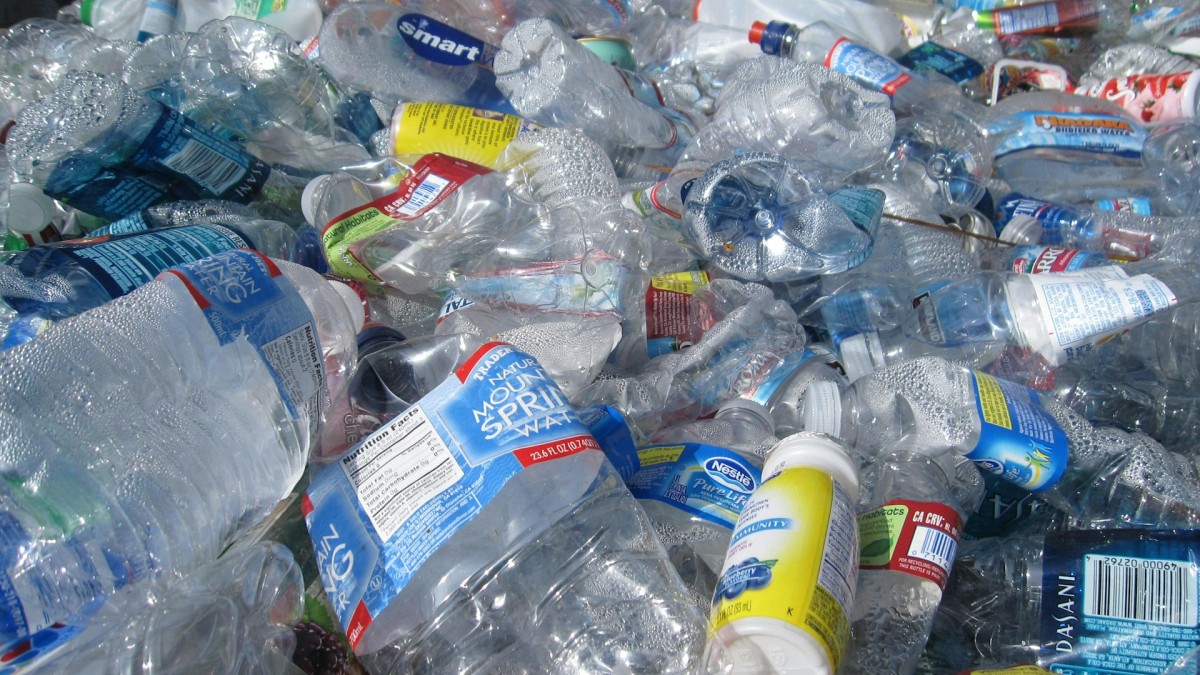
The approach addresses two converging environmental crises simultaneously. Global plastic production exceeds 400 million tonnes annually, yet the OECD estimates that only about 9 percent of plastic waste has ever been recycled, with the remainder accumulating in landfills, incinerators, and natural environments. Converting this persistent waste stream directly into hydrogen fuel offers a dual benefit that conventional green hydrogen production, which relies on dedicated renewable electricity, does not.
Remarkably, the technique can produce high-purity hydrogen from recyclable materials without requiring the plastics to be sorted beforehand. Using a single reactor, the method transforms some of the most common and difficult-to-recycle plastics — polyethylene terephthalate (PET), polyethylene (PE), and polypropylene (PP) — into hydrogen fuel via a heat trigger, with zero carbon emissions. The research findings were published this month in the scientific journal PNAS.
"We are solving two urgent global problems at the same time," Ah-Hyung "Alissa" Park, professor of chemical and biomolecular engineering at UCLA and co-corresponding author of the study, told Interesting Engineering. "Plastic waste is accumulating at alarming rates, and clean hydrogen is essential for decarbonizing energy. This technology tackles both of these challenges in a creative and scalable way."
The UCLA discovery is the latest in a growing field of research focused on converting waste products into clean hydrogen. Earlier this year, a research team in China successfully converted sugars derived from agricultural waste such as wheat stalks into hydrogen. That method significantly reduces production costs compared to standard green hydrogen processes, coming in at approximately $1.54 per kilogram (around $0.70 per pound) — a price point that makes it competitive with gray hydrogen and that approaches the U.S. Department of Energy's Hydrogen Shot target of $1 per kilogram within a decade.
This wave of innovation follows a prolonged period in which green hydrogen appeared to be losing momentum. In 2023, fewer than ten percent of planned green hydrogen projects reached completion. A study tracking 190 projects over three years identified "a wide 2023 implementation gap with only 7% of global capacity announcements finished on schedule."
Interest in green hydrogen research has since rebounded as its strategic importance to energy security has become increasingly apparent against the backdrop of extreme oil market volatility. China, Europe, and the United States are all intensifying efforts to accelerate hydrogen investment — including through the U.S. Inflation Reduction Act's clean hydrogen production tax credit and the EU Hydrogen Bank's auction mechanisms — and the renewed focus is beginning to yield tangible results.

