Goldman Sachs Warns Oil Could Hit $120 as Shipping Risks Rise
Key Takeaways
- •Goldman Sachs warned oil could reach $120 per barrel if Middle East shipping attacks intensify.
- •The U.S. said it struck three Iranian oil tankers after the IRGC targeted two U.S. warships with ballistic missiles.
- •Iran said future retaliation would be faster and heavier and announced plans for an exclusion zone extending toward the Strait of Hormuz.
- •The Strait of Hormuz typically handles roughly a fifth of global petroleum liquids consumption, according to the U.S. EIA.
- •Brent crude traded above $97 per barrel and WTI above $92 on Monday, their highest levels since mid-July.
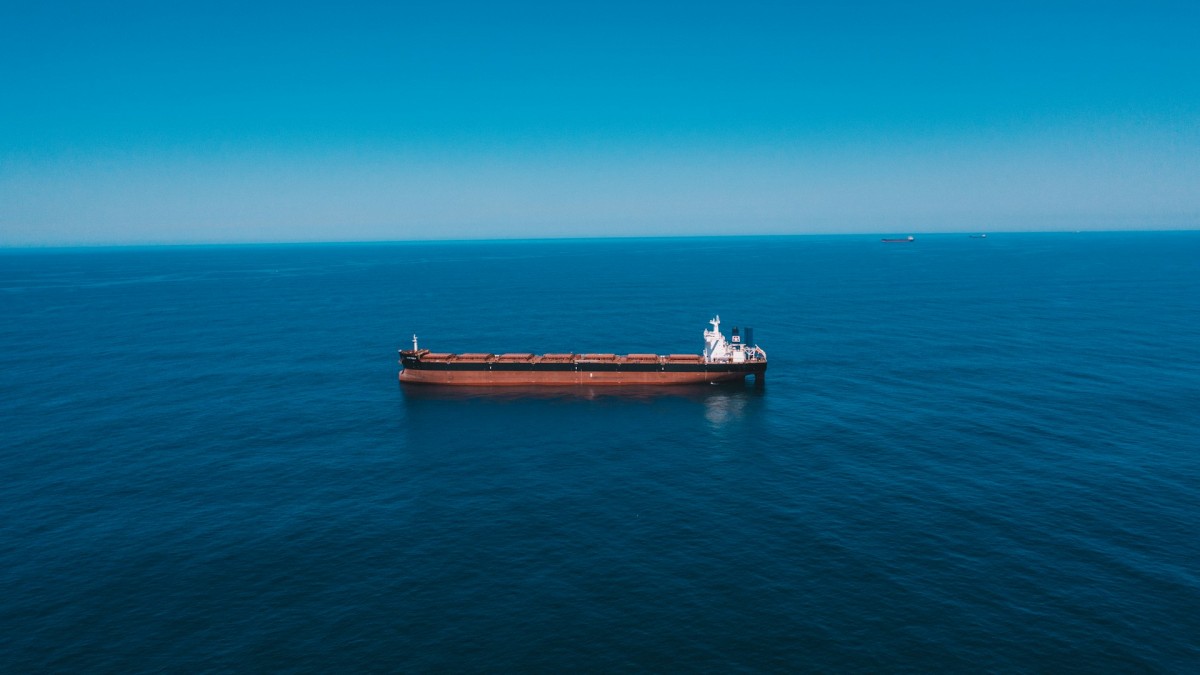
Oil prices could surge to as much as $120 per barrel if attacks on shipping in the Middle East intensify, according to Goldman Sachs.
"Events over the last few days do suggest that the risk of shipping disruptions broadening and intensifying is an important one," Daan Struyven, co-head of global commodities research at Goldman Sachs, told Bloomberg TV in an interview on Monday.
Oil prices have rallied in recent days amid the re-escalation of hostilities and jumped early on Monday in Asian trading to their highest level since mid-July, nearing the $100 per barrel threshold.
The situation escalated further this weekend after the U.S. said it had struck three Iranian oil tankers in response to the IRGC targeting two U.S. warships with ballistic missiles.
Following the attacks, Iranian parliament speaker Mohammad Bagher Qalibaf said the era of "proportionate responses" is now over, warning that future retaliations from Iran will be "faster, heavier and more painful."
Iran also said it would announce in the coming days a new "exclusion zone" which "will begin from the line of the U.S. naval blockade, extend toward the Strait of Hormuz, and from this side continue into the Persian Gulf."
"Any ship that enters this area with the intention of passing through the Strait of Hormuz and is identified will be placed on our sanctions list," Mohsen Rezaei, the new head of Iran's Supreme National Security Council, said on Sunday.
The stakes for global energy markets are high: the Strait of Hormuz is one of the world's most important oil chokepoints, with roughly a fifth of global petroleum liquids consumption typically passing through it, according to the U.S. Energy Information Administration. Shipping through the strait and the Persian Gulf has faced repeated disruption risk in past regional confrontations, and threats of blockades or exclusion zones have historically pushed up tanker insurance costs and freight rates.
Early on Monday, Brent Crude traded at over $97 per barrel, while the U.S. benchmark, WTI Crude, was above $92 a barrel.
Goldman sees "meaningful upside to crude oil prices," Struyven told Bloomberg, but added that investors should bet on rising natural gas and refined product prices. In gas and fuels, "the supply shocks are bigger than in the crude market," he said. Watch in the coming days for Iran's announcement of the details of its planned exclusion zone and any further strikes or retaliation, which markets are treating as the key variables for how much supply risk is ultimately priced in.
By Tsvetana Paraskova for Oilprice.com.
