Gold and silver rebound from steep selloff, but investors stay cautious
Key Takeaways
- •Gold reached about $5,586 an ounce and silver hit $121.785 an ounce before both metals reversed sharply at the end of January.
- •By late June, gold had fallen about 28.5% from its peak, while silver had dropped 58% from its high to a mid-July low.
- •Gold and silver recovered in late spring and early summer as crude oil prices peaked, the Middle East conflict settled into a stalemate, and interest rates did not rise further.
- •Since bottoming on July 15, GLD has risen 16% and SLV has gained 24%.
- •Investors are awaiting Kevin Warsh’s keynote address at Jackson Hole, where his comments could influence expectations for rates, inflation, and precious metals.
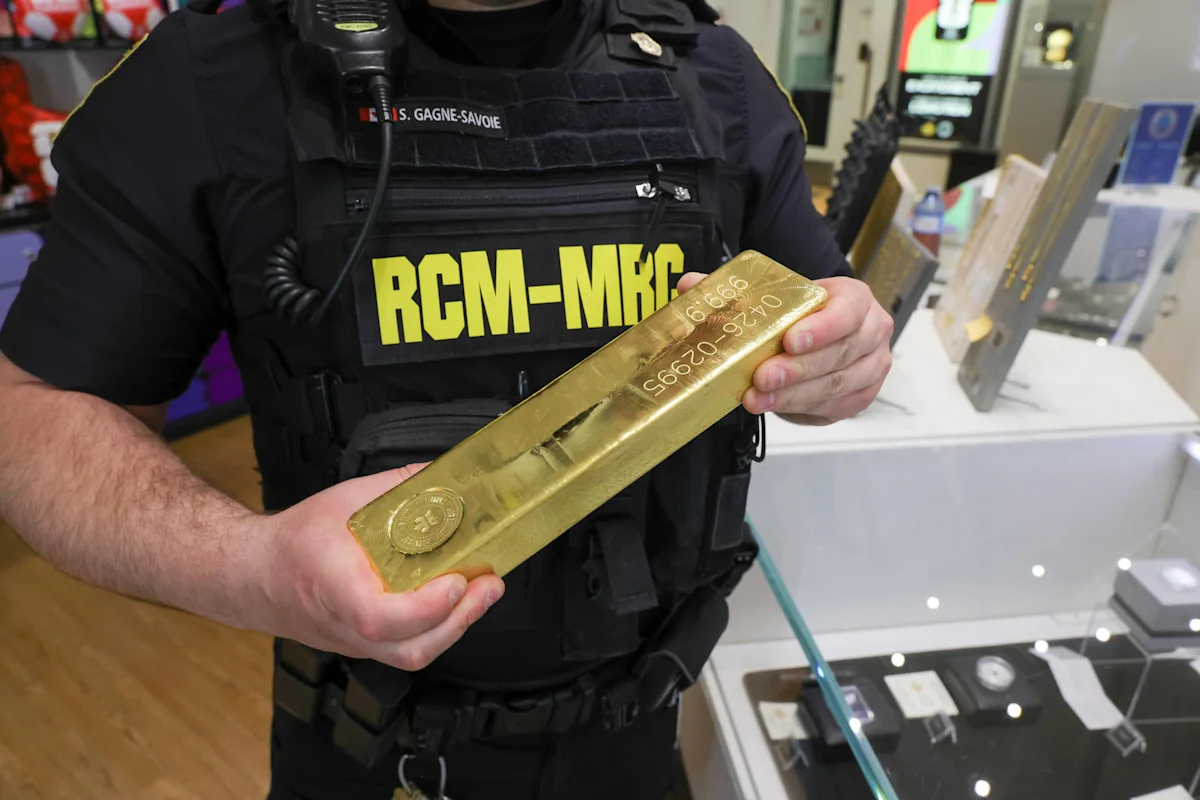
Gold and silver rebound from steep selloff, but investors stay cautious
If you are a fan of gold or silver, you are feeling a bit better about the metals than you were this spring.
Gold has been rising throughout the month, climbing about 14% since July 31 to roughly $4,380 per troy ounce at the Aug. 21 close. Silver has gained nearly 20% to $69.50 an ounce.
Related: After the bubble: Why UBS is still a gold-and-silver fan
That recovery has followed a painful stretch that lasted more than six months, and it has left investors watching whether the rebound can hold after such a sharp reset.
Precious metals surged through 2025 before abruptly reversing at the end of January. Gold peaked at $5,586 an ounce, while silver reached $121.785 an ounce. Both moves pushed prices into seriously overbought territory.
The peak coincided with tighter futures-exchange trading rules, which exchanges impose when they believe activity has become excessive. The changes effectively raised the amount of cash required to trade gold and silver.
More importantly, on Jan. 29, President Donald Trump nominated Kevin Warsh to be the next chairman of the Federal Reserve Board. Former JPMorgan economist Anthony Chan said traders quickly interpreted that as a sign that an inflation hawk would take charge of the central bank and might be more aggressive in fighting domestic inflation, prompting them to reduce positions.
Then the war in the Middle East began, bringing sharply higher oil prices and, with them, higher gasoline and diesel prices.
By the end of June, gold had fallen about 28.5%. Silver had dropped 58% from its $121.79 peak to its mid-July low.
The war, which started on Feb. 28, drove oil prices and inflation higher. Warsh's appointment, along with Wall Street's expectation that the Fed would raise rates in 2026, pushed interest rates up as well, a combination that was unfavorable for metals.
A break in the summer
The trend shifted in late spring and early summer for three reasons:
- Crude oil prices peaked in the late spring.
- The war settled into what is essentially a stalemate, despite continuing drone and missile attacks from the United States and Iran. When there is no shelling, oil and fuel prices fall.
- Warsh and the Fed have not yet raised interest rates.
Together, those developments gave gold and silver new momentum and helped related exchange-traded funds recover. Since bottoming on July 15, the SPDR Gold Shares exchange-traded fund (GLD) has risen 16%, while the iShares Silver Trust (SLV) has gained 24%.
Citigroup analysts believe gold could end this year above $5,000 and reach $6,000 in 2027.
A fresh catalyst emerged this month when Treasury Secretary Scott Bessent said the United States would buy back long-dated Treasury bonds in an effort to lower Treasury yields.
Part of the move is aimed at easing rates that had been rising since the Persian Gulf war began, as bond investors concluded that the costs of the war would be much greater than expected and difficult to predict. Another goal is to bring the U.S. dollar more into balance with the Japanese yen, which has been weakening because Japan's government deficits are larger than those in the United States, at about 200% of gross domestic product.
Some investors also chose hard assets such as gold, silver and other metals instead of Treasury securities that could lose value if interest rates continue to rise.
Bessent's effort worked for one day, but yields rose again on Aug. 20 and Aug. 21 after several analysts argued that the campaign would not be effective.
The 10-year Treasury yield stood at 4.736% on Aug. 21, up nearly 13.5% for the year and almost 20% since the war started on Feb. 28. The 30-year Treasury yield reached 5.275% that same day, up nearly 9% in 2026 and 14.3% since the war began.
More Gold & Silver:
- Robert Kiyosaki has a bold call on gold and silver
- Peter Schiff sees something big in gold and silver
- BofA sees lost year taking shape for gold
The new Fed boss will have his say
The situation remains fluid and unclear, especially with Kevin Warsh and the Federal Reserve.
Warsh has said the Fed will follow through on its pledge to deliver price stability, but he has provided few details as he works to refocus the central bank.
Investors are looking for clarity on Friday, when Warsh is scheduled to deliver the keynote address at the Jackson Hole Economic Policy Symposium in Wyoming at 10 a.m. ET.
Traders and money managers around the world will be watching closely, because any signals on rates, inflation, or the Fed's posture could shape how markets interpret the recent rebound in precious metals.
Are gold and silver right for investors?
Investors can buy both metals if they believe deficits in the United States and elsewhere are becoming dangerously out of control.
One simple way to gain exposure is through the SPDR Gold Shares exchange-traded fund (GLD) or the iShares Silver Trust ETF (SLV). Both are easy to buy and sell. If you believe gold and silver are moving higher, the funds offer direct exposure to the metals.
Because both funds hold gold and silver directly, returns are subject to market forces. The post-January decline was severe.
Still, the lows for each metal did not fall back to 2023 or 2024 levels, leaving the current rebound above those prior-year floors.
Related: HELOC rates are 7.31%. Why that's actually good news
This story was originally published by TheStreet on Aug. 23, 2026, where it first appeared in the Economy section. Add TheStreet as a Preferred Source by clicking here.

