Fed Chair Comments Spark Gold Rally as Dollar Weakens and Stocks Decline
Key Takeaways
- •Former Federal Reserve Board governor Kevin Warsh stated that market forces, rather than central bank action alone, will ultimately determine the direction of interest rates.
- •Warsh's comments triggered a market response characterized by rising gold prices, a declining U.S. dollar, and lower equity markets.
- •Epstein identified escalating geopolitical tensions involving Iran as a factor potentially driving energy inflation and supporting metals market gains.
- •Both gold and silver have demonstrated resilience amid the interplay of monetary policy expectations and energy-driven cost pressures.
- •The combination of Warsh's rate commentary, dollar weakness, Iran-related risks, and persistent inflation concerns has reinforced upward momentum in precious metals.
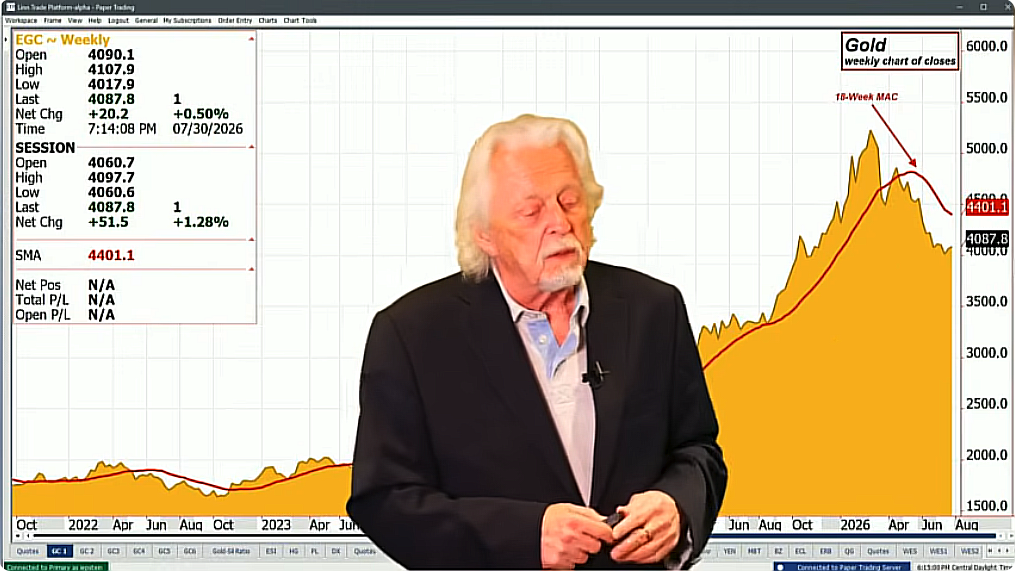
Fed Chair Comments Spark Gold Rally as Dollar Weakens and Stocks Decline
In his latest Metal Market Wrap-Up, Ira Epstein of IraEpstein.com and LINN & Associates examined recent market events and their impact on the metals sector, noting that severe weather conditions had disrupted operations in his area, though backup systems allowed work to resume.
A central focus of Epstein's analysis was the Federal Reserve's current policy stance. He highlighted comments from Kevin Warsh suggesting that market forces, rather than central bank action alone, will ultimately dictate the direction of interest rates. Warsh, who served as a Federal Reserve Board governor from 2006 to 2011 and has been periodically cited as a potential future Fed chair candidate, carries weight in monetary policy debates. Those remarks triggered a notable market reaction: gold prices surged, the U.S. dollar declined, and equity markets moved lower. The dollar's weakness reinforced gold's appeal, as the two assets typically move in opposite directions—when the dollar depreciates, dollar-denominated gold becomes less expensive for holders of other currencies, often lifting demand.
Epstein also addressed escalating geopolitical tensions involving Iran and their potential consequences for energy inflation. He indicated that these tensions, combined with broader inflationary pressures, are contributing factors behind the metals market's recent trajectory. Gold is widely regarded as a traditional hedge against both inflation and geopolitical uncertainty, a role that has underpinned its performance during prior periods of global instability. Both gold and silver have demonstrated resilience in this environment, holding firm as investors weigh the interplay between monetary policy expectations and energy-driven cost increases.
The convergence of these elements—Warsh's comments on rate determination, dollar weakness, geopolitical risk tied to Iran, and persistent inflation concerns—has reinforced the upward momentum in precious metals, according to Epstein's assessment.

