Gold Nears Two-Month High as Markets Await CPI Report and Iran Deal Stalls
Key Takeaways
- •Gold approached $4,450 per ounce to hit its strongest level in approximately two months, while silver traded above $65 for a second consecutive session at a seven-week high.
- •Friday's jobs report showing the U.S. economy lost 23,000 positions in July lowered the market-implied probability of a September Fed rate hike from 67% to 46%, supporting precious metals.
- •A stalled U.S.–Iran agreement to reopen the Strait of Hormuz pushed Brent crude toward $90 and WTI above $84 per barrel, keeping inflation concerns alive ahead of Wednesday's CPI report.
- •Barrick Mining shares fell as much as 9.7% after Newmont agreed to pay $1.95 billion for its stake in the Fourmile project, a price analysts at RBC valued well below the project's estimated $11 billion worth.
- •China's central bank added approximately 20 tons of gold to its reserves in July, marking its 21st consecutive month of purchases as part of a broader emerging-market trend of diversifying away from the U.S. dollar.
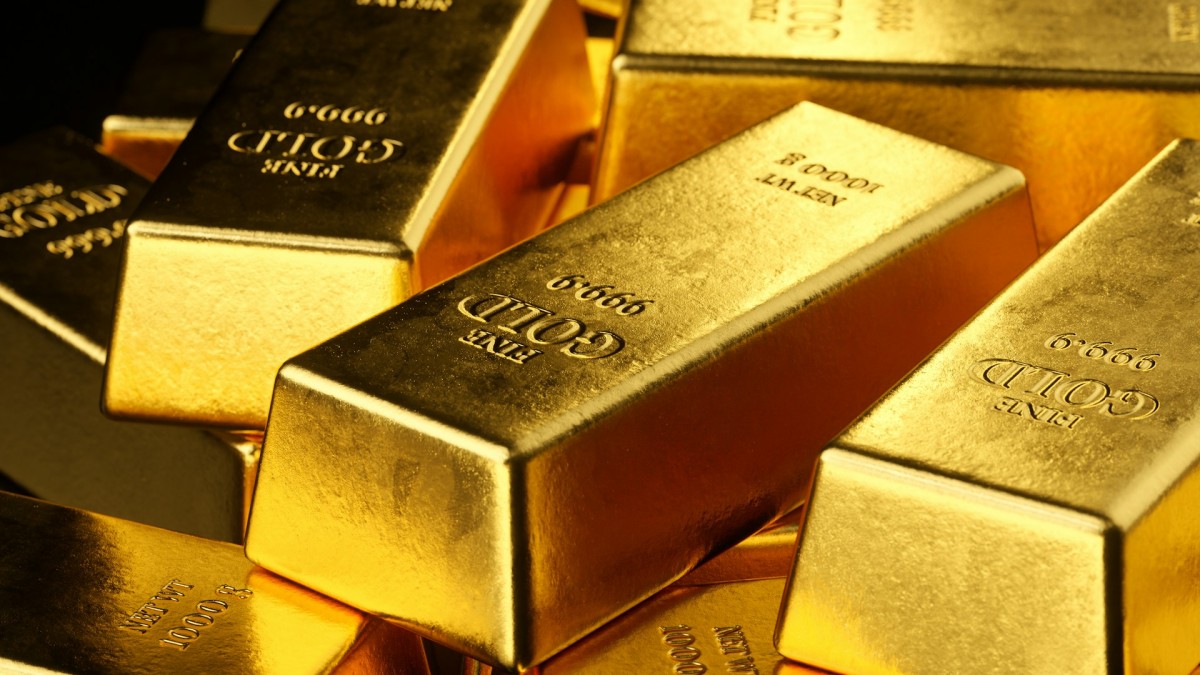
Gold approached $4,450 an ounce on Tuesday, reaching its strongest level in approximately two months, as a stalled U.S.–Iran agreement to reopen the Strait of Hormuz kept oil prices elevated and traders positioned themselves ahead of Wednesday's inflation report — data that could determine whether a September Federal Reserve rate hike is truly off the table. Silver also advanced, trading above $65 for a second consecutive session and extending its rally to a seven-week high.
The precious metals rally traces its origins to Friday's jobs report, which revealed that the U.S. economy shed 23,000 positions in July. That figure pushed the market-implied probability of a September rate hike down to 46%, from 67% a week earlier, according to Kalshi pricing. Lower rate expectations tend to support gold, which competes with interest-bearing assets for investor capital.
However, elevated oil prices are complicating the dovish interpretation. Brent crude climbed toward $90 a barrel and WTI topped $84 on Tuesday morning, with both benchmarks extending Monday's surge of more than 5%. The rally followed President Trump's demand that Iran pay compensation for war damage — a fresh sticking point that undermined last week's optimism about a deal, brokered with Oman's involvement, to unblock the strait, through which roughly one-fifth of global oil supply transits.
"There appears to be a gulf, no pun intended, between the U.S. and Iran," Tim Waterer, chief market analyst at KCM Trade, told Reuters.
Economists surveyed by Kiplinger expect Wednesday's July CPI report to show headline inflation rising 0.1% on the month and 3.4% year over year, with core prices increasing 2.5% annually. These figures will land in a market still weighing whether cooling labor data or oil-driven inflation risk will prevail before the Fed's September meeting.
In the mining sector, Barrick Mining absorbed significant losses, sliding as much as 9.7% on Monday — its worst single-day decline since March — after agreeing to fold its Fourmile discovery into the Nevada Gold Mines joint venture for what analysts characterized as an insufficient payment. Newmont will pay Barrick $1.95 billion and contribute its Mike and Fiberline projects, resolving a dispute that had delayed Barrick's planned North American IPO. RBC analyst Josh Wolfson valued all of Fourmile at approximately $11 billion, placing Newmont's 38.5% stake closer to $4.2 billion — well above the price it paid. Barrick CEO Mark Hill defended the valuation on an earnings call, telling analysts that the deal's total value, including resolved litigation, runs closer to $4 billion. Barrick shares closed Monday near $40.88, while Newmont gained approximately 3%.
Beneath the daily price fluctuations, the structural demand for gold continues to build. China's central bank added 640,000 ounces, or roughly 20 tons, to its reserves in July — its 21st consecutive month of purchases and the largest single addition since 2023. The buying forms part of a broader trend among emerging-market central banks diversifying reserves away from the U.S. dollar. The World Gold Council reports that global central bank gold purchases surged more than 60% year over year in the second quarter, reaching 289 tonnes.
"Gold remains in an explosive phase of the price process," Deutsche Bank analyst Michael Hsueh wrote, with the bank now projecting $4,700 an ounce by year-end. State Street's Aakash Doshi places $5,000 as a possibility if central bank and emerging-market buying maintains its current pace into 2027.
For now, gold and silver remain caught between two opposing forces: a labor market cooling rapidly enough to justify a Fed pause, and an oil-fueled inflation concern that Wednesday's CPI print could either confirm or alleviate.
By Michael Kern for Oilprice.com
Source: OilPrice.com

