Global Diesel Supply Crisis Deepens as Peak Winter Demand Approaches
Key Takeaways
- •Russia, the world's second-largest diesel exporter, has imposed an export ban to address a domestic supply shortage caused by Ukrainian drone strikes on its refineries.
- •U.S. diesel exports reached a record 1.9 million barrels per day in early August, while domestic stockpiles dropped to their lowest level since 1996.
- •European diesel prices have risen 40% since mid-June compared to only a 5% increase in crude oil prices, signaling that refining capacity rather than crude availability is the primary constraint.
- •The EU has lost approximately 30 refineries between 2009 and 2024, with an additional 400,000 barrels per day of capacity scheduled to shut down in 2025.
- •Analysts caution that American Gulf Coast refiners cannot sustain record diesel export volumes to Europe indefinitely, and Asia faces its own supply challenges that make sharing diesel unlikely.
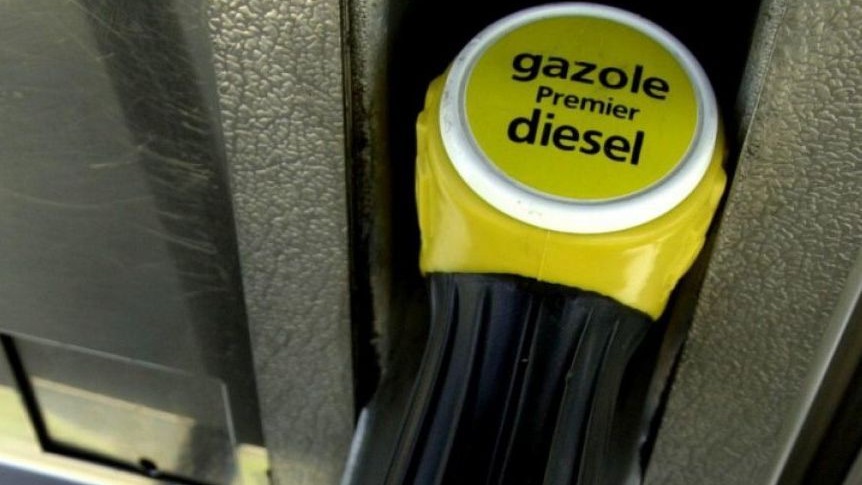
A global diesel supply crisis is intensifying as geopolitical conflicts disrupt refining capacity worldwide, with demand set to climb in the coming months during peak winter consumption. In Europe alone, diesel-type gasoil is not only the primary freight and industrial fuel but also a major residential heating fuel, making the winter demand surge especially acute.
Shortages have already materialized in several regions. In Southeast Asia, palm oil farmers are experiencing diesel supply disruptions and soaring prices, Reuters reported last week. In the United States, diesel exports reached an all-time high during the first week of August, averaging 1.9 million barrels per day. Meanwhile, Russia — the world's second-largest diesel exporter — has imposed an export ban to address a domestic supply squeeze triggered by Ukrainian drone strikes on its refineries.
For major fuel importers such as the European Union, the situation is becoming increasingly precarious. The EU formally banned seaborne imports of Russian refined products in February 2023, fundamentally rerouting global diesel trade flows. The bloc now faces heightened competition from countries like Brazil and Turkey, which previously absorbed substantial volumes of Russian diesel. With that supply no longer available, these nations must now compete for U.S. barrels, while supply from the Middle East — the other major refining hub — remains severely disrupted by regional conflict.
The EU's refining capacity has been shrinking for years. Between 2009 and 2024, as many as 30 refineries shut down across the bloc, and an additional 400,000 barrels per day of capacity is slated for closure in 2025, according to Argus Media. Brussels' increasingly stringent emission reduction regulations have substantially raised costs for refiners, leaving the trade-oriented bloc far more exposed to global supply shocks.
"Europe has a tremendous diesel problem," Eugene Lindell, head of refined products at consultancy FGE NexantECA, told Bloomberg. "It will get ugly in the sense that you will probably see extremely high flat prices." According to Lindell, those elevated prices will ripple through consumer goods and services, ultimately translating into political pressure.
Joe DeLaura, senior energy strategist at Rabobank, told the Wall Street Journal earlier this month: "We're in a diesel supply crunch right now because none of the Persian Gulf refineries can get product out. Crude oil is just the input, but diesel is everything the industrial economy runs on. Everything in agriculture, everything in construction, everything in mining. Also everything on the supply and distribution side runs on diesel."
Major oil companies have also been warning of a fuel supply squeeze that they consider more serious than the crude oil shortfall. However, this has drawn criticism rather than policy action. President Trump told Exxon and Chevron they were earning excessive profits and should pass some of those gains on to consumers, as OilPrice reported.
The record U.S. diesel export levels are coming at a domestic cost. Export volumes had held at 1.5 million barrels per day for five consecutive weeks before climbing to the all-time high, Bloomberg reported. Since refineries cannot increase diesel production further, fuel sellers have been drawing down inventories. U.S. diesel stockpiles have fallen to their lowest level since 1996, just as peak demand season approaches and refinery maintenance season looms.
Price movements underscore the severity of the supply situation. In Europe, diesel prices have surged 40% since mid-June, while crude oil prices have risen only 5% over the same period. The widening gap between diesel and crude prices — known in the industry as the "crack spread" — signals that refining capacity, not raw crude availability, is the binding constraint. EU diesel inventories have contracted by 30% since March, and the bloc has cut off access not only to Russian fuels directly but also to fuels refined from Russian crude in third countries.
This dynamic leaves European importers even more dependent on U.S. supply, but analysts caution that American export volumes cannot sustain record levels indefinitely. "Gulf Coast refiners can't keep exporting diesel to Northwest Europe indefinitely. They have their own fish to fry," Zameer Yusof, Kpler's head of clean petroleum products, told Bloomberg.
Asia faces its own supply challenges and is unlikely to share diesel with European buyers. "We never fully recovered from refining losses in the Middle East, and have also lost Russian capacity," said June Goh, an oil analyst at Sparta Capital. "The misery of Europe is not an immediate crisis, but one down the line."
Compounding the energy challenge, the Iran war has upended global LNG markets, and EU natural gas storage levels are well below the seasonal average. Analysts have warned that gas shortages could emerge by winter, yet buyers continue waiting for lower LNG prices — which appear unlikely in the current environment.
For large energy importers, near-term relief in global diesel supply appears improbable.
By Irina Slav for OilPrice.com

