Pound Sterling Falls Against US Dollar as Risk Aversion Lifts Greenback
Key Takeaways
- •The Pound fell notably against the US Dollar as investors moved toward safer assets during a risk-off market shift.
- •The source did not name a specific trigger but cited concerns over growth, geopolitics and central bank policy expectations.
- •GBP/USD moved below key technical support levels, with thin liquidity and stop-loss orders intensifying the decline.
- •A weaker Pound can increase costs for UK importers and consumers while improving price competitiveness for exporters.
- •Market participants are monitoring UK and US data, Bank of England and Federal Reserve signals, and broader risk sentiment.
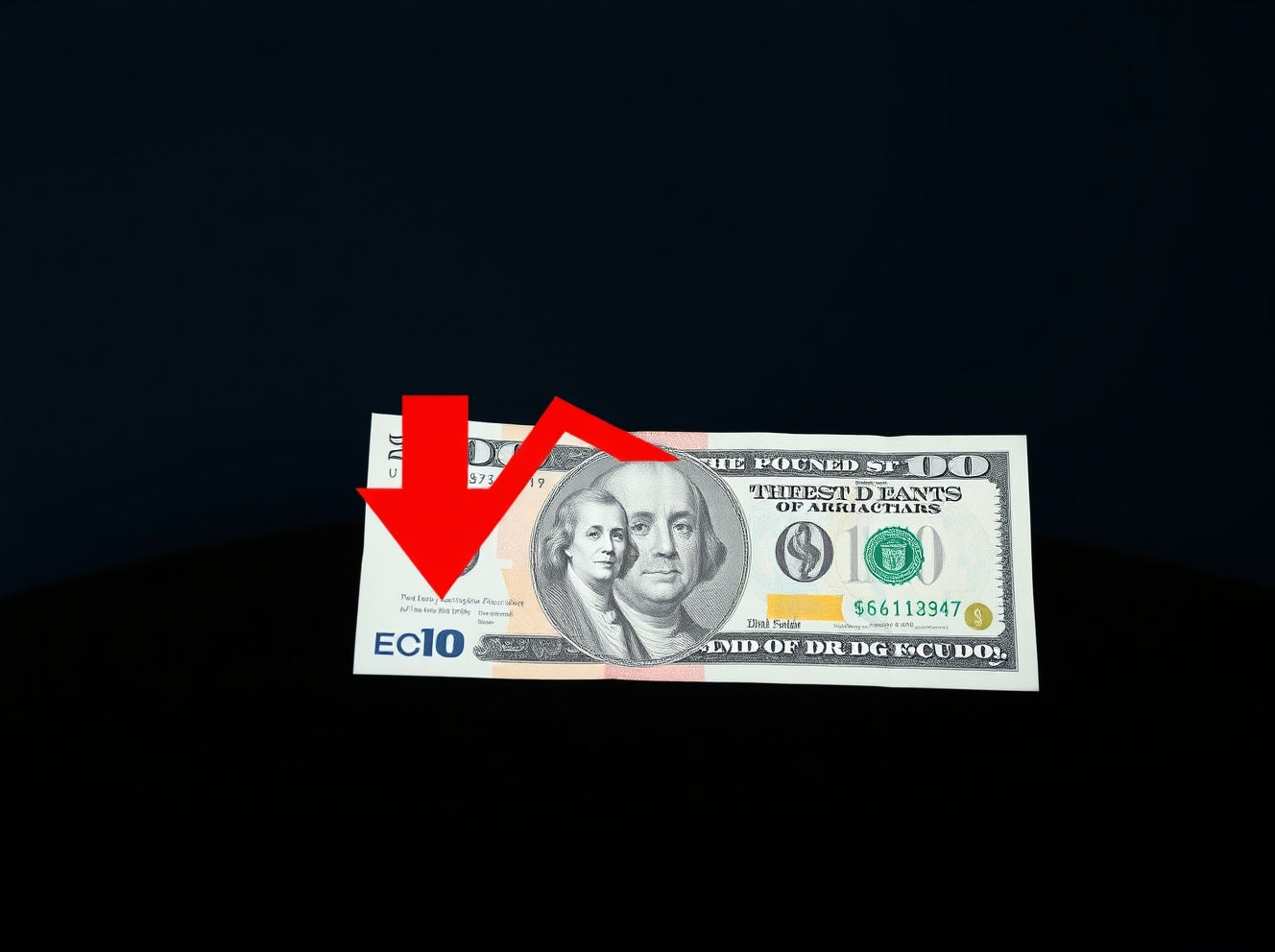
The British Pound (GBP) fell sharply against the US Dollar (USD) on an unspecified recent date, as a broader shift toward risk-off sentiment pushed investors toward the safe-haven greenback. The GBP/USD pair declined notably, reflecting increased caution across global financial markets.
Risk Aversion Drives Demand for the US Dollar
The main factor behind the Pound’s decline was a sudden rise in risk aversion among investors. The source cited broad concerns such as global economic growth, geopolitical tensions, or changing expectations around central bank policy as possible drivers of the flight to safety, without identifying a specific catalyst.
The US Dollar, widely viewed as a safe-haven currency during periods of market stress, strengthened broadly against major currencies. The GBP/USD pair was described as one of the more notable movers during the shift. In foreign exchange markets, such moves can be amplified when investors reduce exposure to currencies seen as more sensitive to global risk appetite and increase holdings of highly liquid reserve currencies such as the Dollar.
GBP/USD Technical and Market Conditions
The sharp move lower in GBP/USD pushed the pair through key technical support levels, signaling a possible change in the short-term trend. Traders were watching for additional downside momentum as the next major support levels came into focus.
The decline was also intensified by thin liquidity and stop-loss triggers, which accelerated the move. Market participants were described as pricing in a higher probability of further US Dollar strength as the risk-off tone persisted. When liquidity is limited, fewer available orders can make price swings sharper, while stop-loss orders can add to selling pressure once key levels are breached.
Impact on Traders and UK Businesses
For UK-based traders and companies with exposure to the US Dollar, the weaker Pound has immediate implications. Importers that pay for goods in US Dollars face higher costs, while exporters may receive a temporary competitiveness boost because a weaker Pound can make UK goods cheaper for overseas buyers.
For foreign exchange traders, the current environment presents both opportunities and higher risks. Volatility was expected to remain elevated until broader market sentiment stabilizes. Companies with recurring Dollar payments or receipts may also pay closer attention to hedging costs and exchange-rate assumptions, since sudden currency moves can affect margins and cash-flow planning.
Outlook for Consumers and Market Participants
A weaker Pound can affect UK consumers by making imported goods, including fuel and food, more expensive. That may contribute to inflationary pressure. At the same time, the currency move can support exporters by improving the relative price of their goods in foreign markets.
The decline in Pound Sterling against the US Dollar reflects the risk-off sentiment affecting global markets. The move highlights the Dollar’s safe-haven role and the Pound’s sensitivity to shifts in investor confidence. Market participants are likely to keep watching global risk sentiment, UK economic data, US economic data, and signals from the Bank of England and the Federal Reserve for context on the next phase of trading. Further volatility remains possible until markets establish a clearer direction.
FAQs
What caused GBP/USD to fall?
The decline was primarily driven by a broad risk-off mood in financial markets, which increased demand for the safe-haven US Dollar at the expense of the British Pound.
Is this a temporary move or the start of a new trend?
The move was sharp, but the source said it was too early to confirm a new long-term trend. Traders were watching for sustained selling pressure and a break of key support levels to confirm a bearish outlook for GBP/USD.
How does this affect UK consumers?
A weaker Pound makes imports, including fuel and food, more expensive, potentially adding to inflationary pressures. It can also benefit UK exporters by making their goods cheaper for foreign buyers.

