Exclusive: Saudi Tanker Struck by Houthis in Red Sea Was Insured by Lloyd's Broker Gallagher
Key Takeaways
- •Gallagher, a Lloyd's of London broker, arranged insurance for one of two tankers attacked by Houthi forces in the Red Sea but did not underwrite the policy and is not exposed to a significant payout.
- •The Houthis established a blockade targeting Saudi ships in the Red Sea's Bab al-Mandab strait, a chokepoint through which roughly 8 to 12 per cent of global seaborne oil normally transits.
- •Oil prices climbed as much as 16 percent between Monday and Thursday, with Brent crude peaking at $102 a barrel before easing on Friday.
- •Saudi Arabia's 1,200-kilometre East-West Pipeline, previously used to reroute oil around Iran's Strait of Hormuz blockade, now faces effectiveness constraints due to the Houthi threat at its Red Sea exit point.
- •The Suez Canal remains the sole route through which Iran can export its oil production, limiting trade volumes with countries including India and Pakistan.
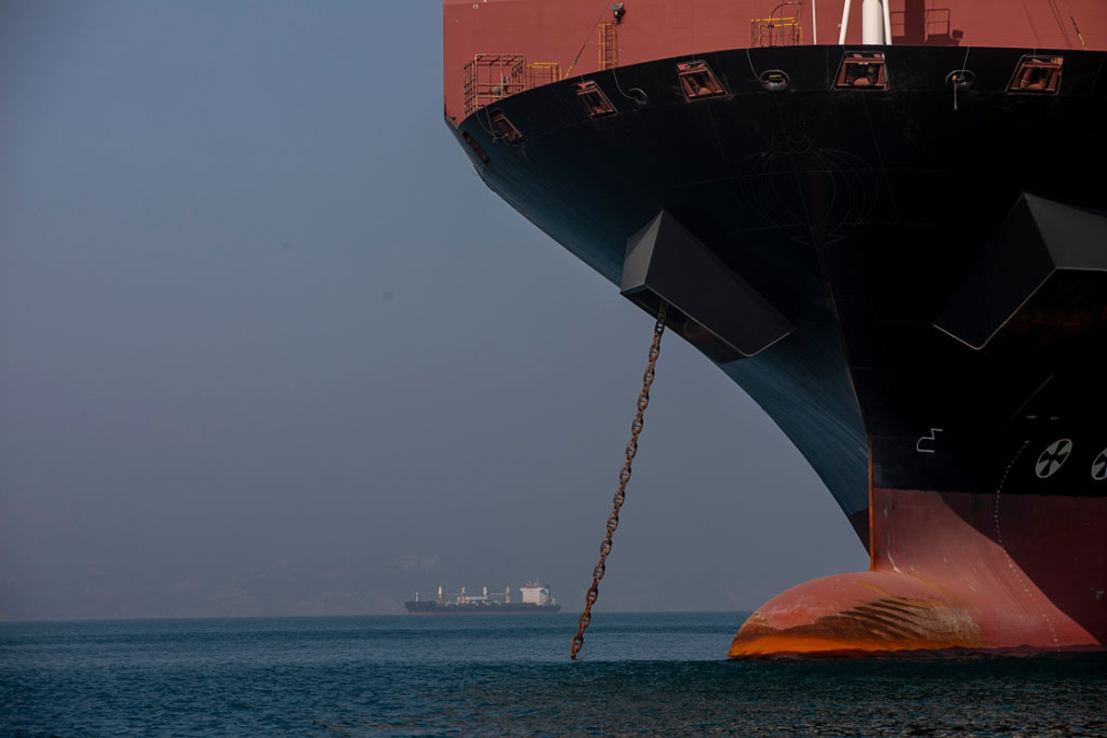
Insurance giant Gallagher had arranged cover for one of two tankers attacked by Houthi forces in the Red Sea, an incident that triggered an onboard fire and forced the vessel back to port, City AM has learned.
The Lloyd's of London broker organised the insurance for the affected vessel, which was among a pair of tankers struck by the Iran-backed militia during last week's escalation of the Middle East conflict, according to two people familiar with the matter. The blockade effectively cuts Saudi Arabia off from exporting oil into the Arabian Sea via both the Red Sea and the Persian Gulf.
Attention on the Iran war has primarily centred on Tehran's stranglehold over the Strait of Hormuz, the critical Persian Gulf shipping lane through which more than a fifth of global oil and gas flowed before the conflict. The Iranian regime has maintained a blockade across that passage for much of the past five months, blocking its Middle Eastern neighbours from the oil exports that underpin their economies.
In a sharp escalation this week, the Houthis — an Iran-backed militia operating in Yemen — established a comparable blockade targeting Saudi ships in the Red Sea's Bab al-Mandab strait, a narrow chokepoint through which roughly 8 to 12 per cent of global seaborne oil and refined products normally transit. On Wednesday, the group carried out missile strikes on two tankers attempting to run the blockade, with Saudi state media confirming that one vessel caught fire.
Red Sea Blockade Triggers Oil Price Surge
Gallagher is one of the so-called Big Five brokers that dominate the maritime and cargo insurance sectors. The New York-listed firm did not underwrite the policy on the attacked ship, meaning it is not exposed to a significant payout. City AM understands the broker continues to offer cover for vessels in the Red Sea should ship owners opt to attempt bypassing the blockade.
The Houthis' actions leave the Suez Canal — connecting Egypt to the Mediterranean Sea — as the sole remaining route through which Iran can export its substantial oil production, constraining the large trade volumes it previously conducted with countries including India and Pakistan.
Oil prices have surged amid the continued escalation, climbing as much as 16 per cent between Monday and Thursday. Brent crude peaked at $102 a barrel before easing on Friday.
James McCormick, research director at Cavendish, said the Houthis' move constitutes a major blow to Saudi Arabia's oil and gas export capacity. The petrostate had relied on a vast pipeline to reroute oil from its east coast to the Red Sea to circumvent Iran's Hormuz blockade — a route now itself constrained by the Iranian ally.
Saudi Arabia's 1,200-kilometre East-West Pipeline, running from the Abqaiq processing hub to the Yanbu terminal on the Red Sea coast, had served as a critical workaround enabling exports to bypass Hormuz. With Houthi forces now threatening the Red Sea exit point, that overland route's effectiveness is itself in question.
"The market is increasingly pricing a broader kind of logistic delivering supply shock," McCormick told City AM. "At the moment this is keeping Brent vulnerable to sustained trading over $100 a barrel."
A spokeswoman for Gallagher said: "Whether transit is safe is a decision is made by the master of the ship and associated parties. As a specialist marine insurance broker our role is to provide cover to ships looking to travel in the area and Gallagher is able to provide insurance for ships travelling in the red sea and other high risk areas."

