Faraday Copper drilling expands mineralization at Copper Creek, bolstering Arizona copper cathode case
Key Takeaways
- •Faraday Copper's drilling at Copper Creek found near-surface mineralization in 14 of 23 holes, including 100.8 metres grading 0.22% copper from surface at Copper Giant East.
- •Resource-definition drilling totalling 22,510 metres is complete, and Faraday plans an updated Copper Creek resource next year.
- •Faraday's acquisition of BHP's former San Manuel mine, approved by shareholders on Aug. 25, is expected to close by the end of September and would create a district containing more than 18 billion lb. of copper.
- •The company has outlined a staged development plan beginning with oxide cathode production, followed by larger open-pit and underground sulphide operations, with a combined Copper Creek-San Manuel resource targeted for mid-2027.
- •Faraday shares fell 3.8% to $5.04 in Toronto, giving a market value of $1.48 billion, amid market pressures weighing on junior miners.
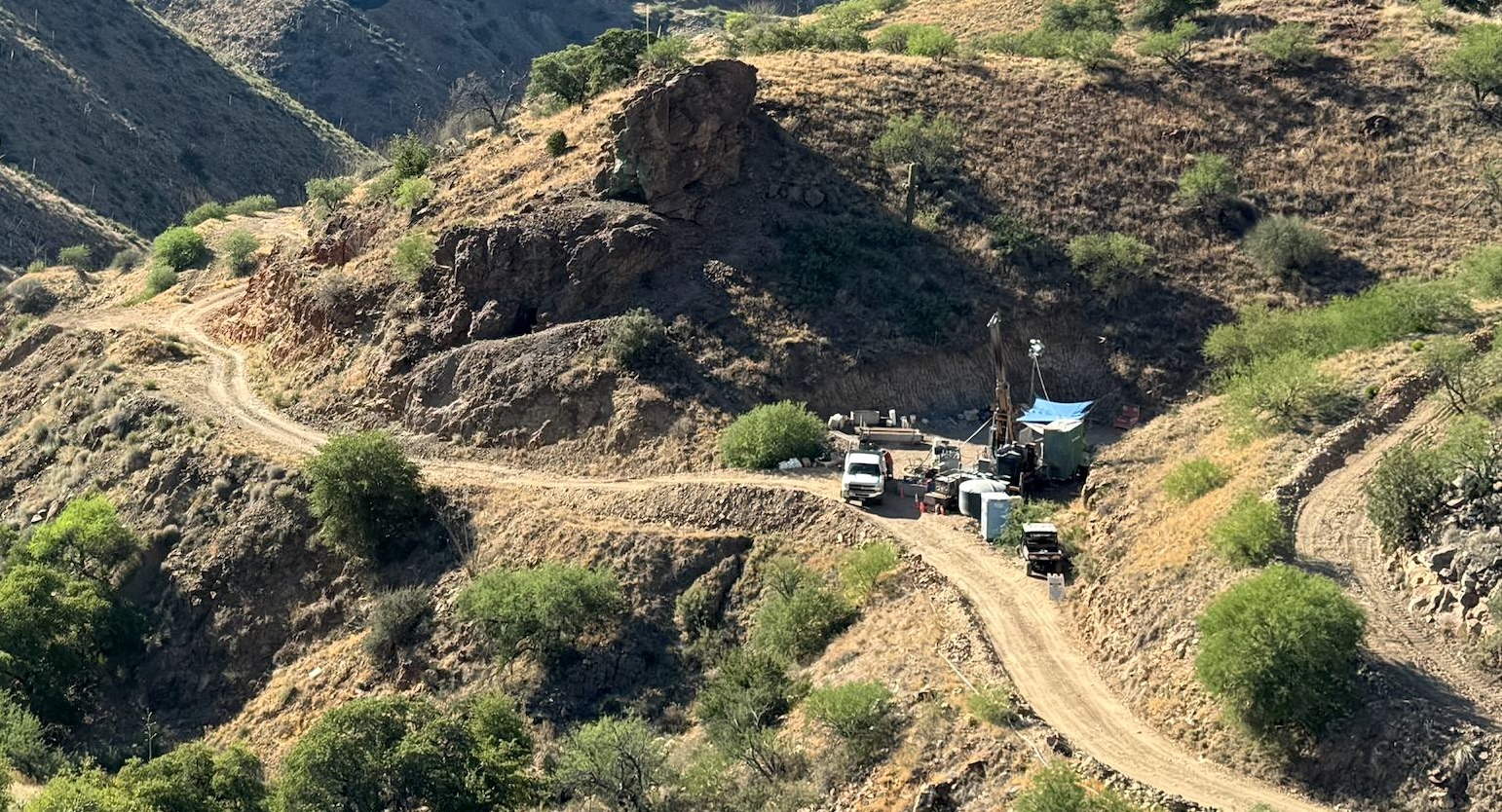
Faraday Copper (TSX: FDY; US-OTC: CPPKF) reports that drilling at its Copper Creek project in Arizona has expanded shallow oxide and sulphide mineralization, strengthening the case for future copper cathode production as the company prepares to add the neighbouring San Manuel property.
Copper cathode is typically produced from oxide ores via heap leaching and solvent extraction-electrowinning (SX-EW), a lower-cost processing route than the milling and smelting required for sulphide ores — which is why near-surface oxide intercepts matter for an early-stage production plan. Arizona, part of the historically productive porphyry copper belt of the southwestern United States, remains one of the country's leading copper-producing states, and projects like Copper Creek sit within an established mining jurisdiction with existing infrastructure and permitting precedent.
Four holes at Copper Giant East intersected near-surface oxide mineralization over roughly 50 to 100 metres, while drilling at American Eagle extended sulphide mineralization into a previously untested trend. Drill hole FCD-26-192 returned 19 metres grading 0.55% copper from 42 metres depth, 350 metres south of the American Eagle breccia (3-D image).
The results support the potential "to expand near-surface mineralization at Copper Creek," CEO Paul Harbidge said in a release, citing the American Eagle area. "Additionally, the copper oxide mineralization intersected east of Copper Giant further supports the potential for additional near-surface oxide resources, which could enhance the opportunity for future copper cathode production."
Resource-definition drilling is now complete, and Faraday plans to incorporate the latest results into an updated resource next year. The company is also moving toward closing its acquisition of BHP's (ASX, NYSE, LSE: BHP) former San Manuel mine, a deal that would create a district Faraday says could contain more than 18 billion lb. of copper. Shareholders approved the stock required for the transaction on Aug. 25, with closing expected by the end of September.
Cathode potential
Shares in Faraday Copper fell 3.8% to $5.04 apiece by mid-Thursday in Toronto amid lingering market concerns tied to the Iran War, including inflation and elevated bond yields that have weighed on junior miners in recent sessions. The S&P/TSX Global Mining Index has retreated from its late-August high, a cooling trend that compounds volatility for pre-revenue developers such as Faraday. The company has a market value of $1.48 billion.
Canaccord Genuity mining analyst Dalton Baretto said the consistent shallow oxide and secondary sulphide intercepts across Copper Creek are encouraging, "underpinning the cathode opportunity" at the project.
Among the oxide results, drill hole FCD-26-190 cut 100.8 metres grading 0.22% copper from surface at Copper Giant East. FCD-26-180 returned 56 metres at 0.2% copper from surface, including 28 metres at 0.28%, while FCD-26-181 cut 74 metres at 0.16% copper from surface. Faraday says the four holes define an oxide-mineralized area exposed at surface.
Elsewhere, drill hole FCD-26-185 near the Pole breccia returned 14.3 metres grading 0.56% copper from surface. FCD-26-163, north of Childs Aldwinkle, cut 40 metres at 0.32% copper from 20 metres depth, including 21.4 metres at 0.46%. At American Eagle, FCD-26-184 returned 20 metres at 0.52% copper from 149 metres, while FCD-26-183 cut 31 metres at 0.25% copper from 28 metres.
Faraday reported near-surface mineralization in 14 of the 23 holes released Thursday. The current portion of the drilling program totalled 22,510 metres, with assays released so far for 19,496 metres in 76 holes. Remaining results are still pending.
Copper Creek, about 70 km north of Tucson, holds 421.9 million measured and indicated tonnes grading 0.45% copper for 4.2 billion lb. of contained metal, according to the project's May 2023 preliminary economic assessment. Inferred resources add 83.6 million tonnes grading 0.34% copper for 628 million lb.
San Manuel next
Faraday plans to start at least 23,000 metres of drilling at San Manuel this fall after closing the acquisition. The former mine processed about 800 million tonnes grading 0.66% copper and produced more than 4.5 million tonnes of copper before low prices ended mining in 1999.
The acquisition would also give Faraday about 109 sq. km of private land, water rights and established road, rail, power and gas infrastructure beside Copper Creek. The company has outlined a staged development concept, starting with oxide material and copper cathode production before moving into larger open-pit and underground sulphide operations.
Faraday expects to issue a combined Copper Creek-San Manuel resource around mid-2027. Baretto said greater detail on how the two properties will be developed together could become the company's next major catalyst.
"We look forward to further clarity on a combined Copper Creek-SMK plan later this year, which we believe will be a key catalyst for the stock," the analyst said.
Source: The Northern Miner
