Europe's Heatwave Strains Refineries, Nuclear Plants, and Power Supplies
Key Takeaways
- •Europe's refineries, mostly built in the 1960s and 1970s for cold-weather operation, are experiencing sharply reduced cooling efficiency as ambient air temperatures during heatwaves narrow the temperature differential needed for heat transfer.
- •Hungary's Paks Nuclear Power Plant reduced output from 2,000 megawatts to just 240 megawatts as Danube water levels hit record lows, with Prime Minister Peter Magyar warning that a complete shutdown may be imminent.
- •Romania declared a nationwide state of emergency after declining electricity production and limited import capacity forced the shutdown of one Cernavodă nuclear unit and production suspensions at automotive plants operated by Dacia and Ford.
- •Alpine reservoir inflows across Austria, Switzerland, France, and northern Italy are running nearly 50% below the 15-year historical average, causing major utilities such as EDF and Verbund to report hundreds of millions of euros in lost hydroelectric earnings.
- •The ICE gasoil–Brent crude crack exceeded $75 per barrel on July 31, approaching a 20-year high, as extreme heat and drought simultaneously drive up cooling-related fuel demand while constraining refinery output and inland barge logistics.
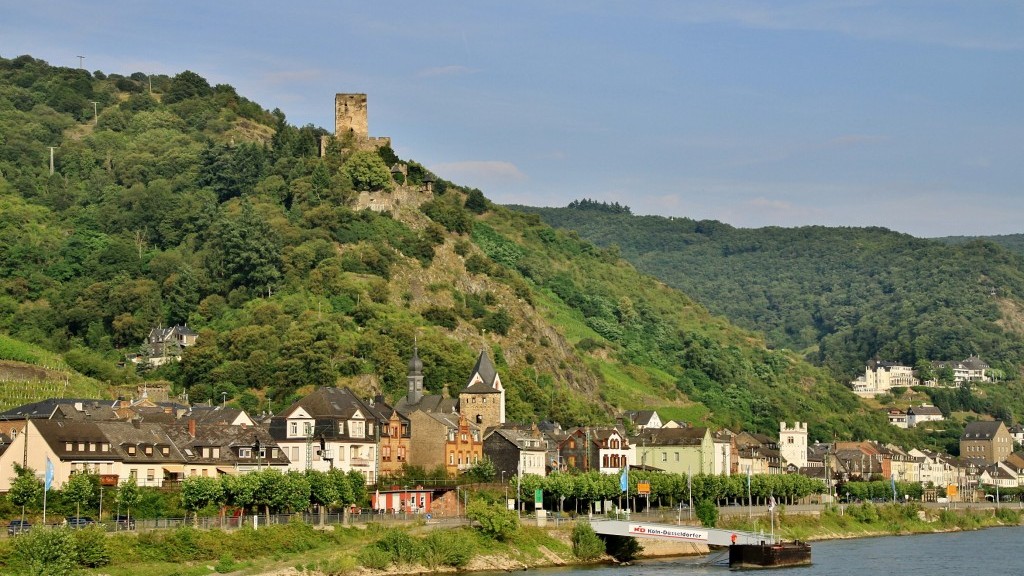
Extreme heat and prolonged drought are increasingly disrupting Europe's energy infrastructure, degrading refinery cooling efficiency, forcing cuts to nuclear generation, reducing hydroelectric output, and raising inland fuel transport costs as barges carry smaller cargoes along shrinking rivers. The simultaneous strain across multiple energy systems—refining, nuclear, hydroelectric, and logistics—highlights a systemic vulnerability that European governments and utilities are only beginning to grapple with as climate adaptation joins energy security and decarbonization as a core policy priority.
Temperatures exceeding 40°C have become more frequent across large swaths of southern and central Europe, while persistent drought has shrunk waterways, dried out soils, and fueled destructive wildfires. An analysis by the World Weather Attribution group concluded that human-driven climate change has significantly increased both the likelihood and intensity of these extreme weather events, effectively transforming seasonal heat into a recurring operational constraint for Europe's oil and power sectors.
These conditions are intensifying pressure on an energy market already contending with crude oil supply disruptions linked to the ongoing Middle East conflict and the broader reconfiguration of energy flows following Russia's 2022 invasion of Ukraine. Historically, seasonal temperature shifts have influenced energy prices across the continent as heating and cooling demand fluctuates. However, commodity analysts at Standard Chartered have observed that extreme heat and drought are now undermining refiners' ability to produce fuels efficiently—meaning climate factors are simultaneously driving up demand and constraining supply.
Related: Germany's Energy Demand Falls as High Prices Hit Oil Consumption
Although each individual climate effect may be relatively modest, Standard Chartered notes that their combined impact is amplifying pressure on refinery margins and diesel cracks during the summer months. The ICE gasoil–Brent crude crack, a key benchmark for European diesel, exceeded $75 per barrel on 31 July, approaching a 20-year high, with potential for further gains if conditions deteriorate. Diesel is critical to European freight, agriculture, and industrial activity, meaning that refinery output constraints and inland transport bottlenecks can ripple quickly into broader economic costs.
Aging Refinery Infrastructure
The majority of Europe's refineries were constructed during the 1960s and 1970s and were optimized for cold and sub-zero operating conditions, leaving them ill-equipped for modern summer heatwaves. Refineries depend heavily on air fin coolers to condense and cool hot hydrocarbon streams. When ambient air temperatures approach the target temperature of the process stream, the temperature differential narrows, sharply reducing heat transfer efficiency. Retrofitting these facilities for higher ambient temperatures is costly and complex, and limited progress has been made across the industry.
Water-cooled systems face a compounded challenge during heatwaves. Low river flows diminish the available volume of cooling water, while the water that remains is already too warm to absorb the substantial heat loads generated by refining processes. Environmental regulations impose strict prohibitions on discharging excessively hot water back into natural ecosystems to protect aquatic life, forcing refiners to curtail operations when water volumes drop.
Nuclear Generation Under Threat
The impact extends well beyond oil refining. The Danube has fallen to record-low levels, forcing reductions in nuclear power generation across Central Europe. Reuters reported that production at the Paks Nuclear Power Plant—which supplies roughly half of Hungary's electricity—dropped from 2,000 megawatts to just 240 megawatts. Three of the plant's four turbines have been systematically shut down. Hungarian Prime Minister Peter Magyar warned that a complete shutdown is imminent if river levels fall any further, which would constitute the first full stoppage in the facility's 44-year history.
In Romania, the government declared a nationwide state of emergency on Monday due to declining electricity production and limited cross-border import capacity stemming from the water and energy crisis. The Romanian military recently detonated 180 kilograms of explosives in a controlled blast on a Danube River rock outcrop along the Bala channel to redirect more water toward the Cernavodă nuclear complex. State-owned producer Nuclearelectrica shut down one of Cernavodă's two active units, which together normally supply approximately one-fifth of Romania's electricity. Major industrial facilities, including automotive plants operated by Dacia and Ford, have suspended operations to reduce power demand.
A typical nuclear power reactor requires substantial volumes of water for cooling—roughly 25,000 to 60,000 gallons per megawatt-hour (MWh) for once-through systems, or approximately 600 to 800 gallons per MWh for recirculating systems equipped with cooling towers, according to the World Nuclear Association. Both Hungary's Paks and Romania's Cernavodă plants rely on once-through cooling systems, drawing large volumes of water directly from the Danube. Several European nations—France, Hungary, and Romania among them—are expanding or extending nuclear capacity as part of their decarbonization strategies, making cooling-water reliability a long-term strategic concern, not just a seasonal one.
Hydroelectric Decline
The severe water deficit across Europe's major hydroelectric regions is driving an energy supply crunch and a sharp rise in electricity prices. In the Alpine region, reservoir inflows across Austria, Switzerland, France, and northern Italy are running nearly 50% below the historical 15-year average. Major utilities, including France's EDF and Austria's Verbund, have reported hundreds of millions of euros in lost earnings due to plummeting hydroelectric output.
In the Nordic region, Norway—which depends on hydropower for approximately 90% of its electricity—has recorded its lowest snowpack reserves in two decades, resulting in a 25 terawatt-hour (TWh) energy deficit. Norway is also a major electricity exporter to neighboring countries via undersea interconnectors, meaning shortfalls there can affect prices and supply as far afield as Germany, the Netherlands, and the United Kingdom.
Inland Logistics Disrupted
Low water levels are also disrupting inland logistics and creating navigational constraints, although the Rhine has not yet dropped to the critically low levels witnessed in 2018 or 2022—both of which triggered billions of euros in supply-chain losses and forced chemical, fuel, and agricultural companies to seek costlier rail and road alternatives. Reduced water depth forces barges to carry smaller loads, raising inland transportation costs and making deliveries of crude oil, refined products, and refinery feedstocks less efficient. Physical distribution is being constrained even when refinery production itself remains relatively intact.
Taken together, extreme weather is compounding an already challenging market for refined products and electricity across Europe this summer, with the recurring nature of these disruptions increasingly factored into utilities' operational planning and governments' energy security assessments.
By Alex Kimani for Oilprice.com

