EU Renewables Targets Could Cut Gas Demand by a Quarter by 2030
Key Takeaways
- •IEEFA estimated that heat pumps and stronger solar and wind output reduced EU natural gas demand by 8.8 billion cubic meters in 2024.
- •The group said the EU could cut gas demand by around 25% by the end of 2030 if it meets annual installation targets for heat pumps, solar, and wind.
- •IEEFA said the projected demand reduction would equal about twice the LNG volume the EU could import from Qatar by 2030.
- •Eurostat provisional data showed the EU’s renewable energy share reached 26.2% last year, below the bloc’s 42.5% target for 2030.
- •Europe is entering winter with gas storage at the second-lowest level for this time of year in 15 years, while LNG prices are being lifted by Middle East conflict and stronger Asian demand.
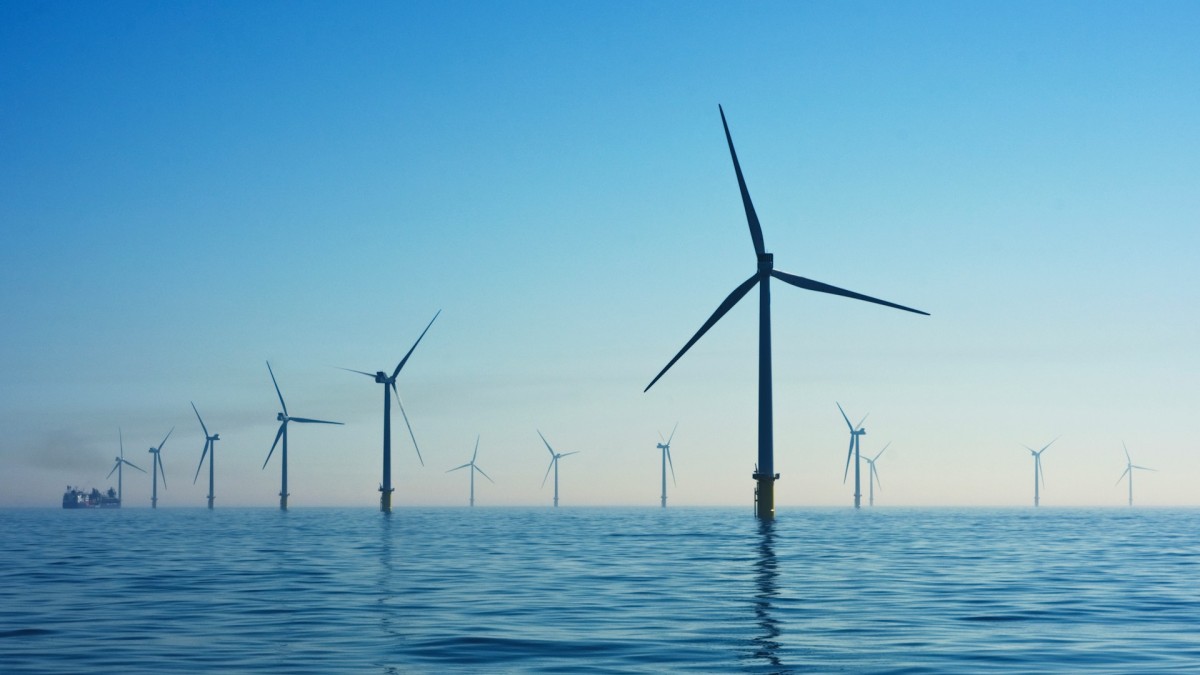
The European Union could sharply reduce liquefied natural gas imports by 2030 if it meets its targets for heat pump, solar, and wind installations, according to the Institute for Energy Economics and Financial Analysis (IEEFA) on Tuesday.
The energy research group, which advocates for an accelerated transition away from fossil fuels, estimated that heat pump deployment and higher solar and wind generation reduced EU natural gas demand by 8.8 billion cubic meters in 2024. That volume was equivalent to about two-thirds of the EU’s imports of Qatari LNG in the same year, the institute said.
IEEFA said that if the bloc achieves its targets of installing at least 4 million heat pumps, 75 gigawatts (GW) of solar capacity, and 22 GW of wind capacity annually over the next five years, gas demand could fall by around a quarter by the end of 2030. The estimate excludes other gas-saving measures.
The projected reduction would be equal to twice the volume of LNG the EU could import from Qatar by 2030, according to IEEFA, underscoring how much demand could shift as electrification and renewable generation expand across the bloc’s power and heating systems.
"If Europe continues with efforts to reduce gas consumption, improve energy efficiency and expand renewables, LNG and pipeline gas imports will decrease and external energy crises may pose less of a threat to the continent’s energy security," said Ana Maria Jaller-Makarewicz, lead energy analyst for IEEFA’s Europe team and the study’s author.
The EU remains behind on its renewable energy goals, however. Provisional Eurostat figures released last week showed that the share of energy from renewable sources in gross final energy consumption in the EU reached 26.2% last year, up from 25.2% in 2024.
The bloc’s 2030 renewable energy target is 42.5%. Reaching that level would require an average annual increase of 3.3 percentage points from 2026 through 2030, roughly three times the pace recorded in 2025.
At the same time, Europe is heading into the winter with gas storage at the second-lowest level for this time of year in 15 years and well below the five-year average. The Middle East war has pushed up LNG prices and intensified competition for supply with Asia, which is currently winning the bidding war for spot cargoes.
By Michael Kern for Oilprice.com

