Hormuz Crisis Boosts Appeal of $42 Billion Tanzania LNG
Key Takeaways
- •Equinor says the Tanzania LNG project has become more attractive because the Middle East conflict has disrupted LNG supply routes through the Strait of Hormuz.
- •The proposed project is estimated to cost $42 billion and has been under development for about a decade.
- •Equinor and Shell have not yet reached detailed and definitive agreements with the Tanzanian government on project terms and conditions.
- •Shell operates Blocks 1 and 4 offshore Tanzania, where 16 trillion cubic feet of natural gas has been discovered.
- •Equinor has made nine discoveries in Block 2 offshore Tanzania, with estimated gas volumes of more than 20 trillion cubic feet in place.
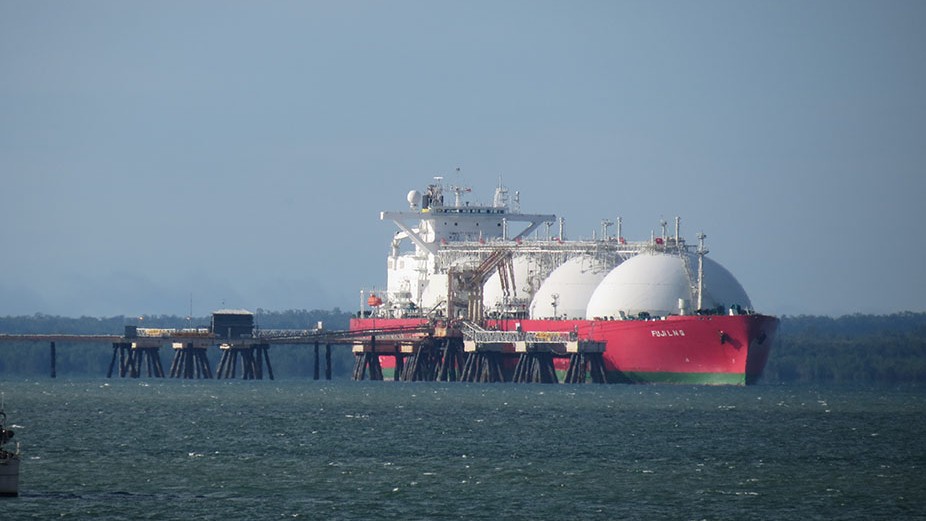
Equinor sees a multi-billion-dollar liquefied natural gas export project in Tanzania becoming more attractive for development amid the Middle East conflict that has disrupted LNG supply routes through the Strait of Hormuz, a senior executive at the Norwegian energy company said on Tuesday.
However, Equinor and its co-operator on the project, Shell, have spent years in difficult negotiations with the Tanzanian government and authorities, and the proposed Tanzania LNG project has made little progress this decade.
"You don't want to wait too long to put new LNG volumes on the market, so maybe now is a good time to get on with it," Philippe Mathieu, Executive Vice President, Exploration & Production International at Equinor, said at an energy conference in Stavanger, Norway, according to Reuters.
Mathieu said the Hormuz crisis, together with the now-questioned assumption that Qatar and other Gulf producers are the most reliable suppliers of oil and gas, has made the Tanzania project, estimated to cost $42 billion, more appealing.
"It means you are producing LNG in an area which is not exposed to these kinds of geopolitical challenges," Mathieu added.
Shell and Equinor have been seeking agreements for years to move ahead with the planned LNG export project in Tanzania. The project, which would connect natural gas discoveries offshore Tanzania with an export terminal on the coast, has been in development for a decade. Its long delay highlights how large LNG developments often depend not just on geology, but on fiscal terms, regulatory clarity, and host-government approvals before final investment decisions can be reached.
So far, the international oil and gas majors have not reached detailed and definitive agreements with Tanzania’s government on the terms and conditions for what could become the country’s largest foreign investment.
After Shell bought BG Group in 2016, the company became the operator of two offshore Tanzanian blocks, Block 1 and Block 4, together with partners Medco Energi, through Ophir Energy, and Pavilion Energy. A total of 16 trillion cubic feet of natural gas has been discovered in those blocks.
Equinor, meanwhile, began exploration drilling in Block 2 offshore Tanzania in 2011 and has made nine discoveries with estimated volumes of more than 20 trillion cubic feet of gas in place. Together, those resources explain why the project has remained strategically important even as progress has been slow, and why any renewed push would depend on converting those discoveries into a workable export plan.
By Charles Kennedy for Oilprice.com

