High Fuel Prices Are Driving a Global Electric Motorcycle Boom
Key Takeaways
- •Pakistan's electric two-wheeler sales rose 173 percent in the first half of the year, supported by high fuel prices and government subsidies, with models from roughly 84 companies on the market.
- •VinFast delivered 143,136 electric motorbikes and e-bikes in the first quarter of 2026, a 219 percent increase over the same period in 2025.
- •Honda announced in July that it will begin producing its UC3 electric motorcycle in Vietnam this year, with facilities planned in Phu Tho province.
- •TAILG partnered with Ghanaian battery-swapping operator Kofa to develop the TK90 for Africa, which features a swappable lithium battery and cuts operating costs by around 30 percent; it is available in Kenya and Tanzania.
- •Fuel price increases driven by the Iran War and the closure of the Strait of Hormuz have accelerated consumer interest in electric two-wheelers, particularly in low-income regions where motorcycles are essential daily tools.
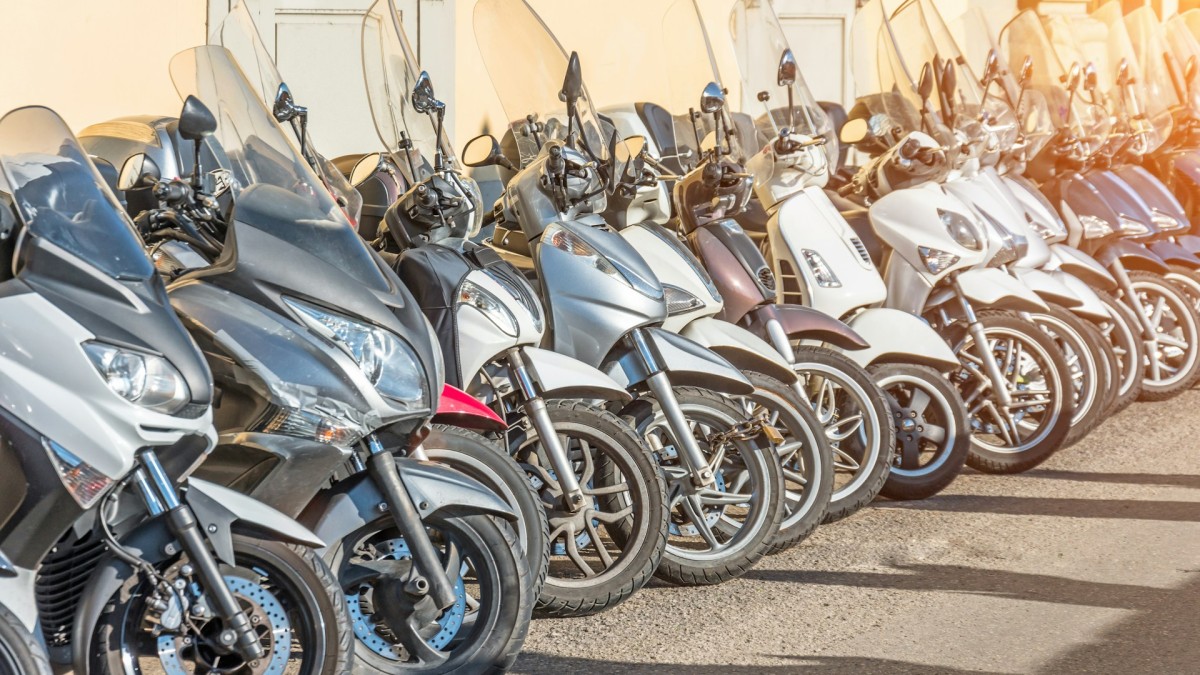
While electric car and truck sales have grown more slowly than anticipated in recent years — prompting governments to reconsider clean fuel targets and automakers to slow their EV production plans — electric motorcycles are gaining real momentum in several parts of the world. Two-wheelers have long been a mainstay of busy cities and low-income countries, where they often outnumber cars on the road, and now, largely because of rising fuel prices, many riders are shifting to electric models.
The United States-Israeli attacks on Iran in February, which escalated into the ongoing Iran War and prompted the closure of the Strait of Hormuz, have pushed oil and gas prices sharply higher in recent months. Many countries have faced energy shortages, and consumers everywhere have had to pay a premium for much-needed fuel. The burden has fallen unevenly, hitting low-income regions hardest — particularly in places where a motorcycle is not a leisure vehicle but a daily tool for commuting, hauling goods, and earning a living.
Among the most affected markets are those in Southeast Asia and Africa, where motorcycles have long served as an affordable way to navigate crowded cities. Although electric two-wheelers generally cost more upfront than petrol-powered equivalents, they can be cheaper and more dependable to operate over the long run given the volatility of fossil fuel prices. With charging a battery now often cheaper than filling a fuel tank, many people are making the switch.
Pakistan: Rapid Growth in a Two-Wheel-Dominated Market
In Pakistan, motorbikes account for roughly 80 per cent of vehicles on the road. Electric motorcycles were a rarity just a few years ago, but the segment has taken off, with new brands entering the market every week. Models from around 84 companies are now available in the country, spanning venture-backed startups as well as traditional electric vehicle (EV) manufacturers.
Sales of electric two-wheelers in Pakistan rose by 173 per cent in the first half of the year, according to market-intelligence firm Motorcycles Data. Beyond high oil prices, government subsidies have also supported demand. Many of the motorcycles sold in Pakistan are imported from China, though some companies fit domestically produced motorbikes with Chinese motors.
Vietnam: Record Deliveries and New Production
In Vietnam, where motorcycles have long dominated due to heavy congestion, automakers are watching electric two-wheeler sales soar. In Hanoi, the establishment of a low-emission zone in the city centre — restricting the use of gasoline-powered motorcycles on weekends — is driving uptake in the capital.
Vietnam's VinFast posted record e-motorcycle order volumes in the first quarter of 2026, delivering 143,136 electric motorbikes and e-bikes in the first three months of the year, up 219 per cent from the same period in 2025. Honda's decision to localize production of its UC3 in Vietnam signals that major incumbents now view the country's e-two-wheeler market as central to their electrification strategies, not a niche sideline.
In July, Japan's Honda Motor announced plans to begin producing its UC3 electric motorcycle in Vietnam this year, with production facilities expected to be developed in the northern province of Phu Tho. "The trend toward electrification among consumers is moving forward more than expected," said Sayaka Arai, general director of Honda's Vietnam operations. She added that higher fuel prices, driven by the ongoing war in Iran, have further accelerated consumer interest in electric scooters and motorcycles.
Chinese Brands Expand Across Asia and Africa
The wider availability of more affordable Chinese EVs has boosted uptake in recent years. More Chinese brands have opened stores selling e-motorcycles and other EVs across Asia and Africa, helping lift sales, and some have partnered with local firms to adapt their vehicles to local market conditions.
Chinese electric bike maker TAILG partnered with Ghanaian battery-swapping operator Kofa to develop the TK90 electric motorcycle, tailored exclusively for the African market. The TK90 features a swappable lithium battery and reduced the motorcycle's operating costs by around 30 per cent. The model is now available in Kenya and Tanzania. Battery swapping is particularly suited to markets where home charging is difficult, since riders can exchange a depleted battery for a charged one in minutes rather than waiting for a recharge.
TAILG is also developing a solar-powered three-wheeler with more than 25 per cent power generation efficiency, and is currently testing solar panels on outdoor battery swap cabinets across Africa. Rolling out these units could allow consumers to use e-motorcycles in regions that lack adequate charging infrastructure. The scarcity of charging points has been a major bottleneck to EV adoption in some countries, such as Kenya, where consumers have been deterred from buying e-motorcycles out of concern that they cannot charge them in many areas.
Growing Traction Beyond Low-Income Markets
E-motorcycles are also gaining ground in certain market segments elsewhere in the world. In California, e-motorcycles, e-scooters, and e-mopeds have become more popular among teenagers seeking cleaner, low-cost transportation, with sales growing steadily since the Covid-19 pandemic.
Sales of e-motorcycles are expected to keep rising as a broader range of models becomes available and consumers increasingly look to shift toward cleaner transport. The trend is also being propelled by oil and gas price volatility, with the ongoing conflict in the Middle East demonstrating how an overreliance on fossil fuels can threaten energy security. What to watch next is whether local assembly, battery-swapping networks, and supportive regulation can sustain the momentum if fuel prices eventually ease.
By Felicity Bradstock for Oilprice.com
