Dollar Plunges 3.3% Against Yen as Japan and US Signal Closer Currency Coordination
Key Takeaways
- •The U.S. dollar dropped approximately 3.3% against the yen in one of the sharpest single-day declines in over two years following signals of coordinated currency stability efforts from Washington and Tokyo.
- •U.S. Treasury Secretary Scott Bessent described the yen as very undervalued and warned that excessive foreign exchange volatility poses risks to the broader global economy.
- •Japan reportedly spent a record $73.4 billion purchasing yen during the previous quarter in one of the largest currency interventions in modern history.
- •The yen had earlier fallen to its weakest level in approximately four decades due to persistent interest rate divergence between the Federal Reserve and the Bank of Japan.
- •Japan holds over $1 trillion in U.S. Treasury securities, making currency policy discussions between the two nations significant for the broader bilateral financial relationship.
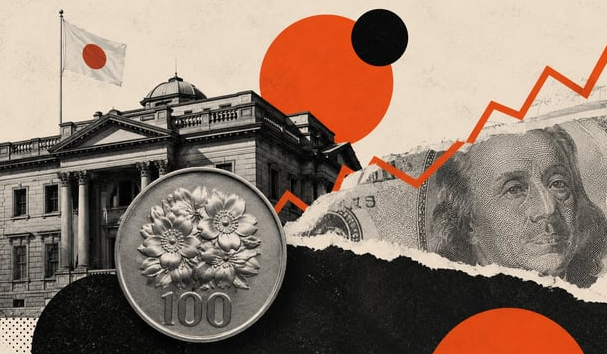
The U.S. dollar posted one of its steepest single-day declines against the Japanese yen in more than two years, falling approximately 3.3%, after Tokyo and Washington signaled growing coordination on currency stability. The move fueled renewed speculation about government intervention in foreign exchange markets and underscored mounting concerns among policymakers over excessive volatility and the economic toll of a prolonged weak yen.
U.S. Treasury Secretary Scott Bessent described the Japanese yen as "very undervalued" and cautioned that excessive volatility in currency markets was unhealthy for the global economy. His remarks intensified attention on a currency pair that has become a bellwether for global monetary policy divergence.
The development coincided with Japan's ongoing efforts to prop up its currency after years of depreciation against the dollar. Japanese authorities reportedly spent a record $73.4 billion purchasing yen during the previous quarter in an attempt to slow the currency's slide. Despite those efforts, the yen had earlier fallen to its weakest level in roughly four decades, creating significant challenges for Japan's economy and policymakers.
The market movement was also highlighted by the verified X account of Coin Bureau, drawing additional attention from investors and global financial observers:
https://x.com/coinbureau/status/2082989525329227934
Dollar-Yen Movement Signals Rising Currency Pressure
The dollar's sharp decline against the yen reflects intensifying pressure around one of the world's most closely watched currency pairs. USD/JPY has become a major indicator of global monetary policy differences, driven by the divergent interest rate paths pursued by the two nations in recent years.
The Federal Reserve raised interest rates aggressively to combat inflation, while the Bank of Japan maintained extremely loose monetary policies for an extended period. The resulting interest rate gap encouraged investors to hold dollar-denominated assets while borrowing in yen, contributing to sustained weakness in Japan's currency.
However, the yen's prolonged decline has raised alarm among Japanese officials because it has increased import costs and placed financial pressure on households and businesses. The recent coordinated response suggests authorities are increasingly determined to prevent disorderly currency movements.
US Treasury Warns Against Excessive Yen Weakness
Secretary Bessent's comments added a new dimension to the currency situation. By labeling the yen significantly undervalued, he emphasized that extreme volatility in foreign exchange markets could generate broader economic risks.
Currency values are shaped by numerous factors — interest rates, inflation expectations, trade balances, and investor sentiment. When currencies move too quickly, businesses and financial institutions face uncertainty when planning investments, managing costs, and conducting international transactions.
The Treasury's remarks carry particular weight because Japan is the largest foreign holder of U.S. Treasury securities, with holdings exceeding $1 trillion. Currency policy discussions between Washington and Tokyo therefore carry implications that extend well beyond the exchange rate itself, touching on the broader financial relationship between the two economies.
The Treasury's remarks indicate that Washington is paying closer attention to yen market developments. While governments generally avoid directly targeting specific exchange rates, they frequently communicate concerns when currency movements become disruptive.
Japan's Massive Yen Purchase Effort
Japan's recent currency intervention ranks among the largest attempts by authorities to support the yen in modern history. The country reportedly spent $73.4 billion buying yen during the previous quarter as officials sought to slow the currency's depreciation.
In Japan's institutional framework, the Ministry of Finance holds legal authority over currency intervention decisions, while the Bank of Japan executes the operations on its behalf. This separation reflects the broader distinction between fiscal authorities, who manage exchange rate policy, and the central bank, which sets monetary policy.
Foreign exchange intervention involves selling foreign currency reserves — such as U.S. dollars — while purchasing the domestic currency. The objective is to increase demand for the local currency and curb excessive depreciation.
Japan has historically used intervention sparingly because its effectiveness depends heavily on broader economic conditions. While intervention can move markets in the short term, long-term currency trends are typically dictated by economic fundamentals, including monetary policy differences and capital flows. The sheer scale of Japan's intervention underscores how seriously policymakers view the yen's weakness.
Why Japan Is Concerned About a Weak Yen
A weaker yen carries both benefits and costs for Japan. Japanese exporters often gain because their products become cheaper in international markets, potentially boosting overseas competitiveness. Large multinational companies with significant foreign revenue can see increased earnings when profits are converted back into yen.
However, the downsides of yen weakness have become increasingly apparent. Japan imports a substantial share of its energy, food, and raw materials, meaning a softer currency drives up costs for consumers and businesses alike. Higher import prices have contributed to inflationary pressures across the economy, eroding household purchasing power.
For years, Japan grappled with low inflation and sluggish economic growth. The current challenge is fundamentally different: policymakers must now manage inflation while simultaneously preventing excessive currency depreciation.
Bank of Japan Policy Remains Central to Currency Outlook
One of the most significant factors influencing the yen's value is the Bank of Japan's monetary policy stance. For decades, Japan maintained ultra-low interest rates as officials worked to stimulate economic growth and overcome deflation.
Recently, however, the central bank has moved toward policy normalization as inflation and wage growth have improved. Higher interest rates can support a currency by making domestic assets more attractive to investors. Still, the BOJ has proceeded cautiously, mindful that aggressive tightening could dampen economic activity.
Markets are closely watching whether Japan will continue raising rates and narrow the gap with U.S. interest rates. A smaller differential between Japanese and American borrowing costs could reduce demand for dollar-based investments and provide additional support for the yen.
Global Markets React to Currency Intervention Signals
Currency markets responded swiftly to the latest developments because coordinated government action can significantly shift investor expectations. The dollar-yen exchange rate is one of the most actively traded currency pairs worldwide, influencing everything from international investments to corporate earnings.
A sudden yen recovery can also ripple across global markets because many investors rely on yen-based borrowing strategies. For years, market participants profited from the carry trade — borrowing low-cost yen and investing in higher-yielding assets. When the yen strengthens rapidly, these positions become less attractive and may prompt investors to unwind them, potentially creating additional volatility across financial markets.
The 40-Year Yen Weakness Problem
The yen's slide to a 40-year low represented a defining challenge for Japan. The currency's weakness stemmed from several factors: differences in monetary policy, global inflation trends, and investor appetite for higher-yielding currencies.
While Japan's economic fundamentals improved in certain areas, the currency continued to face downward pressure. The prolonged weakness compelled policymakers to consider stronger measures to restore stability. The situation also underscored the limitations of relying solely on intervention — without changes in underlying economic conditions, currency movements often revert toward levels dictated by market expectations.
US-Japan Cooperation Becomes Increasingly Important
The relationship between Japan and the United States plays a pivotal role in global currency markets. Both nations benefit from financial stability and predictable exchange rates. Sharp currency swings can disrupt trade relationships, corporate profits, inflation dynamics, and investment decisions.
The last major coordinated dollar-yen realignment occurred in 1985, when the Plaza Accord brought together the United States, Japan, the United Kingdom, France, and West Germany to engineer an orderly decline of the dollar. While the current situation differs in important respects, the episode illustrates how sustained policy alignment among major economies can influence exchange rates over time.
Closer communication between Washington and Tokyo may help reduce uncertainty and prevent disorderly market movements. Yet both governments must balance currency concerns with broader economic objectives. The United States generally supports market-based exchange rates, while Japan seeks to curb excessive yen weakness. Reconciling these positions remains an ongoing challenge for policymakers on both sides.
Investors Watch Future Currency Moves Closely
Financial markets are now focused on whether the recent yen recovery can be sustained. Analysts are scrutinizing several variables, including future Bank of Japan decisions, Federal Reserve policy shifts, inflation data, and economic growth trends.
If U.S. interest rates remain elevated while Japan moves more gradually, the dollar could regain strength. Conversely, if the BOJ continues tightening policy while U.S. rates decline, the yen could attract additional support. The trajectory of USD/JPY is likely to remain one of the most consequential indicators for global investors.
Currency Stability as a Global Economic Priority
The recent market movement demonstrates how central currency stability has become in the global economy. Exchange rates influence inflation, trade, investment flows, and broader financial conditions.
For Japan, managing the yen's value has emerged as a defining economic challenge. Officials must support the currency without creating unnecessary disruption in financial markets. The United States also has a stake in maintaining stable currency conditions, as extreme movements can undermine global economic confidence.
The dollar's 3.3% decline against the yen marked one of the largest currency moves in more than two years and brought exchange rate volatility to the forefront of global policy discussions. With Treasury Secretary Bessent characterizing the yen as undervalued and Japan deploying tens of billions of dollars to defend its currency, markets are closely watching the next phase of this coordinated effort.
Although Japan's intervention has slowed the yen's decline, the currency remains subject to broader economic forces — including interest rate differentials and monetary policy decisions. The coming months will be critical as Japan and the United States navigate currency pressures while striving to maintain financial stability. The yen's future direction will ultimately hinge on whether policymakers can address the underlying economic factors driving exchange rate movements.

