Iran War Drives Global Fuel Crisis as Diesel Tops $200 a Barrel
Key Takeaways
- •Diesel is trading above $200 per barrel in both the United States and Europe amid sustained disruption to the Strait of Hormuz, which funnels roughly one-fifth of the world's petroleum and previously carried about 900,000 barrels per day of Middle Eastern diesel exports.
- •US national average diesel prices climbed to $6.06 to $6.31 per gallon by mid-September 2026, a 55% to 78% increase from pre-war levels of roughly $3.52 to $3.75 per gallon.
- •Diesel crack spreads have surpassed $100 per barrel for the first time in recorded history, well above the roughly $60 peak seen during the early months of the Russia-Ukraine war in 2022.
- •US households and businesses have spent an estimated $100.9 billion more on gasoline and diesel since the conflict began, with diesel alone accounting for about $46 billion of that total.
- •The shortage stems from two simultaneous supply shocks—Middle Eastern diesel losses averaging about 770,000 barrels per day and Russian export restrictions adding roughly 350,000 barrels per day—and global distillate inventories are projected to stay critically low well into 2027.
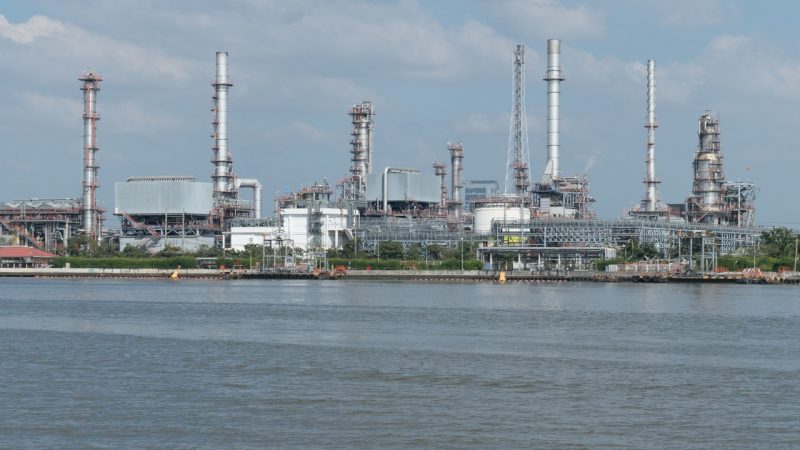
Diesel is now trading above $200 a barrel in both the United States and Europe as the Iran war continues to disrupt global fuel flows. The Strait of Hormuz, the narrow waterway between Iran and Oman that funnels roughly a fifth of the world's petroleum supply to global markets, has been under sustained disruption since the conflict erupted in late February 2026. Before the war, the Middle East exported approximately 900,000 barrels per day of diesel through that corridor.
The stakes extend well beyond the pump. Diesel is the fuel that moves the physical economy—powering the trucks, freight trains, ships, and farm and construction equipment that carry goods from producers to store shelves—making it a direct cost input for food and nearly every shipped product.
The Numbers Behind the Pain
By mid-September 2026, the US national average diesel price had climbed to between $6.06 and $6.31 per gallon, representing a 55% to 78% increase from pre-war levels of around $3.52 to $3.75 per gallon.
Diesel crack spreads—the margin between crude oil and refined diesel prices, and a standard gauge of how scarce finished fuel is relative to crude—have exceeded $100 per barrel for the first time in recorded history. By comparison, crack spreads during the early months of the Russia-Ukraine war in 2022 briefly touched $60 per barrel.
The cumulative financial toll on American consumers has been severe. Since the conflict began, US households and businesses have spent an estimated $100.9 billion more on gasoline and diesel than they would have at pre-war prices, with diesel alone accounting for roughly $46 billion of that total.
A Supply Crisis With Two Fronts
The shortage reflects two simultaneous supply shocks. From March through August 2026, Middle Eastern diesel supply losses averaged approximately 770,000 barrels per day. Over the same period, the shortfall attributable to Russian restrictions averaged roughly 350,000 barrels per day.
Global distillate inventories—the fuel category that covers diesel as well as heating oil—are projected to remain critically low well into 2027. With that little buffer in the system, tanker traffic through the Strait of Hormuz, the trajectory of Russian export restrictions, and monthly distillate inventory readings are the data points to watch as the northern hemisphere approaches the winter heating season.

