Crude Oil Rises as Reports Say the U.S. Attacked Iran; Stocks Fall
Key Takeaways
- •The U.S. struck Iran’s Larak Island, and Iran responded with missile attacks on two U.S. air bases in Jordan.
- •Two tankers carrying Saudi crude were hit near Oman after leaving the Strait of Hormuz, and the crews were reported safe.
- •Iran warned that if it cannot export oil, other Gulf exporters could also be blocked from exporting.
- •Treasury Secretary Scott Bessent said bank sanctions on Iran were likely in the coming weeks.
- •U.S. officials said talks on Venezuela’s transition are expected to resume mid-month, with Chevron expected to expand its operations there.
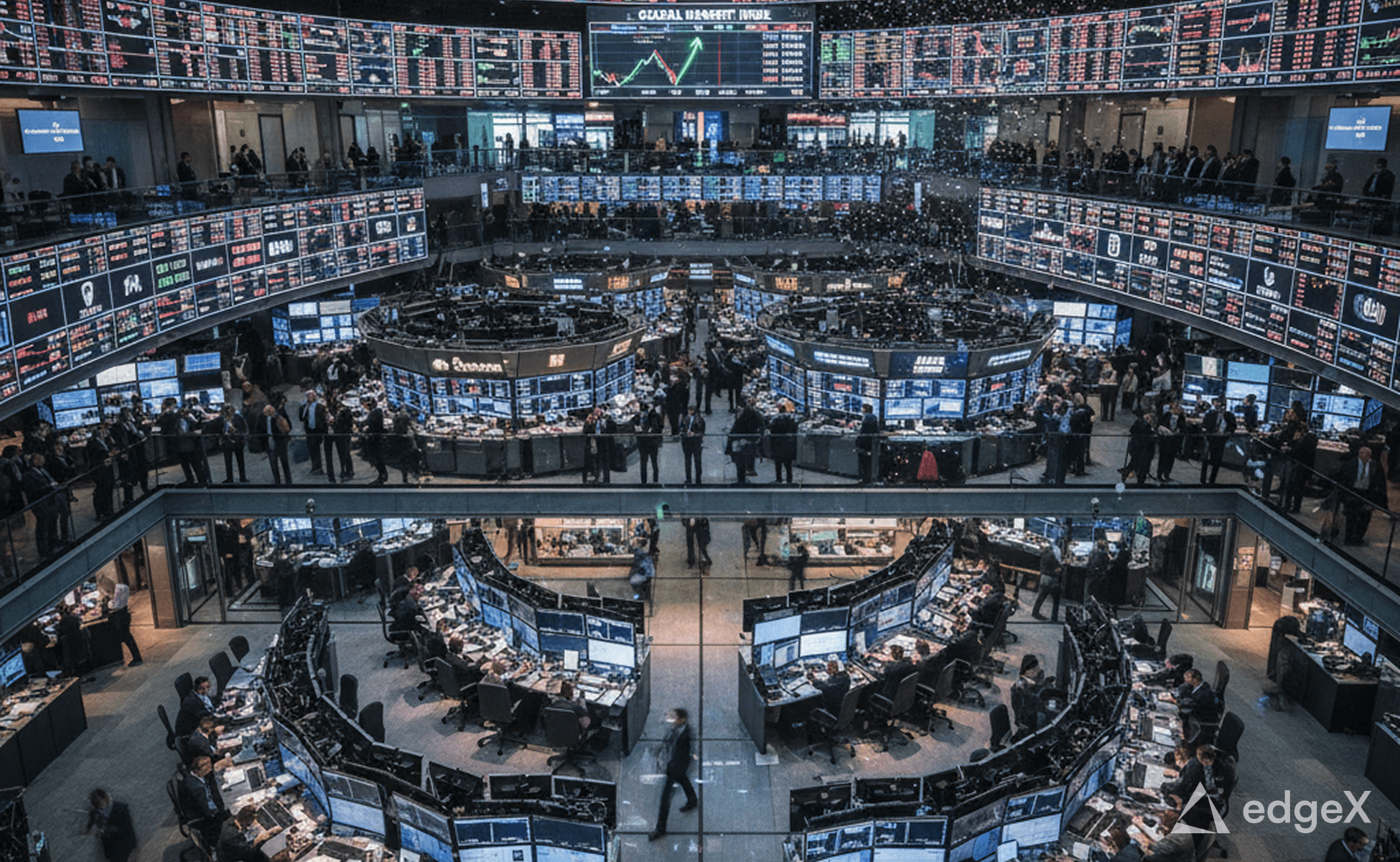
Crude oil is moving higher and stocks are moving lower on reports of an American attack on Iran. Local reports said explosions were heard in Chabahar and Bandar Abbas.
A rundown of the latest tensions shows:
Direct military exchanges resumed: The U.S. struck Iran’s Larak Island on Sunday, August 30. Iran responded with missile attacks against two U.S. air bases in Jordan, marking the first direct exchanges since late July. Trump warned of another response, although he said the situation did not represent a return to full-scale war.
Two tankers carrying Saudi crude were attacked Monday: Shipping intelligence firms reported that the Sidr and Senegal Prosperity were struck by unidentified projectiles near Oman while leaving the Strait of Hormuz. Each vessel was carrying roughly 2 million barrels. Responsibility has not been established, and crews were reported safe. The Strait of Hormuz remains a critical route for Gulf crude and fuel exports, so any disruption there can quickly affect shipping sentiment even before supply is physically reduced.
Iran threatened wider disruption to Gulf oil exports: Parliament Speaker Mohammad Baqer Qalibaf warned that if Iran cannot export its oil, other Gulf exporters would also be prevented from doing so. That raises the risk of the confrontation spreading further into commercial shipping.
Washington is increasing economic pressure: Treasury Secretary Scott Bessent said bank sanctions were likely this week and next. The U.S. is also considering measures against airline leasing companies and businesses linked to Iran’s Revolutionary Guard.
A diplomatic opening remains: Iranian President Masoud Pezeshkian said Tuesday that Tehran would return to the June ceasefire commitments if Washington does the same. However, that remains a conditional offer rather than a new agreement.
Crude oil reached a high of $89.85 and was last trading at $89.72, up close to $4 on the day. The session low was $86.70. Oil is priced globally, so changes in Middle East risk can show up beyond the immediate region and influence broader energy and equity markets.
U.S. stocks also fell. The Nasdaq index was down 106 points, or 0.79%, at 26,167, though it remained above its low of 25,995.53. The Nasdaq 100 was down 328 points, or 1.11%, at 29,127, also above its low of 28,992.25.
Meanwhile, a U.S. official said the next phase of talks on Venezuela’s transition is expected to resume in the middle of the month, along with a continued push for U.S. private-sector investment. Chevron is expected to announce an expansion of its operations in Venezuela, while Energy Secretary Wright is reportedly heading there tonight for agreement signings tomorrow.
For the Trump administration, the argument is that additional Venezuelan supply could help ease pressure from higher oil prices tied to the war in Iran. But U.S. consumers remain exposed to those increases regardless of where their oil comes from. Oil is priced in a global market, so disruptions in the Middle East can still translate into higher prices at American gas stations.
Higher crude prices have been benefiting U.S. domestic producers such as Chevron, giving the administration room to press for investment in countries like Venezuela. Chevron, meanwhile, can say it will invest, but how much remains an open question.
Venezuela is not a quick fix. Much of its crude is heavy or extra-heavy, which requires specialized handling and refining. Expanding production and restoring infrastructure would take substantial investment and time.
The administration is likely pushing Chevron and other U.S. producers to commit capital, but those companies still need confidence that the economics and political conditions justify the investment, especially since those conditions can change overnight. Still, announcements could help Trump signal that he is addressing energy costs while the U.S. bombs Iran. Delivering enough additional oil to meaningfully lower prices, however, remains a longer-term challenge.
