Indian Oil Subsidiary CPCL Plans Expansion of Manali Refinery to 280,000 Bpd
Key Takeaways
- •CPCL intends to raise its Manali refinery capacity from 210,000 barrels per day to 280,000 barrels per day, though no completion timeline has been provided.
- •The decommissioned Cauvery Basin Refinery site will be redeveloped as a petrochemicals complex rather than a conventional refinery, with Indian Oil Corporation holding a 75% stake.
- •India's oil refining investment has increased by 23% over the past five years, driving an anticipated 15% expansion in national refining capacity by 2030 according to the IEA.
- •India's refining sector growth contrasts with parts of Europe, where declining local fuel demand has led to refinery closures and conversions.
- •The shift toward petrochemical production at the Cauvery site aligns with a global industry trend as refiners seek to capture growing demand from packaging, construction, and consumer goods sectors.
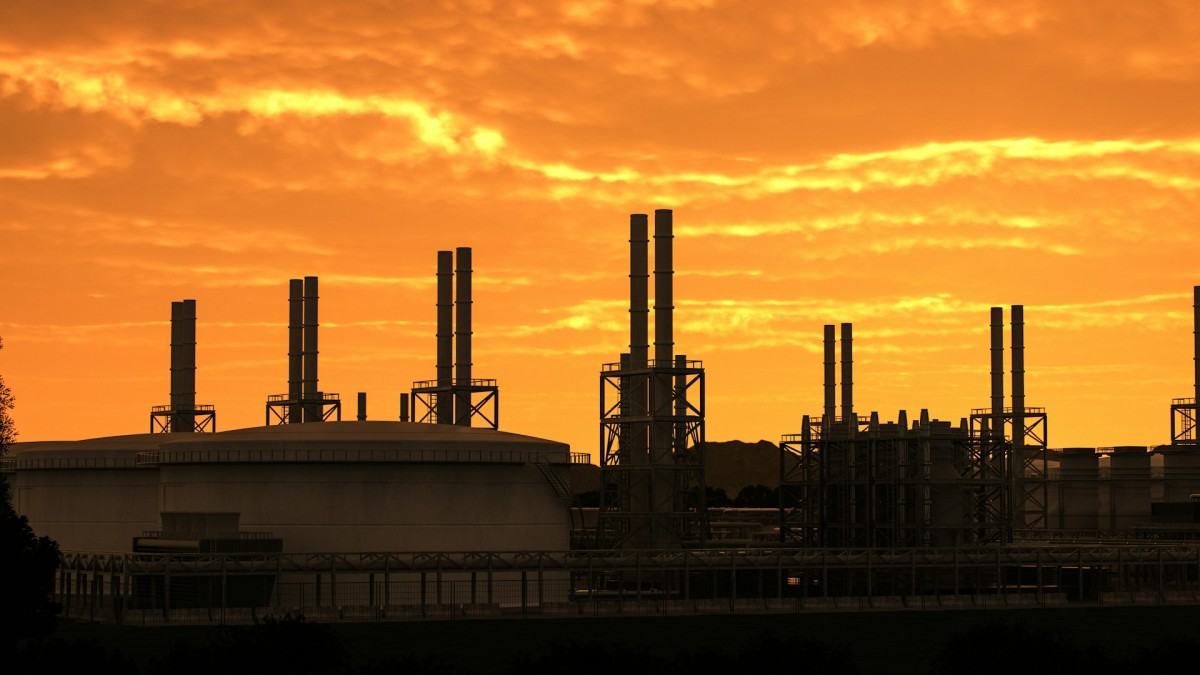
Chennai Petroleum Corporation Limited (CPCL), a subsidiary of India's largest state-controlled refiner Indian Oil Corporation, has announced plans to increase the crude oil refining capacity at its Manali refinery by approximately one-third, raising output from 210,000 barrels per day (bpd) to 280,000 bpd. The company disclosed the plan in its 2025/2026 annual report, though no timeline for the expansion was provided.
The expansion comes as India, the world's third-largest oil consumer, continues to see robust growth in fuel demand driven by economic expansion and rising mobility. The Manali refinery, located in Chennai within the industrial and automotive manufacturing hub of Tamil Nadu, currently produces fuels, lubricants, waxes, and petrochemicals.
CPCL previously operated a second, smaller facility — the Cauvery Basin Refinery (CBR) in Nagapattinam — which was decommissioned in 2019 due to limitations in meeting product specifications with its existing configuration. Chennai Petroleum had initially planned to rebuild the Cauvery Basin Refinery to bring it up to specification, but earlier this year the company shifted the project's focus from a conventional refinery to a petrochemicals complex.
The Cauvery site, located in the southern Indian state of Tamil Nadu, will now be prioritized for petrochemical production. Indian Oil Corporation will hold a 75% stake in the reconfigured project. CPCL stated in its annual report that the Cauvery project will be redesigned to "enhance petrochemical intensity," reflecting surging domestic and global demand for petrochemicals and specialty chemicals. The pivot mirrors a broader industry trend, as refiners worldwide increasingly orient production toward petrochemical feedstocks to capture demand from packaging, construction, and consumer goods sectors.
The expansion plans at CPCL come amid a broader trend of rising investment in India's oil refining sector. According to the International Energy Agency's (IEA) World Energy Investment 2026 report, planned oil refining capacity expansions are set to lead India's energy investments this year and in the coming years, alongside solar installations. India's refining buildout stands in contrast to trends in parts of Europe, where several refineries have faced closure or conversion amid declining local fuel demand.
Over the past five years, India's energy investment has grown by an average of 11%, the IEA reported. Solar PV investment rose by 25% during that period, while investment in oil refining jumped by 23%. Together, these two sectors accounted for one-fourth of India's total energy investment growth.
The surge in refining investment has put India on track for a 15% increase in refining capacity by 2030, according to the IEA.
By Charles Kennedy for Oilprice.com

