Copper Pulls Back Near Record High as Traders Weigh U.S. Rate Outlook; Lithium and Uranium Roundup
Key Takeaways
- •Copper traded above $14,800 per tonne, near record highs, easing on profit-taking and higher U.S. rate expectations following Fed Chair Kevin Warsh's comments.
- •U.S. copper imports exceeded 200,000 tonnes in July, the highest monthly level in at least 12 years, ahead of a potential tariff decision.
- •Lithium carbonate futures have fallen almost 30% from their May high, partly due to the potential restart of CATL's Jianxiawo mine, which accounts for about 4% of global supply.
- •Uranium mining equities fell in July, with seniors down about 7.2% and juniors 6.3%, despite a higher spot price, before rebounding in early August.
- •Utility uranium contracting in the U.S. and Europe remains well below volumes needed to replace annual reactor consumption.
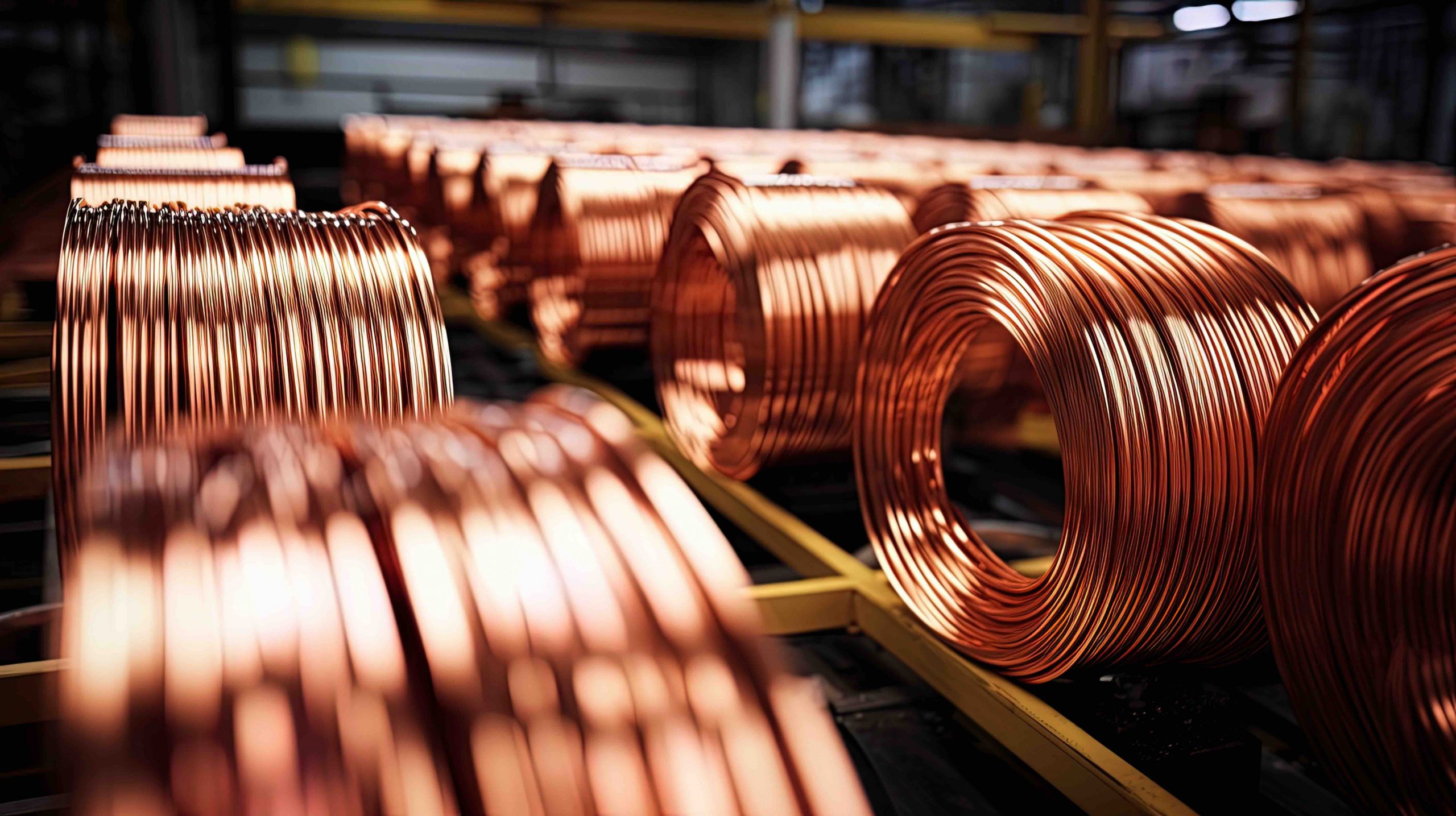
Copper traded above $14,800 per tonne on Monday – equivalent to about $6.72 per lb. – staying close to its record high. The metal eased as traders took profits and reassessed the outlook for U.S. interest rates after Federal Reserve Chair Kevin Warsh's comments on Friday raised expectations of another rate hike. Higher rates typically weigh on commodities by strengthening the dollar and raising financing costs, making rate policy a key variable for a market that has been running hot.
The pullback follows a surge that had been driven by tight physical supply, heavy U.S. imports ahead of possible tariffs, and a sharp squeeze in available LME metal – factors that continue to underpin bullish sentiment despite the softer start to the week. A related distortion of the squeeze has been the wide premium of COMEX futures over LME prices, the spread that traders have been exploiting by shipping metal to the U.S.
Shipments of the red metal into the United States have accelerated in advance of a potential tariff decision from the Trump administration, ING Think commodities strategist Ewa Manthey said in a note this month. COMEX inventories were at a record high, and "copper imports exceeded 200,000 tonnes in July alone – the highest monthly level in at least 12 years," Manthey said. Mine supply growth remains tight, while demand from electrification, power grid investment, and AI infrastructure remains supportive – a combination that has led many analysts to describe copper's long-term outlook as structurally tight even as short-term prices fluctuate.
Lithium
The potential restart of Contemporary Amperex Technology's huge Jianxiawo lithium mine in China has been a factor behind an almost 30% fall in lithium carbonate futures from their May high, Bloomberg reported this month. The mine accounts for about 4% of global lithium supply, meaning a single site's regulatory status can move benchmark prices for a metal central to electric-vehicle batteries.
Lithium demand is nonetheless stronger now than in past cycles, while new supply is expensive to bring online, Chris Berry, founder of consultancy House Mountain Partners, said in a note in August. The market could tighten further if Zimbabwe moves ahead with an export ban on lithium concentrate on Jan. 1, CRU Group analyst Cameron Hughes said in August. Zimbabwe is among Africa's largest lithium producers, so the proposed ban is a key date for the market to watch.
Uranium
Despite a higher uranium spot price, stable long-term pricing, and intact fundamentals, uranium mining equities diverged from the metal in July, with senior miners falling by about 7.2% and juniors declining 6.3%, Sprott Asset Management director of ETF product management Jacob White said in an August report.
Miners rebounded in early August, reflecting renewed investor interest and improved risk sentiment. Meanwhile, utility contracting in the U.S. and Europe remains far below the volumes needed to replace annual reactor consumption – a gap that, historically, has eventually forced utilities back into the long-term market to secure fuel, a dynamic worth watching as nuclear capacity expands globally.
Data source: Trading Economics, MINING.COM
