CNOOC Launches World's First 16MW Floating Wind Turbine at Offshore Oilfield
Key Takeaways
- •CNOOC has launched the Haiyou Anlan, the world's first 16-megawatt tension-leg platform floating wind power platform, which is now supplying electricity to the Lufeng Oilfield via a 4.3-kilometer subsea cable.
- •The platform is installed 136 kilometers from the coast in the Pearl River Mouth Basin of the South China Sea and has been specifically engineered to withstand super typhoon conditions.
- •The facility is projected to generate 54 million kilowatt-hours of electricity annually, saving 15,000 cubic meters of fuel oil and reducing CO2 emissions by 35,000 tons each year.
- •CNOOC has integrated wind power output with energy storage and conventional fuel generation under an 'oil and gas plus new energy' model that other national oil companies are also exploring to lower the carbon intensity of upstream operations.
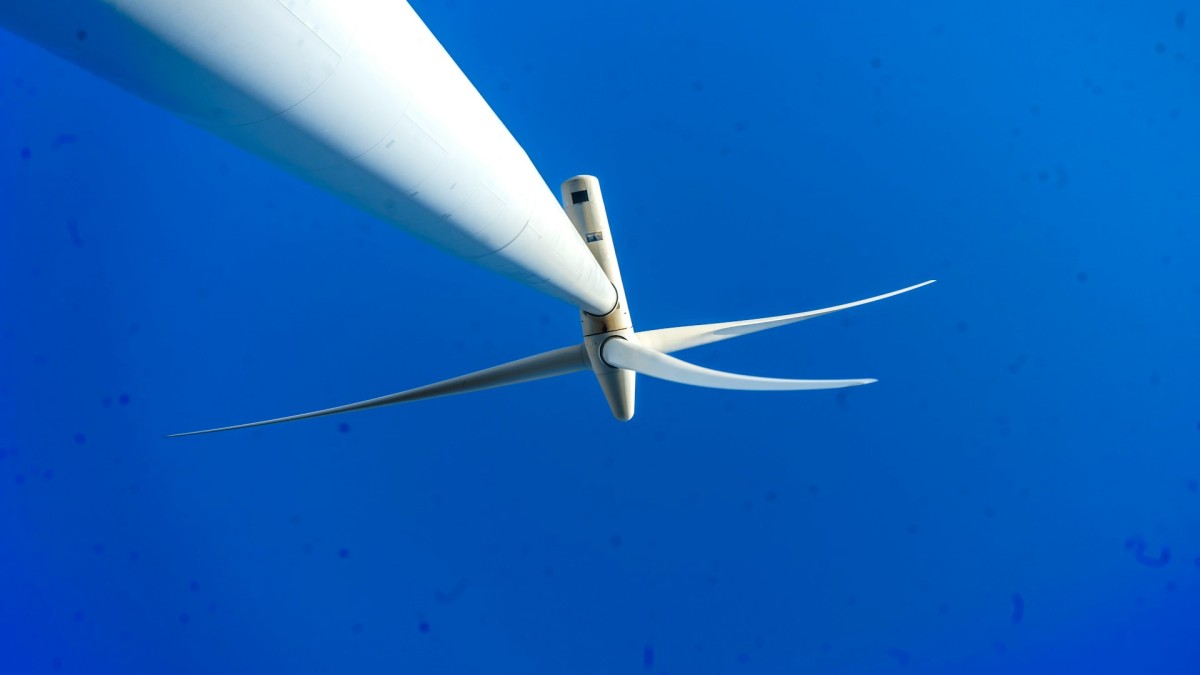
The state-owned China National Offshore Oil Corporation (CNOOC) announced on Thursday the start of operations of the world's first 16-megawatt tension-leg platform (TLP) floating wind power platform, which has begun supplying electricity to an offshore oilfield.
CNOOC, one of China's largest oil producers and a specialist in offshore technology, connected the Haiyou Anlan floating wind power platform to the Lufeng Oilfield grid via a 4.3-kilometer (2.7-mile) subsea cable, the company said in a statement reported by Chinese media.
The TLP-supported platform has been engineered to withstand the extreme wind and weather conditions that a super typhoon could generate, according to the Chinese oil giant — a critical design requirement given that the South China Sea is one of the most typhoon-prone bodies of water in the world.
The new floating wind turbine represents "a major step forward for China's deep-sea floating wind equipment technology, opening a new pathway for the nation's offshore wind power development," Chinese media quoted CNOOC as saying. China already leads the world in installed offshore wind capacity, but the vast majority of its turbines use fixed-bottom foundations in relatively shallow waters.
The platform was installed 136 kilometers (85 miles) from the coast in the Pearl River Mouth Basin, located in the northern part of the South China Sea. It is expected to generate 54 million kilowatt-hours of wind-powered electricity annually, CNOOC said, as reported by Xinhua.
To manage the natural volatility in wind speeds and power generation, CNOOC has integrated the wind power output with energy storage and conventional fuel generation. The company and Chinese media have described this integrated approach as "oil and gas plus new energy" for developing deepwater energy resources — a model that other national oil companies are also exploring as pressure mounts to reduce the carbon intensity of upstream operations.
Floating wind platform technology is widely seen as a potential key to unlocking wind power resources in deep waters, where fixed-bottom wind turbines are not feasible. Floating turbines can also help reduce emissions from fuel combustion at offshore oil and gas platforms — precisely the objective CNOOC has set for its Lufeng Oilfield project.
The Chinese oil and gas giant expects the wind power supply to save 15,000 cubic meters of fuel oil annually and reduce carbon dioxide (CO₂) emissions by 35,000 tons per year.
By Michael Kern for Oilprice.com

